 August 2019 in “Reactions Weekly”
 Daclizumab may cause psoriasis-like skin problems in multiple sclerosis patients.
 78 citations
,
January 2017 in “Skin appendage disorders”
78 citations
,
January 2017 in “Skin appendage disorders” Biotin supplements may improve hair and nail growth in people with certain deficiencies or conditions, but there's not enough evidence to recommend it for healthy individuals.
12 citations
,
May 2015 in “Journal of the National Comprehensive Cancer Network” Doctors should actively prevent and treat skin side effects in cancer patients to keep them on the best medication and reduce discomfort.
 4 citations
,
January 2016 in “Dermatology Review”
4 citations
,
January 2016 in “Dermatology Review” Cancer treatments often cause skin, nail, and hair problems.
 76 citations
,
August 2007 in “Supportive care in cancer”
76 citations
,
August 2007 in “Supportive care in cancer” Chemotherapy often causes skin, nail, and hair side effects, significantly impacting quality of life.
 522 citations
,
January 2001 in “Cancer investigation”
522 citations
,
January 2001 in “Cancer investigation” Doxil is an effective, modified chemotherapy drug with a unique toxicity profile and shows promise in treating certain cancers.
 87 citations
,
December 2016 in “British journal of dermatology/British journal of dermatology, Supplement”
87 citations
,
December 2016 in “British journal of dermatology/British journal of dermatology, Supplement” Cancer patients treated with immune checkpoint inhibitors may develop alopecia, but some hair regrowth is possible with treatment.
 78 citations
,
December 2011 in “Clinical toxicology”
78 citations
,
December 2011 in “Clinical toxicology” Excessive selenium from a supplement caused toxicity but patients recovered with care.
 53 citations
,
May 2001 in “The American journal of the medical sciences”
53 citations
,
May 2001 in “The American journal of the medical sciences” Chemotherapy can cause various skin problems, and recognizing them helps improve patient care.
 38 citations
,
February 2012 in “Supportive Care in Cancer”
38 citations
,
February 2012 in “Supportive Care in Cancer” Skin problems like acne, dry skin, and nail and hair changes are common in patients taking EGFR inhibitors.
 32 citations
,
January 2012 in “International Journal of Dermatology”
32 citations
,
January 2012 in “International Journal of Dermatology” Skin side effects from EGFR inhibitor cancer treatment can be managed effectively, often without stopping the medication.
 26 citations
,
October 2018 in “Clinical & Translational Oncology”
26 citations
,
October 2018 in “Clinical & Translational Oncology” Spanish experts provided guidelines for treating skin side effects in cancer patients on new therapies, stressing early action and teamwork.
 25 citations
,
January 2011 in “Annals of Dermatology”
25 citations
,
January 2011 in “Annals of Dermatology” Erlotinib can cause hair loss as a side effect.
 18 citations
,
July 2008 in “Current Oncology Reports”
18 citations
,
July 2008 in “Current Oncology Reports” EGFR cancer drugs often cause a rash, which can lead to distress and isolation, but may also improve outcomes for some cancer patients. Current treatments for the rash are limited, but a compound called menadione shows promise.
 17 citations
,
January 2010 in “Acta Dermato Venereologica”
17 citations
,
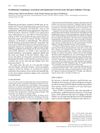
January 2010 in “Acta Dermato Venereologica” EGFR inhibitors can cause yellowish skin eruptions.
 16 citations
,
February 2019 in “Pediatric Blood & Cancer”
16 citations
,
February 2019 in “Pediatric Blood & Cancer” Most children with CNS tumors on targeted therapy had skin reactions, which were generally treatable without stopping the therapy.
12 citations
,
March 2021 in “JAAD Case Reports” Nail changes from immunotherapy can be managed without stopping cancer treatment.
3 citations
,
October 2024 in “Cancers” Skin side effects from melanoma immunotherapy are common and may indicate better survival.
 3 citations
,
July 2017 in “Elsevier eBooks”
3 citations
,
July 2017 in “Elsevier eBooks” Skin reactions are a common reason for emergency visits due to drug allergies, with some severe cases needing intensive care.
 2 citations
,
May 2025 in “Frontiers in Pharmacology”
2 citations
,
May 2025 in “Frontiers in Pharmacology” Aromatase inhibitors can cause skin issues, especially with anastrozole and exemestane, so monitoring is important.
 2 citations
,
October 2016
2 citations
,
October 2016 Chemotherapy and radiotherapy can cause skin side effects like rashes, hair loss, and nail changes, which are usually managed with conservative treatments.
 1 citations
,
January 2015 in “Springer eBooks”
1 citations
,
January 2015 in “Springer eBooks” Chemotherapy can cause skin side effects that affect patients' lives, but they can be managed to avoid interrupting cancer treatment.
 June 2017 in “Journal of evolution of medical and dental sciences”
 About 22% of cancer patients had skin-related side effects from chemotherapy, but these were usually not severe enough to halt treatment.
 13 citations
,
December 2010 in “Annales de Dermatologie et de Vénéréologie”
13 citations
,
December 2010 in “Annales de Dermatologie et de Vénéréologie” The conclusion is that skin, mucous, and eye problems after Stevens-Johnson syndrome and Lyell syndrome significantly affect patients' lives, highlighting the need for comprehensive care and eye check-ups.
86 citations
,
November 2020 in “Annals of Oncology” Early intervention and tailored management can reduce skin side effects from cancer treatments.
11 citations
,
July 2024 in “Cancers” Preventing and managing skin issues from cancer treatment is crucial, especially in high UV areas like Australia and New Zealand.
 April 2026 in “International Journal of Molecular Sciences”
 Wnt signaling is crucial for skin, hair, and nail health and regeneration.
32 citations
,
May 2018 in “Journal of the American Academy of Dermatology” Skin reactions from cancer treatments might predict how well the treatments work.
June 2019 in “Advanced medical journal” Cancer drugs often cause temporary hair, skin, nail, and mouth issues.

New cancer drugs can cause skin side effects like rashes, dry skin, hair changes, and nail problems.