 April 2017 in “Journal of Investigative Dermatology”
 Removing the Crif1 gene in mouse skin disrupts skin balance and hair growth.
 April 2017 in “Journal of Investigative Dermatology”
 Blood cells turned into stem cells can become skin cells similar to normal ones, potentially helping in skin therapies.
 April 2017 in “Journal of Investigative Dermatology”
 Applying pseudoceramide improved skin and hair health.
 April 2017 in “Journal of Investigative Dermatology”
 Deleting the CRIF1 gene in mice disrupts skin and hair formation, certain proteins affect hair growth, a new compound may improve skin and hair health, blood cell-derived stem cells can create skin-like structures, and hair follicle stem cells come from embryonic cells needing specific signals for development.
 September 2016 in “Journal of Dermatological Science”
 A gene mutation worsens skin irritation in mice due to a lack of certain fats.
 August 2016 in “Journal of Investigative Dermatology”
 The enzyme CD73 helps control human hair growth and could be targeted to treat hair growth disorders.
 August 2016 in “Journal of Investigative Dermatology”
 Blocking the CCR5 receptor may be a new way to treat hair loss from alopecia areata.
 August 2016 in “Journal of Investigative Dermatology”
 Human hair follicles have a scent receptor that can influence hair growth.
 January 2016 in “Springer eBooks”
 Understanding drug interactions, side effects, and patient-specific factors is crucial for effective dermatological care.
 December 2014 in “Research and Reviews: Journal of Pharmacology and Toxicological Studies”
 Cabbage extract in hair gel may promote hair growth and could help treat hair loss.
 December 2013 in “Praxis medica”
 Using both DLQI and Skindex-16 together gives a better understanding of quality of life in skin disease patients.
 November 2011 in “APMIS. Acta pathologica, microbiologica et immunologica Scandinavica./APMIS”
 Polyomavirus A2 infection in newborn mice caused hair follicle tumors.

Prunus Tomentosa extract is effective in promoting hair growth, similar to minoxidil.
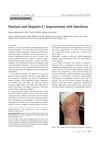 January 2011 in “Annals of dermatology/Annals of Dermatology”
 A woman's psoriasis improved after hepatitis C treatment with interferon, despite interferon's risk of worsening skin conditions.
 February 2010 in “ePrints Soton (University of Southampton)”
 Male sexual differentiation is regulated independently, while female differentiation occurs in an androgenic environment, affecting conditions like congenital adrenal hyperplasia.
 January 2010 in “Elsevier eBooks”
 Hair transplantation is a treatment for hair loss mainly caused by genetics, with various techniques and potential complications, and results visible after 8-12 months.
 November 2009 in “Companion Animal”
 The document suggests that Alopecia X in dogs is mainly a cosmetic issue and might be better left untreated.
 January 2008 in “Springer eBooks”
 Thyroid hormone may be useful for treating various skin conditions and needs more research.
 December 2007 in “CRC Press eBooks”
 Alopecia areata incognita causes widespread hair loss without patches and needs a scalp biopsy for diagnosis.
 October 2006 in “Eclética Química”
 Three methods accurately measure finasteride in tablets using dyes and bromate-bromide.
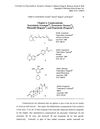
Isotretinoin and tazarotene help treat acne, while minoxidil and finasteride promote hair growth.
 February 2002 in “Dermatologic Surgery”
 A cheap stainless steel container from a retail store can store liquid nitrogen effectively for 8-12 hours, offering a cost-effective alternative to specialized medical containers.
 December 1994 in “The American Journal of Cosmetic Surgery”
 Understanding the scalp's blood flow and using delay techniques can improve the success of hair restoration surgeries.
 October 1987 in “Clinics in Dermatology”
 Scalp reduction can improve hair distribution in certain baldness cases but requires careful patient selection and understanding of facial structure.
 January 1983 in “Journal of The American Academy of Dermatology”
 The document suggests improvements for a hair and scalp disease book and recommends a two-volume skin surgery reference for dermatologists.
 March 1982 in “American pharmacy”
 The document explains how to determine your tax bracket and the effects of income changes on taxes.
 January 1982 in “Clin-Alert”
 Some medications caused temporary health issues that improved after stopping the drugs, but two patients died from liver problems linked to carbamazepine.
 January 1978 in “Clin-Alert”
 A document listed serious side effects from various drugs, including deaths and diseases, emphasizing the importance of being aware of drug side effects.
 May 1948 in “Journal of the American Medical Association”
 The reply suggests checking for false positive or asymptomatic syphilis and using penicillin for treatment if necessary.
 February 1938 in “Journal of the American Medical Association”
 Washing can prevent cancer from lubricating oils, extreme body temperatures need more study, Sulfomid is not recognized, no reliable diphtheria carrier treatment except surgery, eyelid injuries should heal before repair, heterophile antibody test is specific for mononucleosis, chlorine inhalations for colds are outdated, and wheat germ is safe.