 April 2026 in “microPublication”
 Minoxidil might partially activate estrogen receptors, affecting hair growth.
 April 2024 in “Indian journal of ophthalmology. Case reports”
 Using minoxidil for hair loss might rarely cause a vision problem where fluid builds up under the retina.
 16 citations
,
May 2020 in “Frontiers in pharmacology”
16 citations
,
May 2020 in “Frontiers in pharmacology” Minoxidil can stop the growth of ovarian cancer cells without harming the heart.
July 2022 in “British Journal of Dermatology”  30 citations
,
September 2003 in “Experimental Dermatology”
30 citations
,
September 2003 in “Experimental Dermatology” Minoxidil helps prevent stress-caused hair loss in mice.
March 2020 in “International Journal of Research in Medical Sciences” Microneedling with 5% minoxidil works better for hair loss than using 5% minoxidil alone.
 3 citations
,
August 2021 in “Clinics in Dermatology”
3 citations
,
August 2021 in “Clinics in Dermatology” Minoxidil is the main over-the-counter treatment for hair loss, with other options like finasteride, latanoprost, retinoic acid, antioxidants, biotin, nutraceuticals, and platelet-rich plasma therapy also showing promise.
 September 2024 in “Journal of the American Academy of Dermatology”
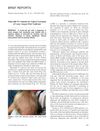
 The compounded topical solution is safe, stable, and effective for personalized alopecia treatment.
 13 citations
,
March 2014 in “Pediatric Dermatology”
13 citations
,
March 2014 in “Pediatric Dermatology” Minoxidil 5% solution significantly improved hair density in a girl with loose anagen hair syndrome over 28 months, with no side effects.
4 citations
,
July 2018 in “International Journal of Research in Dermatology” Topical finasteride with minoxidil is effective for treating hair loss and may reduce the need for oral finasteride.
 May 2025 in “Modern technologies in ophtalmology”
 Minoxidil might rarely increase eye pressure.
 October 2023 in “Journal of Cosmetic Dermatology”
 Using both minoxidil and finasteride together is more effective for hair growth than using either one alone in men with hair loss.

Minoxidil may help with hair regrowth and disease stabilization in scarring alopecia, but side effects vary, needing more research for consistent safety and effectiveness.
 February 2024 in “International Journal of Research in Dermatology”
 Alcohol-free minoxidil 5% is effective and safe for treating male pattern hair loss.
 September 2016 in “Faculty Opinions – Post-Publication Peer Review of the Biomedical Literature”
 Once-daily 5% minoxidil foam increases hair regrowth and density in women with hair loss, but not as effectively as twice-daily 2% minoxidil solution, though it's safer and more convenient.
April 2026 in “International Journal of Dermatology”  August 2016 in “International journal of scientific research”
 Using minoxidil with finasteride in a cream helps maintain hair thickness after stopping oral finasteride.
 May 2026 in “Zenodo (CERN European Organization for Nuclear Research)”
 Minoxidil can help grow facial hair but isn't widely approved for everyone.
 October 2025 in “JEADV Clinical Practice”
 Minoxidil may help hair regrowth in traction alopecia, but changing hair habits is the main treatment.
January 2025 in “International Journal of Dermatology”  4 citations
,
December 2019 in “Dermatologic Therapy”
4 citations
,
December 2019 in “Dermatologic Therapy” Hair enzyme activity predicts minoxidil success in Brazilian women with hair loss.
January 2012 in “Open MIND” Oral minoxidil can cause painful skin bumps and scarring in some people.
 5 citations
,
January 2018 in “Skin appendage disorders”
5 citations
,
January 2018 in “Skin appendage disorders” Minoxidil base is preferred for hair loss treatment, but minoxidil sulfate may be an alternative for unresponsive patients.
 September 2023 in “Archives of Dermatological Research”
 Using minoxidil with microneedling increases hair count for hair loss without serious side effects.
1 citations
,
January 2013 in “PubMed” Adenosine led to higher patient satisfaction than minoxidil for hair loss treatment.
January 2007 in “Strait Pharmaceutical Journal” Water-soluble minoxidil effectively promoted hair growth in mice.
2 citations
,
June 1983 in “Proc., Annu. Meet., Air Pollut. Control Assoc.; (United States)” Ingesting minoxidil can cause severe health issues, requiring urgent medical treatment.
 December 2025 in “Pharmaceuticals”
 Illite can effectively carry minoxidil for hair growth without causing scalp irritation.
 November 2013 in “Journal of Mazandaran University of Medical Sciences”
 Minoxidil with caffeine works better for hair loss than minoxidil alone.