 November 2021 in “Journal of pharmaceutical research international”
 Herbal depilatories are safer and cause fewer side effects than chemical ones for hair removal.
 August 2021 in “Han'gug miyong haghoeji/Journal of the Korean society of cosmetology”
 Using natural polyphenol cross-linkers like tannic acid and green tea extract in perm treatments improves curling and protects hair.
 June 2021 in “Experimental and Therapeutic Medicine”
 MEF/KSF-conditioned medium effectively grows mouse hair follicle stem cells with bone-forming potential.
 March 2021 in “Research Square (Research Square)”
 Strontium ranelate helps cartilage growth by blocking a specific cell pathway.
 January 2021 in “Natural Products Chemistry & Research”
 Combining Datura metel leaf and flower extracts can enhance hair growth without skin irritation.
 January 2020 in “International Journal of Research in Pharmacy and Chemistry”
 A reliable method was created to measure dutasteride and related molecules in capsules.

PlacMA hydrogels from human placenta are versatile and useful for cell culture and tissue engineering.

Human hair keratins can self-assemble and support cell growth, useful for biomedical applications.
 May 2019 in “Asian Journal of Pharmaceutical and Clinical Research”
 Eclipta prostrata, particularly its chloroform fraction, effectively reduces inflammation and arthritis.
 May 2019 in “International journal of advanced chemistry”
 The green cream safely slowed hair growth by 25%.
 January 2019 in “Springer Reference Medizin”
 Follicle Stimulating Hormone is important for fertility.
Sinsun-yukza-hwan extract promotes hair growth in mice.
 April 2018 in “bioRxiv (Cold Spring Harbor Laboratory)”
 A gene variant causes patched hair loss in mice, similar to alopecia areata in humans.

Proretinal nanoparticles are a safe and effective way to deliver retinal to the skin.
Hair fibers degrade and change color in very basic water.
 January 2017 in “Korean Journal of Pharmacognosy”
 Modified red ginseng extract promotes hair growth and has antioxidant and anti-inflammatory effects.
 January 2017 in “Qucosa (Saxon State and University Library Dresden)”
 Plasma protein binding significantly affects glucocorticosteroid concentration in blood, saliva, and hair.
 September 2016 in “International Journal of Herbal Medicine”
 Buxus wallichiana has compounds that support its use in traditional medicine.
 May 2016 in “Research opinions in animal & veterinary sciences”
 Maternal aspartame consumption during pregnancy leads to skin damage and higher apoptosis in newborn rat offspring.
January 2016 in “Journal of chemical and pharmaceutical research” Angiopteris evecta extracts significantly promote hair growth in rabbits.

Tissue from dog stem cells helped grow hair in mice.
The document explains how certain drugs block hormones to treat cancers like breast and prostate cancer.

Keratin hydrogels from human hair show promise for tissue engineering and regenerative medicine.
 December 2013 in “Biomedical and biopharmaceutical research”
 Nanotechnology shows promise for better drug delivery and cancer treatment.
Human scalp hair follicles have PGE2 and its receptors, which might affect hair growth.
 June 2013 in “Revista cubana de plantas medicinales”
 Sida cordifolia is rich in saponins with antioxidant and antifungal properties.
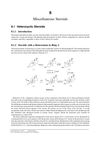
The document concludes that scientists created various steroids with different properties, including a more effective semi-synthetic vitamin D.
 January 2007 in “Sen'i Gakkaishi”
 Mf-rich hair degrades more than Ma-rich hair, especially with Proteinase K.
 January 2006 in “The Journal of Korean Medicine Ophthalmology and Otolaryngology and Dermatology”
 Rubus coreanum may help hair growth but not through the tested mechanisms, and none of the herbal extracts help with acne.
 January 2006 in “Carl von Ossiezky University of Oldenburg”
 Unpigmented keratinocytes absorb substances faster, while melanocytes bind more strongly to melanin.