CCC1 is essential for pH balance and normal cell function in plants.
1 citations
,
June 2014 in “[Thesis]. Manchester, UK: The University of Manchester; 2014.” Chemical modifications can alter hair's stability and flexibility, with hydrophobic interactions helping maintain structure in humid conditions.
 September 2025 in “Journal of Surfactants and Detergents”
 Shampoos with sodium lauroyl methylaminopropionate improve hair lubrication and reduce irritation.
 1 citations
,
December 2016 in “Vìsnik farmacìï”
1 citations
,
December 2016 in “Vìsnik farmacìï” The best gel to treat a type of hair loss has 1% sodium alginate, 1% carbopol, 5% glycerin, 0.2% potassium sorbate, and water.
19 citations
,
January 2020 in “Journal of Biophotonics” A PEG-400/oleic acid mixture best improves drug delivery monitoring through hair follicles.
28 citations
,
January 2016 in “RSC Advances” A non-toxic formula using polycarboxylic acids strengthens and improves hair.
Oregano extract can promote hair growth and has antioxidant benefits without being toxic.
21 citations
,
January 2017 in “MethodsX” Methanol is better than isopropanol for washing grizzly bear hair to measure cortisol.
 January 2025 in “International Journal of Cosmetic Science”
 Citric acid strengthens and improves damaged hair.
 34 citations
,
January 2012 in “Journal of Dermatological Science”
34 citations
,
January 2012 in “Journal of Dermatological Science” Hydrogen peroxide and monoethanolamine in hair dye can cause dermatitis and hair loss.
The new method accurately measures active ingredients in hair nourishment products.
7 citations
,
March 2003 in “Journal de Physique IV (Proceedings)” Calcium soaps are present in human hair and can be removed with acid.
April 2026 in “Zenodo (CERN European Organization for Nuclear Research)” April 2026 in “Zenodo (CERN European Organization for Nuclear Research)”  1 citations
,
June 2020 in “Journal of AOAC INTERNATIONAL”
1 citations
,
June 2020 in “Journal of AOAC INTERNATIONAL” Two new methods accurately measure Aminexil, Pyridoxine, and Niacinamide in hair products.
September 1995 in “PubMed” Ozonized autohaemotherapy improves hair growth in people with hair loss.
 54 citations
,
January 2013 in “Journal of Biological Macromolecules”
54 citations
,
January 2013 in “Journal of Biological Macromolecules” A new method effectively separates keratin-associated proteins and keratin from human hair.
5 citations
,
October 2007 in “PubMed” Amino acids in conditioners improve hair strength, hydration, and color retention.
 June 2024 in “Okayama University Scientific Achievement Repository (Okayama University)”
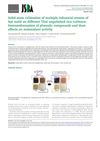
 Koji mold on unpolished Thai-colored rice boosts antioxidant activity more than on other rice types.
 September 2025 in “Голова и шея.”
 Solutions without sodium ions best preserve hair follicle transplants.
164 citations
,
September 2010 in “PLANT PHYSIOLOGY” Nitric oxide helps Solanum nigrum adapt to long-term zinc toxicity by changing root growth and metal balance.
2 citations
,
December 1988 in “PubMed” C.I. Acid Orange 3 caused cancer in female rats but not in male rats or mice.
 March 2014 in “Journal of The American Academy of Dermatology”
 Tavaborole is a safe and effective toenail fungus treatment, with the 5% solution being the best option.
6 citations
,
October 2022 in “Frontiers in Physiology” Calcium channels are vital for normal skin function and their dysfunction can lead to skin issues.
5 citations
,
January 2020 in “Skin Appendage Disorders” The nail strengthener with Pistacia lentiscus and hyaluronic acid improves brittle nails' appearance and strength.
 50 citations
,
May 2019 in “BioFactors”
50 citations
,
May 2019 in “BioFactors” Pollution increases a compound in the skin that can lead to faster aging and more inflammation.
1 citations
,
June 2015 in “Journal of anatomy” A compound named ZCZ90 can increase muscle spindle firing, potentially helping treat muscle spasms and hypertension.
January 2021 in “대한피부과학회지” The solution increased hair density safely and effectively for hair loss.
July 2022 in “International Journal of Contemporary Medicine” Lower Paraoxonase 1 levels in alopecia areata patients suggest antioxidant treatment might help.
January 2012 in “Chinese Clinical Oncology” Disodium folinate can safely and effectively replace calcium folinate in colorectal cancer treatment.