 April 2026 in “Zenodo (CERN European Organization for Nuclear Research)”
 Post-exposure syndromes are persistent conditions caused by past exposures, needing unique interventions.

Trichotillomania involves hair-pulling due to brain and genetic factors, with behavior therapy and new drugs showing promise, but challenges like stigma and underdiagnosis persist.
 417 citations
,
March 1991 in “American Journal of Psychiatry”
417 citations
,
March 1991 in “American Journal of Psychiatry” Most adult chronic hair pullers are women who started in their early teens, often have other mental health issues, and may pull hair due to underlying psychiatric conditions.
 30 citations
,
August 2018 in “Dermatology and Therapy”
30 citations
,
August 2018 in “Dermatology and Therapy” Better-designed, long-term studies are needed to optimize treatment for trichotillomania and trichophagia.

Trichotillomania treatment is improving with new therapies, but challenges like stigma and lack of training remain.
3 citations
,
March 2017 in “Pediatric Dermatology” FOXN1 duplication can cause excessive hair growth.
44 citations
,
May 1980 in “Archives of Dermatology” "20-nail dystrophy" can have multiple causes.
 32 citations
,
April 1994 in “Journal of the American Academy of Dermatology”
32 citations
,
April 1994 in “Journal of the American Academy of Dermatology” High androgen levels and genetic factors likely cause Becker's nevus and related symptoms.
27 citations
,
February 2006 in “International Journal of Dermatology” Some children and young adults with eyebrow and eyelash hair loss actually have a hair-pulling disorder, often with related psychological issues.
 October 2025 in “Indian Dermatology Online Journal”
 Cultural practices can influence trichotillomania, requiring culturally sensitive treatment.
April 2020 in “Journal of the Endocrine Society” The patient with a misplaced pituitary gland and interrupted pituitary stalk is being treated with hormone replacement.
May 2005 in “Hair transplant forum international” Trichotemnomania causes hair loss due to compulsive hair cutting or shaving.
2 citations
,
May 2022 in “International journal of trichology” Plica neuropathica is a tangled hair condition that may be caused by hair damage or psychiatric issues and is treated by cutting the hair and addressing mental health.
September 2024 in “The Journal of Dermatology” Nevus comedonicus can sometimes grow terminal hair, challenging previous beliefs.
20 citations
,
August 2015 in “Behaviour change” Cognitions significantly influence Trichotillomania, suggesting cognitive therapies could help.
August 2025 in “Brazilian Journal of Hair Health” Hair-related body dysmorphic disorder is common in hair loss patients and needs early recognition for proper treatment.
 1 citations
,
January 2013 in “International Journal of Trichology”
1 citations
,
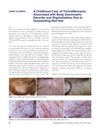
January 2013 in “International Journal of Trichology” A girl with red hair developed hair-pulling and body image disorders after being bullied for her hair color.
 February 2004 in “Dermatologic Surgery”
 Deep Plane Fixation in scalp surgeries allows for more tissue removal with less tension and minimal scarring.
4 citations
,
August 2004 in “The Journal of Dermatology” Healing psoriatic plaques can cause unexpected hair growth.
 1 citations
,
June 2022 in “Ciencia Latina Revista Científica Multidisciplinar”
1 citations
,
June 2022 in “Ciencia Latina Revista Científica Multidisciplinar” Psychiatric issues often appear as skin problems, affecting 30% of dermatology patients.
16 citations
,
November 2024 in “Human Genetics and Genomics Advances” Nociplastic pain is a complex, heritable trait with genetic links to chronic and neuropathic pain.
 June 1995 in “Archives of Dermatology”
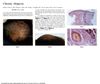
 A woman's hair loss was due to trichotillomania, which is often misdiagnosed and can require different treatments based on age and underlying conditions.
12 citations
,
January 1994 in “Dermatology” The patient's hair had unique damage and a lower sulfur-to-nitrogen ratio compared to relatives, but not compared to healthy controls.

A 14-year-old girl with a condition that makes her hair easy to pull out also has a hair-pulling disorder, and treatment helped but she relapsed after a year.
July 2004 in “DOAJ (DOAJ: Directory of Open Access Journals)” A multidisciplinary approach with controlled exercise, better nutrition, hormone treatment, and psychological care is needed for anorexia nervosa.
6 citations
,
January 2011 in “European Journal of Dermatology” It's important to consider genetic hair disorders when diagnosing hair loss.
 May 2009 in “South African Family Practice”
 The author believes that giving medical conditions official names can sometimes overwhelm or scare patients.
 16 citations
,
May 2003 in “International Journal of Dermatology”
16 citations
,
May 2003 in “International Journal of Dermatology” Trichotillomania, a disorder where people compulsively pull out their own hair, often starts around age 12, is more common in adult females, and can be treated with behavior therapy and medication.
28 citations
,
July 1980 in “British Journal of Dermatology” The hair disorder was caused by abnormal protein formation, making hair easily damaged.
2 citations
,
October 2015 in “The Journal of Dermatology” Early treatment of hair-pulling disorder is crucial to prevent permanent hair loss and scarring.