11 citations
,
November 2019 in “The FASEB Journal” A mutation in the MAP2 gene causes reduced hair follicle density, leading to hairlessness.
SLC24A5 shows a clear selective sweep, but no link to UV radiation intensity.
June 2010 in “Chinese Journal of Dermatology” A new gene mutation is linked to monilethrix in the studied family.
 October 2007 in “Clinical Biochemistry”
 New genotype linked to non-classical congenital adrenal hyperplasia found in Italian siblings.
 1 citations
,
January 2017 in “Evolutionary studies”
1 citations
,
January 2017 in “Evolutionary studies” Different human traits like skin color and hair type vary between populations due to genetic adaptations to the environment.
 October 2024 in “Journal of the Endocrine Society”
 Certain genetic variants reduce enzyme activity, contributing to non-classic congenital adrenal hyperplasia.
5 citations
,
August 2021 in “Experimental dermatology” Overexpressing Merkel cell virus proteins in human hair follicles can create clusters of cells that resemble Merkel cell cancer.
 March 2025 in “American Journal of Medical Genetics Part A”
 A rare genetic variant linked to skin cysts was found in blood DNA, suggesting its role in cyst formation.
 17 citations
,
June 2017 in “Gene”
17 citations
,
June 2017 in “Gene” A rare genetic mutation found in an Indian family can be detected through prenatal screening.
 November 2022 in “Journal of Investigative Dermatology”
 Most Recessive Dystrophic Epidermolysis Bullosa patients with a specific mutation likely have Sephardic ancestry from about 500 years ago.
20 citations
,
August 2003 in “Clinical and Experimental Dermatology” A new genetic mutation in the hairless gene causes a rare hair loss disorder.
 111 citations
,
October 2008 in “Nature Genetics”
111 citations
,
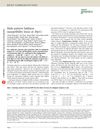
October 2008 in “Nature Genetics” Researchers found a new gene area linked to male-pattern baldness, which, along with another gene, significantly increases the risk of hair loss in men.
 28 citations
,
March 2010 in “British Journal of Dermatology”
28 citations
,
March 2010 in “British Journal of Dermatology” Genetic marker rs12558842 strongly linked to male hair loss.
 196 citations
,
March 2016 in “Nature Communications”
196 citations
,
March 2016 in “Nature Communications” Genetic factors influence hair traits like shape, color, and greying in Latin Americans.
74 citations
,
October 2012 in “The American Journal of Human Genetics” Mutations in the HOXC13 gene cause hair and nail development issues.
June 2020 in “Zenodo (CERN European Organization for Nuclear Research)” The DNMT3B -579G>T polymorphism may increase the risk of colorectal cancer.
11 citations
,
July 2010 in “European Journal of Dermatology” The condition is linked to chromosome 12, but no mutations were found in the known genes.
January 2026 in “International Journal of Molecular Sciences” Eyebrow follicles are best for accurate genetic testing after stem cell transplants.
1 citations
,
April 2024 in “Animal Genetics” A genetic defect in an Appenzeller Mountain Dog caused skin issues, improved with ketoconazole, showing the importance of advanced genetic testing.
8 citations
,
April 1997 in “Experimental Dermatology” hHbl gene is active in hair shaft cells and some pilomatricomas.
51 citations
,
December 2006 in “Mammalian Genome” 2 citations
,
April 2008 in “PubMed” A gene mutation causes monilethrix in a Chinese family.
Hairlessness in mammals is due to complex genetic changes in both genes and regulatory regions.
7 citations
,
February 2011 in “Journal of dermatology” The 736T>A mutation in the LIPH gene is common in Japanese people with autosomal recessive woolly hair.
126 citations
,
October 1998 in “Experimental Dermatology” The hr gene is crucial for skin and hair health, with mutations causing hair disorders.
The naked mutation in mice causes hair loss and helps identify keratin genes.
19 citations
,
July 2020 in “EBioMedicine” A gene variant increases the risk of a type of hair loss by affecting hair protein production.
1 citations
,
July 2007 in “Journal of Investigative Dermatology” The mutation causes hairless mice due to mislocalized and dysfunctional HR protein.
August 2024 in “Clinical & experimental pathology” Forensic DNA phenotyping can now predict more physical traits and ancestry from DNA, but further improvements are needed.