 6 citations
,
May 2020 in “Pharmacology Research & Perspectives”
6 citations
,
May 2020 in “Pharmacology Research & Perspectives” A new gel form of minoxidil is equally effective for hair growth and safer for the heart and other organs than the traditional solution.
 34 citations
,
September 1985 in “Contact Dermatitis”
34 citations
,
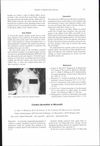
September 1985 in “Contact Dermatitis” Minoxidil can cause skin irritation like eczema and rash in some users.
January 2011 in “Dialnet (Universidad de la Rioja)” The spray makes hair styling easier and less greasy, improving minoxidil use.
 October 2019 in “DOAJ (DOAJ: Directory of Open Access Journals)”
 Minoxidil nanoparticles improve hair growth more effectively than regular minoxidil.
34 citations
,
April 1982 in “BMJ”  11 citations
,
April 2009 in “Pharmacotherapy”
11 citations
,
April 2009 in “Pharmacotherapy” Minoxidil can cause deadly skin reaction; monitor patients closely.
11 citations
,
December 2011 in “PubMed” 5% minoxidil solution effectively treats hair loss in men and women.
July 2021 in “Journal of reports in pharmaceutical sciences” The 2% minoxidil nanosuspension is as effective as the commercial product but safer and easier to use.
July 2026 in “Journal of the American Academy of Dermatology”  2 citations
,
January 2009 in “Journal of Drug Delivery Science and Technology”
2 citations
,
January 2009 in “Journal of Drug Delivery Science and Technology” Minoxidil in distearyldimethylammonium chloride vesicles significantly promotes hair growth, while minoxidil in microparticles or poloxamer solutions doesn't.
 101 citations
,
March 1987 in “Journal of The American Academy of Dermatology”
101 citations
,
March 1987 in “Journal of The American Academy of Dermatology” Minoxidil solution helps hair regrowth in alopecia areata, with 5% being more effective.
3 citations
,
January 1987 in “Archives of Dermatology” Most dermatologists prescribed topical minoxidil for hair loss, with few reporting complications.
 85 citations
,
January 2007 in “Journal of Drug Targeting”
85 citations
,
January 2007 in “Journal of Drug Targeting” Liposomes better deliver minoxidil for hair loss treatment than niosomes.
 2 citations
,
October 2020 in “Más dermatología”
2 citations
,
October 2020 in “Más dermatología” Choose between topical and oral minoxidil for hair growth based on personal tolerance and side effects.
 June 2026 in “Zenodo (CERN European Organization for Nuclear Research)”
 Educational efforts are needed to improve safe and effective minoxidil use.
 June 2026 in “Zenodo (CERN European Organization for Nuclear Research)”
 Educational efforts are needed to improve safe and effective minoxidil use.
 November 2024 in “RECIMA21 - Revista Científica Multidisciplinar - ISSN 2675-6218”
 Minoxidil is a safe and effective hair loss treatment, with pharmacists enhancing its benefits.
 25 citations
,
November 1987 in “British Journal of Dermatology”
25 citations
,
November 1987 in “British Journal of Dermatology” Minoxidil didn't increase scalp blood flow for hair growth, but hexyl nicotinate did.
November 1981 in “InPharma” Topical minoxidil can help regrow hair.
 August 2018 in “Reactions Weekly”
 A woman had an allergic skin reaction to a hair loss treatment called minoxidil.
2 citations
,
March 1989 in “International Journal of Dermatology” 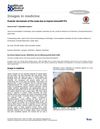 3 citations
,
January 2018
3 citations
,
January 2018 A woman had an unusual allergic reaction to a hair loss treatment, which cleared up after stopping the treatment and using a different medication.
December 2009 in “Digital Library of Theses and Dissertations (Universidade de São Paulo)” Iontophoresis and chitosan microparticles improve minoxidil delivery for hair loss treatment.
4 citations
,
January 2009 in “International journal of trichology” Minoxidil topical foam is a better, less irritating treatment for hair loss.
 7 citations
,
January 1987 in “Archives of Dermatology”
7 citations
,
January 1987 in “Archives of Dermatology” Most people using minoxidil for hair loss probably won't see significant improvement.
July 2026 in “Anais Brasileiros de Dermatologia” Nanominoxidil shows promise for hair growth but needs more clinical trials to confirm its effectiveness and safety.
 January 2014 in “Anales Médicos de la Asociación Médica del Centro Médico ABC”
 The treatment effectively promoted hair growth with minimal side effects.
5 citations
,
February 1985 in “Archives of Dermatology” Topical minoxidil can help regrow hair in some people.
2 citations
,
May 1989 in “JAMA” Minoxidil can help hair growth but may not always look cosmetically good.

Topical minoxidil often causes side effects like scalp irritation, but most users continue treatment.