 10 citations
,
May 2019 in “Seminars in Cell & Developmental Biology”
10 citations
,
May 2019 in “Seminars in Cell & Developmental Biology” Understanding and manipulating epigenetic changes can potentially lead to human organ regeneration therapies, but more research is needed to improve these methods and minimize risks.
 759 citations
,
February 2009 in “Current Biology”
759 citations
,
February 2009 in “Current Biology” Hair follicles are complex, dynamic mini-organs that help us understand cell growth, death, migration, and differentiation, as well as tissue regeneration and tumor biology.
 51 citations
,
October 2002 in “British Journal of Dermatology”
51 citations
,
October 2002 in “British Journal of Dermatology” Finasteride increases hair density in female androgenetic alopecia, but individual results may vary.
 165 citations
,
June 2007 in “European Journal of Cell Biology”
165 citations
,
June 2007 in “European Journal of Cell Biology” Hair follicle stem cells are key for hair and skin regeneration, can be reprogrammed, and have potential therapeutic uses, but also carry a risk of cancer.
 75 citations
,
January 2009 in “International journal of trichology”
75 citations
,
January 2009 in “International journal of trichology” Hair grays due to oxidative stress and fewer functioning melanocytes.
 10 citations
,
July 2021 in “Archiv für Pathologische Anatomie und Physiologie und für Klinische Medicin”
10 citations
,
July 2021 in “Archiv für Pathologische Anatomie und Physiologie und für Klinische Medicin” LRIG1 is linked to better survival in Merkel cell carcinoma.
 6 citations
,
January 2009 in “Elsevier eBooks”
6 citations
,
January 2009 in “Elsevier eBooks” The skin has multiple layers and cells, serves as a protective barrier, helps regulate temperature, enables sensation, affects appearance, and is involved in vitamin D synthesis.
 17 citations
,
April 2023 in “Aging”
17 citations
,
April 2023 in “Aging” CNGA3, GLUD1, and SIRT1 are promising targets for treating aging and glioblastoma.
 10 citations
,
November 2010 in “Pigment Cell & Melanoma Research”
10 citations
,
November 2010 in “Pigment Cell & Melanoma Research” Only skin melanocytes, not other types, can color hair in mice.
 1 citations
,
November 2025 in “International Journal of Clinical Pharmacy”
1 citations
,
November 2025 in “International Journal of Clinical Pharmacy” Cladribine has known risks and potential new safety concerns, requiring careful monitoring.
 47 citations
,
March 2016 in “Journal of dermatology”
47 citations
,
March 2016 in “Journal of dermatology” Understanding the genetics of rare inherited ichthyosis syndromes is key for better treatments and genetic counseling.
 13 citations
,
June 2016 in “Asian Pacific Journal of Cancer Prevention”
13 citations
,
June 2016 in “Asian Pacific Journal of Cancer Prevention” Cured meats in Nigeria have high cadmium levels, posing health risks.
 3 citations
,
November 2023 in “Frontiers in cell and developmental biology”
3 citations
,
November 2023 in “Frontiers in cell and developmental biology” Melanocytes are important for skin and hair color and protect the skin from UV damage.
 111 citations
,
January 2007 in “Seminars in cell & developmental biology”
111 citations
,
January 2007 in “Seminars in cell & developmental biology” Hair, teeth, and mammary glands develop similarly at first but use different genes later.
 57 citations
,
March 2019 in “Immunity”
57 citations
,
March 2019 in “Immunity” The document concludes that the skin's immune system is complex, involving interactions with hair follicles, nerves, and microbes, and can protect or cause disease, offering targets for new treatments.
 12 citations
,
February 2013 in “The Open Stem Cell Journal”
12 citations
,
February 2013 in “The Open Stem Cell Journal” DPSCs and SHED have great potential for medical treatments and tissue repair.
 9 citations
,
January 2021 in “International Journal of Medical Sciences”
9 citations
,
January 2021 in “International Journal of Medical Sciences” Sox10 is important for hair follicle development and hair growth cycles.
 9 citations
,
January 2010 in “Journal of the Korean Association of Oral and Maxillofacial Surgeons”
9 citations
,
January 2010 in “Journal of the Korean Association of Oral and Maxillofacial Surgeons” Root apical papilla cells from wisdom teeth are best for bone therapies.
 7 citations
,
October 1985 in “Genetics Research”
7 citations
,
October 1985 in “Genetics Research” Beige and leaden pigment genes act within melanocytes, affecting pigment patterns.
 3 citations
,
June 2017 in “International Journal of Radiation Biology”
3 citations
,
June 2017 in “International Journal of Radiation Biology” Gamma rays did not change hair follicle density but increased white and hypopigmented hairs in mice.
 2 citations
,
January 2002
2 citations
,
January 2002 Melanin and melanocytes contribute to the brown pigmentation in stasis dermatitis.
 December 2025 in “Italian Journal of Anatomy and Embryology”
 Understanding embryologic layers improves skin disorder diagnosis and supports developing targeted therapies.
 February 2023 in “Mağallaẗ Tikrīt li-l-ʻulūm al-ṣirfaẗ/Tikrit journal of pure science”
 Horse skin has a layered epidermis, a dermis with hair follicles, sweat and sebaceous glands, and is supplied by small arteries.
 May 2021 in “GSC Advanced Research and Reviews”
 Hair color is influenced by genetics and can indicate certain health conditions.
Hormonal treatments can help with hair loss, acne, and excess hair growth, but it takes 3-6 months to see results and patients should know the possible side effects.
 January 2012 in “heiDOK (Heidelberg University)”
 Dormant melanoma cells in mice interact minimally with memory T cells due to a suppressive tumor environment.
 June 2006 in “British Journal of Dermatology”
 The document reports unique growth lines in a child after Stevens-Johnson syndrome, skin reaction from parsnips and sun in a girl, and itchy skin with xanthomas in a boy with Alagille syndrome.
 30 citations
,
April 2013 in “Journal of Investigative Dermatology”
30 citations
,
April 2013 in “Journal of Investigative Dermatology” Radiation mainly affects keratinocyte stem cells, not melanocyte stem cells, causing hair to gray.
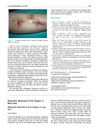 November 2012 in “Actas Dermo-Sifiliográficas”
 An 86-year-old man had a rare tongue melanoma but refused treatment, showing the need for early cancer detection and treatment.
 35 citations
,
January 2014 in “BioMed Research International”
35 citations
,
January 2014 in “BioMed Research International” Female pattern hair loss involves hormonal factors, genetics, and may be linked to low ferritin levels.