 1 citations
,
July 2023 in “Journal of visualized experiments”
1 citations
,
July 2023 in “Journal of visualized experiments” The new method makes it easier to study the whole cochlea from newborn mice and rats in the lab.
71 citations
,
January 2012 in “PloS one” The conclusion is that genetic differences affect how the cochlea heals after hair cell loss, which may challenge the creation of hearing loss treatments.
 March 2023 in “Pediatrics & neonatology”
 A baby girl had two brain-related growths removed and is developing normally.
 September 2016 in “Journal of Dermatological Science”
 A specific mutation known for causing cancer is also found to cause a skin condition in a young girl.
14 citations
,
March 2015 in “Stem Cell Research & Therapy” ABCG2 protein marks stem-like skin cells in human epidermis.
 19 citations
,
January 2014 in “International Journal of Medical Sciences”
19 citations
,
January 2014 in “International Journal of Medical Sciences” Abnormal activation of hair follicle stem cells and Wnt/β-catenin signaling contributes to sebaceous neoplasms.
26 citations
,
May 2011 in “Tissue Engineering Part A” Hydrogel surface properties affect mouse embryoid body differentiation.
January 2009 in “China Practical Medicine” Certain genes help dermal papillae cells in hair follicles grow and group together.
1 citations
,
February 2012 in “InTech eBooks” CK7 and CK20 help identify and classify tumors for accurate cancer diagnosis.
150 citations
,
June 1999 in “Oncogene”  26 citations
,
January 2019 in “Experimental Dermatology”
26 citations
,
January 2019 in “Experimental Dermatology” Researchers created early-stage hair-like structures from skin cells, showing how these cells can self-organize, but more is needed for complete hair growth.
 July 2016 in “The journal of investigative dermatology/Journal of investigative dermatology”
 Scientists created a new 3D skin model from cells of plucked hairs that works like real skin and is easier to get.
3 citations
,
December 2003 in “Archives of Pathology & Laboratory Medicine” The nodule was a benign cutaneous lymphadenoma, not cancer, and was successfully removed.
25 citations
,
October 2005 in “PubMed” Keratin 19 expression in certain skin cells is temporary and not a reliable stem cell marker.
112 citations
,
August 1984 in “Journal of Investigative Dermatology” 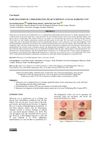 March 2022 in “Folia Medica Indonesiana”
 The lump on a woman's scalp was a rare, potentially cancerous tumor from the hair follicle, not a common cyst.
January 2006 in “中华医学杂志:英文版” Cultured skin cells can trigger hair growth and the amount of certain proteins they produce affects their ability to regenerate hair follicles.
January 1999 in “Praxis sociológica” Melanocyte stem cells can become melanoma, resembling human melanoma.
226 citations
,
August 2006 in “Molecular and Cellular Biology” EGF signaling affects gene expression in skin cells, influencing hair growth and potentially cancer.
103 citations
,
December 1986 in “Journal of Investigative Dermatology” 146 citations
,
February 2012 in “Journal of Clinical Investigation” Blocking Hedgehog signaling offers new treatment options for advanced basal cell carcinoma.
April 2016 in “The journal of investigative dermatology/Journal of investigative dermatology” Neoplasms hide in hair follicles to avoid the immune system.

Understanding hair follicle signaling can improve hair disorder treatments.
 17 citations
,
December 2001 in “Journal of Investigative Dermatology”
17 citations
,
December 2001 in “Journal of Investigative Dermatology” The osteopontin gene is active in a specific part of rat hair follicles during a certain hair growth phase and might affect hair cycle and diseases.
 96 citations
,
April 2007 in “Journal of Investigative Dermatology”
96 citations
,
April 2007 in “Journal of Investigative Dermatology” Grafted rodent and human cells can regenerate hair follicles, but efficiency decreases with age.
 85 citations
,
December 2017 in “Developmental Biology”
85 citations
,
December 2017 in “Developmental Biology” Mammals might fail to regenerate not because they lack the right cells, but because of how cells respond to their surroundings, and changing this environment could enhance regeneration.
221 citations
,
June 1999 in “In Vitro Cellular & Developmental Biology - Animal” 10 citations
,
February 2012 in “Journal of Clinical Investigation” Advancements in skin and hair biology improve dermatology care and cosmetic treatments.
 13 citations
,
August 2002 in “Dermatologic Surgery”
13 citations
,
August 2002 in “Dermatologic Surgery” FUE is a less invasive hair transplant method suitable for many patients, but it has limitations and may not replace traditional techniques.
30 citations
,
July 1993 in “Journal of Investigative Dermatology”