 64 citations
,
June 1992 in “International Journal of Dermatology”
64 citations
,
June 1992 in “International Journal of Dermatology” Pregnancy often causes skin changes like darkening, stretch marks, and hair growth, which may improve after childbirth.
 59 citations
,
February 2021 in “BMJ”
59 citations
,
February 2021 in “BMJ” High doses of cyproterone acetate increase the risk of brain tumors in women, but the risk decreases after stopping the medication.
 51 citations
,
October 2002 in “British Journal of Dermatology”
51 citations
,
October 2002 in “British Journal of Dermatology” Finasteride increases hair density in female androgenetic alopecia, but individual results may vary.
 48 citations
,
September 2009 in “Dermato-endocrinology”
48 citations
,
September 2009 in “Dermato-endocrinology” Anorexia nervosa can cause skin problems, which may help with early diagnosis and usually improve with treatment.
 47 citations
,
May 2002 in “Journal of Cutaneous Medicine and Surgery”
47 citations
,
May 2002 in “Journal of Cutaneous Medicine and Surgery” Pregnancy can cause normal skin changes that usually go away after childbirth and don't need treatment.
 46 citations
,
October 2009 in “Archives of Dermatology”
46 citations
,
October 2009 in “Archives of Dermatology” Loose anagen hair syndrome, often affecting young girls, can be diagnosed with a hair-pull test and usually gets better on its own, but severe cases may need treatment.
 46 citations
,
July 1988 in “Journal of The American Academy of Dermatology”
46 citations
,
July 1988 in “Journal of The American Academy of Dermatology” Hormone imbalances can cause specific skin changes, which may help in early detection of endocrine disorders.
 44 citations
,
April 2017 in “Genes & development”
44 citations
,
April 2017 in “Genes & development” Scientists found cells in hair that are key for growth and color.
 44 citations
,
August 2010 in “Journal of Investigative Dermatology”
44 citations
,
August 2010 in “Journal of Investigative Dermatology” Alopecia areata seriously lowers quality of life, especially affecting self-image, mental health, and social life.
 41 citations
,
October 2017 in “International Journal of Women's Dermatology”
41 citations
,
October 2017 in “International Journal of Women's Dermatology” Most pregnant women experience skin darkening and hair changes, with these effects usually going away after giving birth.
 40 citations
,
January 2010 in “International Journal of Trichology”
40 citations
,
January 2010 in “International Journal of Trichology” Loose Anagen Syndrome is a hair condition where hairs can be easily pulled out, mainly affecting young girls, and may improve on its own or with treatment.
 38 citations
,
January 2014 in “International Journal of Endocrinology”
38 citations
,
January 2014 in “International Journal of Endocrinology” Adrenal disorders can cause lasting brain and behavior issues in children.
 34 citations
,
July 2011 in “Journal of the European Academy of Dermatology and Venereology”
34 citations
,
July 2011 in “Journal of the European Academy of Dermatology and Venereology” The study concluded that scalp tumors show different patterns based on age, gender, and tumor thickness, and emphasized the importance of early detection and scalp examinations.
 33 citations
,
April 2002 in “Journal of Cutaneous Medicine and Surgery”
33 citations
,
April 2002 in “Journal of Cutaneous Medicine and Surgery” Eating disorders can cause skin problems that need treating the underlying condition for better health.
 28 citations
,
January 2015 in “Skin appendage disorders”
28 citations
,
January 2015 in “Skin appendage disorders” Children with trichotillomania often pull hair from their scalp, and parents may not notice; stress can trigger it, and asking detailed questions helps in diagnosis and treatment.
 28 citations
,
July 2002 in “Dermatologic Surgery”
28 citations
,
July 2002 in “Dermatologic Surgery” Understanding scalp anatomy is crucial for successful and safe scalp surgery.
 27 citations
,
July 2017 in “European Journal of Dermatology”
27 citations
,
July 2017 in “European Journal of Dermatology” Certain microRNAs are linked to various skin diseases and could be used to diagnose and treat these conditions.
 27 citations
,
December 2016 in “Dermatology and Therapy”
27 citations
,
December 2016 in “Dermatology and Therapy” Certain skin conditions can indicate insulin resistance and should prompt lifestyle changes and medical treatment to manage underlying health issues.
 26 citations
,
June 2012 in “The Journal of Obstetrics and Gynecology of India”
26 citations
,
June 2012 in “The Journal of Obstetrics and Gynecology of India” Most skin changes during pregnancy are harmless and temporary, but some can risk the fetus and need careful treatment.
 25 citations
,
March 2019 in “Dermatologic therapy”
25 citations
,
March 2019 in “Dermatologic therapy” Intralesional therapy for keratoacanthoma is effective and has fewer side effects than systemic treatments.
 25 citations
,
November 2018 in “Cell reports”
25 citations
,
November 2018 in “Cell reports” The study concluded that specific proteins are necessary to maintain the structure that holds epithelial cells tightly together.
 25 citations
,
July 2008 in “British Journal of Dermatology”
25 citations
,
July 2008 in “British Journal of Dermatology” CD10 and CD34 levels change during hair development and different hair growth stages, which could be important for hair regeneration treatments.
 24 citations
,
June 2011 in “International Journal of Dermatology”
24 citations
,
June 2011 in “International Journal of Dermatology” Most pregnant women experience skin changes like darkening and itching, while serious skin conditions are rare but need early treatment.
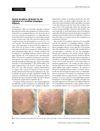 22 citations
,
September 2004 in “Journal of The European Academy of Dermatology and Venereology”
22 citations
,
September 2004 in “Journal of The European Academy of Dermatology and Venereology” Bimatoprost can cause longer, thicker, darker eyelashes and eyebrows.
 21 citations
,
June 2020 in “Dermatologic Therapy”
21 citations
,
June 2020 in “Dermatologic Therapy” The COVID-19 pandemic led to fewer dermatology visits and changed the types of skin conditions patients experienced.
 21 citations
,
June 2004 in “International Journal of Dermatology”
21 citations
,
June 2004 in “International Journal of Dermatology” Most skin diseases in Hajjah, Yemen, were dermatitis, infections, and acne, influenced by local socioeconomic and environmental factors.
 18 citations
,
January 2020 in “Journal of Clinical Research in Pediatric Endocrinology”
18 citations
,
January 2020 in “Journal of Clinical Research in Pediatric Endocrinology” The document concludes that Functional Hypothalamic Amenorrhea should be carefully diagnosed and managed to prevent health complications, using lifestyle changes and specific medications.
 16 citations
,
January 2010 in “American Journal of Neuroradiology”
16 citations
,
January 2010 in “American Journal of Neuroradiology” Specific brain and bone imaging findings can help diagnose Trichothiodystrophy.
 16 citations
,
February 2019 in “Pediatric Blood & Cancer”
16 citations
,
February 2019 in “Pediatric Blood & Cancer” Most children with CNS tumors on targeted therapy had skin reactions, which were generally treatable without stopping the therapy.
 15 citations
,
September 2014 in “Journal of The American Academy of Dermatology”
15 citations
,
September 2014 in “Journal of The American Academy of Dermatology” Seven patients were misdiagnosed with discoid lupus instead of lichen planopilaris due to similar symptoms, showing the need for careful diagnosis in scarring hair loss conditions.