 December 2018 in “IntechOpen eBooks”
 Neurohormones help control skin health and could treat skin disorders.
 1 citations
,
April 2020 in “medRxiv (Cold Spring Harbor Laboratory)”
1 citations
,
April 2020 in “medRxiv (Cold Spring Harbor Laboratory)” The study found that Tourette Syndrome may be linked to certain immune system processes and synaptic signaling.
November 2007 in “Science” Keratin-based hydrogels from human hair help nerve repair better than traditional methods.
October 2020 in “Faculty Opinions – Post-Publication Peer Review of the Biomedical Literature” Stem cell niche exit in C. elegans is influenced by Sh1 cell membrane protrusions.
 15 citations
,
April 2017 in “Cell Stem Cell”
15 citations
,
April 2017 in “Cell Stem Cell” Some brain cancer cells avoid immune system detection, and certain treatments could target this to slow their growth; also, certain fat cell precursors help regenerate hair and skin after injury.
 238 citations
,
February 2007 in “Journal of Neuroscience”
238 citations
,
February 2007 in “Journal of Neuroscience” Ovarian and stress hormones can change GABA A receptors through neurosteroids.
29 citations
,
October 2009 in “Pharmacology Biochemistry and Behavior”  November 2025 in “Frontiers in Immunology”
 Stem cell activity influences autoimmune disease outcomes by affecting immune responses and tissue regeneration.
Moles may stop growing due to cell cooperation, not just because of individual cell aging.
Keratinocytes can reduce the survival of certain melanoma cells, suggesting new therapy paths.
Neurotrophins may contribute to genetic hair thinning by inhibiting hair growth.
November 2024 in “Journal of Investigative Dermatology” Skin and hair cells release serotonin and histamine naturally, which could help improve skin health.
5 citations
,
December 2016 in “Microscopy Research and Technique” EPI-NCSCs from hair follicles may help treat brain development issues in mice.
 17 citations
,
April 2023 in “Aging”
17 citations
,
April 2023 in “Aging” CNGA3, GLUD1, and SIRT1 are promising targets for treating aging and glioblastoma.

Hair follicle stem cells are crucial for touch sensation and proper nerve structure in mice.
December 2022 in “Stem Cells and Development” Exosomes from stem cells help improve nerve repair in rats.
3 citations
,
October 2021 in “Neuroscience Letters” 26 citations
,
July 2023 in “International Journal of Nanomedicine” The microneedle system shows promise for non-invasive brain drug delivery.
8 citations
,
April 2017 in “Journal of The Royal Society Interface” Giant axonal neuropathy changes the structure of keratin in human hair.
10 citations
,
September 2024 in “Neural Regeneration Research” Stem cells improve nerve repair by enhancing blood vessel growth.
1 citations
,
April 2011 in “The FASEB Journal” Progesterone-derived neurosteroids affect GABA-A receptor expression, influencing epilepsy during menstrual cycles.
October 2007 in “European Neuropsychopharmacology” 
Keratin gel may help repair damaged nerves.
21 citations
,
September 2008 in “Brain Research” Neurosteroids in the brain can increase or decrease seizure risk in mice.
 115 citations
,
October 2003 in “Journal of Neuroscience”
115 citations
,
October 2003 in “Journal of Neuroscience” Aβ afferents do not sprout into the superficial spinal cord layers after nerve injury.
 September 2013 in “Science”
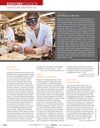
 Special astroglia cells improved stroke recovery in rats, a hair growth drug reduced cancer spread, and tiny magnesium structures were more easily shaped.
Different rat and mouse strains respond differently to stress and alcohol, which may help us understand similar human mechanisms.
 December 2021 in “Research Square (Research Square)”
 S100A4 and NMIIA promote tumor growth in glioblastoma by enhancing blood vessel functions.
March 2006 in “The FASEB Journal” Two methods improved nerve regeneration and touch recovery in skin grafts for burn patients.
 September 2011 in “Clinical Biochemistry”
 Sodium metasilicate improved spinal motoneuron recovery after sciatic nerve injury in rats.