10 citations
,
September 2024 in “Neural Regeneration Research” Stem cells improve nerve repair by enhancing blood vessel growth.
April 2018 in “Journal of Investigative Dermatology” African spiny mice can regenerate skin and hair after wounds due to specific tissue mechanics.
4 citations
,
January 2016 in “Methods in molecular biology” HAP stem cells can repair nerves, grow hair follicle nerves, and become heart muscle cells, making them useful for regenerative medicine.
3 citations
,
June 2024 in “iScience” Axolotl spinal cord regeneration may be controlled by a specific signal affecting cell sensitivity and diffusion.
81 citations
,
June 2006 in “Experimental Neurology” Neurosteroids may help prevent seizures in epilepsy.
18 citations
,
October 2014 in “In vitro cellular & developmental biology. Animal” Hair follicle stem cells can become neural cells using different methods, with varying efficiency.
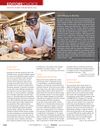 September 2013 in “Science”
 Undergraduate research experiences boost students' research skills, confidence, and career aspirations.
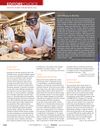 September 2013 in “Science”
 Certain astrocytes can protect the brain and improve recovery after a stroke, and a hair loss drug might reduce cancer spread.
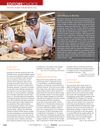 September 2013 in “Science”
 Human stem cells can aid stroke recovery, research experiences boost students' career aspirations, minoxidil may reduce cancer spread, a molecule can slow tumor growth, a protein affects water flow in cells, magnesium behaves differently at tiny scales, and a new method detects slow-moving objects.
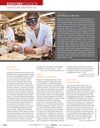 September 2013 in “Science”
 Special astroglia cells improved stroke recovery in rats, a hair growth drug reduced cancer spread, and tiny magnesium structures were more easily shaped.
22 citations
,
April 2004 in “Journal of Neurochemistry” Acute stress increases Y1 receptor gene expression in certain brain areas, but repeated stress does not.
 April 2016 in “Plastic and reconstructive surgery. Global open”
 Surgery may help infants with sagittal craniosynostosis develop more typical language processing.
September 2016 in “Journal of dermatological science” HAP stem cells can repair nerves and spinal cords by becoming Schwann cells.
 April 2021 in “Journal of Investigative Dermatology”
 Stem cells control their future role by changing ERK signal timing, affecting tissue regeneration and cancer.
3 citations
,
July 2017 in “Endogenous locus-driven H-Ras G12V expression induces senescence-like phenotype in primary fibroblasts of the Costello syndrome mouse model” Mouse hair follicle stem cells have a flexible chromatin state that supports skin health and hair growth.
309 citations
,
October 2007 in “Biomaterials” Keratin from human hair helps nerves heal faster.
11 citations
,
January 2016 in “Molecular and Cellular Neuroscience” Chronic ethanol increases certain brain receptor levels, influenced by steroids and protein changes.
December 2022 in “Stem Cells and Development” Exosomes from stem cells help improve nerve repair in rats.
 September 2016 in “Journal of dermatological science”
 Transplanted whisker follicles caused hair growth on the spine of mice.
 308 citations
,
September 2010 in “Nucleic acids research”
308 citations
,
September 2010 in “Nucleic acids research” Increasing mir-302 turns human hair cells into stem cells by changing gene regulation and demethylation.
69 citations
,
October 2013 in “Tissue Engineering Part A” Keratin hydrogel improves nerve regeneration and motor recovery.
1 citations
,
January 2007 in “Griffith Research Online (Griffith University, Queensland, Australia)” Adult rat olfactory mucosa has stem cells that can self-renew and become different cell types.
miR-214-3p helps nerve repair and recovery.
 3 citations
,
January 2023 in “PloS one”
3 citations
,
January 2023 in “PloS one” Implanting hair-follicle stem cells in mice brains helped repair brain bleeding and reduced brain inflammation.
7 citations
,
May 2017 in “Behavioural brain research” Changing neuroactive steroid levels early in life can affect how adult rats respond to alcohol's stimulating effects.
3 citations
,
October 2022 in “Frontiers in Cell and Developmental Biology” Understanding tissue regeneration requires new experiments and historical insights to improve nerve healing.
July 2025 in “Nano Research” Nanotechnology can improve tissue healing by controlling immune responses.
 17 citations
,
April 2017 in “PLoS ONE”
17 citations
,
April 2017 in “PLoS ONE” Hair follicle cells can become bone-like cells, useful for bone repair.
March 2024 in “European Journal of Neuroscience” Dopaminergic neurons in the gut have diverse subtypes with different neurotransmitter contents.
November 2007 in “Science” Keratin-based hydrogels from human hair help nerve repair better than traditional methods.