28 citations
,
October 2010 in “Targeted Oncology” Trastuzumab may cause tufted hair folliculitis as a side effect.
1 citations
,
March 2019 in “Hygiene and Sanitation” Heavy metals can damage skin and hair in mice.
 January 2023 in “National journal of physiology, pharmacy and pharmacology”
 Low-dose methotrexate is generally safe but can cause mild to severe side effects, and folic acid can reduce these risks.
34 citations
,
November 1991 in “Choice Reviews Online” Neurons and synapses are key to brain function and learning.
September 2016 in “Case Reports in Internal Medicine” Chronic arsenic toxicity can cause diabetes and may not improve even with treatment.
2 citations
,
June 2018 in “Physiology & behavior” Early changes in brain chemicals affect how a drug reduces alcohol intake in rats.
June 2013 in “Clinical Neurophysiology” Finasteride improved reflexes and motor activity in rats with liver-related brain issues.
 14 citations
,
May 2008 in “Journal of proteome research”
14 citations
,
May 2008 in “Journal of proteome research” Dutasteride may help reduce brain plaque linked to Alzheimer's by affecting cell energy structures and waste removal.
 88 citations
,
August 2019 in “Nature communications”
88 citations
,
August 2019 in “Nature communications” Researchers found a specific immune receptor in patients that causes severe skin reactions to a drug.
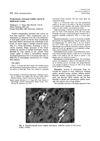 5 citations
,
September 1989 in “Journal of The American Academy of Dermatology”
5 citations
,
September 1989 in “Journal of The American Academy of Dermatology” Talc in street cocaine can cause immune-reactive skin nodules where injected.
 February 2023 in “Journal of Korean Medical Association”
 Targeted cancer therapies can cause new side effects, requiring careful monitoring and management to ensure patient safety.

Aluminum phosphide poisoning can cause horizontal nail grooves and hair loss.
Different rat and mouse strains respond differently to stress and alcohol, which may help us understand similar human mechanisms.
14 citations
,
December 2001 in “Journal of autoimmunity” Rats can develop an immune response to prion protein peptides, but it may cause severe skin issues in older rats.
 11 citations
,
June 2011 in “Expert Review of Dermatology”
11 citations
,
June 2011 in “Expert Review of Dermatology” Skin reactions to drugs are common and can be deadly, usually requiring stopping the drug and may be better prevented with genetic testing in the future.
9 citations
,
July 2024 in “Toxins” OnabotulinumtoxinA is used to treat wrinkles, pain, sweating, hair loss, and more by temporarily paralyzing muscles and affecting pain pathways.
61 citations
,
January 1970 in “Toxicology and Applied Pharmacology”  November 2025 in “Mendeley Data”
 Botulinum toxin may improve hair transplant results by enhancing graft survival and hair density.
14 citations
,
August 2017 in “International Journal of Immunopathology and Pharmacology” Photodynamic therapy improved skin issues from sorafenib when other treatments failed.
 40 citations
,
December 2012 in “Epilepsia”
40 citations
,
December 2012 in “Epilepsia” Neurosteroids change how GABA_A receptors work in the brain, which could be important for treating temporal lobe epilepsy.
 4 citations
,
March 2002 in “International journal of toxicology”
4 citations
,
March 2002 in “International journal of toxicology” LAAM caused developmental toxicity in tolerant rats without causing birth defects.
 July 2017 in “Clin-Alert”
 Different medications can cause serious side effects in some people.
12 citations
,
November 2024 in “Burns & Trauma” Neuroregulation is crucial for skin wound healing and can be targeted to improve recovery.
87 citations
,
June 2010 in “Stem Cell Research & Therapy” Stem cells can move to brain injury sites and be tracked, showing promise for treating brain diseases.
1 citations
,
July 2022 in “Frontiers in Pharmacology” Dutasteride may help protect neurons and reduce inflammation in Parkinson's disease.
March 2021 in “Der Hautarzt” Neuroendocrine paraneoplastic syndromes often show skin changes, helping early diagnosis and requiring a team approach for best care.
65 citations
,
October 2015 in “Acta Biomaterialia” The nano-carrier makes etoposide safer and more effective against lung cancer.
 April 2025 in “Revista de Ciências da Saúde Nova Esperança”
 Botulinum Toxin Type A effectively treats various conditions with high patient satisfaction and minimal side effects.

New cancer drugs can cause skin side effects like rashes, dry skin, hair changes, and nail problems.
99 citations
,
January 2004 in “Progress in brain research” Neurotrophins are important for hair growth and could help treat hair loss.