2 citations
,
September 2014 in “Nature reviews. Drug discover/Nature reviews. Drug discovery” Specific immune cells cause alopecia areata and blocking certain proteins can prevent it.
 1 citations
,
January 2017 in “Springer eBooks”
1 citations
,
January 2017 in “Springer eBooks” Understanding the immune-related causes of Alopecia Areata has led to potential treatments like JAK inhibitors.
May 2023 in “The Journal of Immunology” Alopecia areata involves unique activation of certain immune cells.
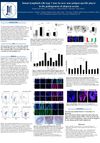
Innate lymphoid cells type 1 may contribute to alopecia areata by damaging hair follicles.
52 citations
,
September 2014 in “Nature medicine” JAK inhibitors might help treat alopecia areata.
 6 citations
,
March 2016 in “Scandinavian journal of immunology”
6 citations
,
March 2016 in “Scandinavian journal of immunology” Janus kinase inhibitors show promise in treating alopecia areata but need more safety research.
4 citations
,
July 2019 in “Experimental Dermatology” 2-deoxy D-glucose does not help with hair regrowth in alopecia areata.
21 citations
,
April 2025 in “MedComm” Alopecia areata causes unpredictable hair loss, and more research is needed to fully understand and treat it effectively.
November 2025 in “The Journal of Immunology” BTNL2 helps protect hair follicles from immune attacks, which could aid in treating alopecia areata.
July 2024 in “Journal of Controlled Release” Nanostructured lipid carriers effectively deliver tofacitinib to hair follicles, reversing hair loss in alopecia areata.
September 2019 in “Journal of Investigative Dermatology” Innate lymphoid cells type 1 may contribute to alopecia areata.
39 citations
,
November 2007 in “Journal of Histochemistry & Cytochemistry” NG2 is crucial for normal skin and hair development in mice.
 4 citations
,
October 2021 in “Scientific Reports”
4 citations
,
October 2021 in “Scientific Reports” NKIRAS2 can suppress certain skin tumors but its effect on cancer varies with context and expression level.
 25 citations
,
February 2013 in “The journal of investigative dermatology/Journal of investigative dermatology”
25 citations
,
February 2013 in “The journal of investigative dermatology/Journal of investigative dermatology” Blocking SCD1 in the skin with XEN103 shrinks sebaceous glands in mice.
 11 citations
,
April 2015 in “EBioMedicine”
11 citations
,
April 2015 in “EBioMedicine” JAK inhibitors may help treat Alopecia Areata but need careful monitoring due to side effects.
 March 2022 in “Benha Journal of Applied Sciences”
 ULBP3 levels are higher in Tinea capitis patients and may help predict the disease's severity.
 August 2018 in “Journal of the American Academy of Dermatology”
 Tofacitinib is a potential alternative treatment for alopecia totalis, especially in patients with a shorter duration of the condition and more preserved hair follicles, but the overall response rate is low.
 August 2018 in “Journal of The American Academy of Dermatology”
 Finasteride helps female-pattern hair loss.
August 2021 in “The Journal of Physiology” NKCC1 transporters help control neuron excitability and inhibition.
109 citations
,
November 2011 in “Nature Neuroscience”  196 citations
,
September 2016 in “JCI insight”
196 citations
,
September 2016 in “JCI insight” Ruxolitinib effectively regrows hair in most patients with severe hair loss.
 148 citations
,
December 2018 in “Journal of autoimmunity”
148 citations
,
December 2018 in “Journal of autoimmunity” Alopecia areata is an autoimmune disease causing patchy hair loss, often with other autoimmune disorders, but its exact causes are unknown.
 144 citations
,
July 2015 in “Clinical, Cosmetic and Investigational Dermatology”
144 citations
,
July 2015 in “Clinical, Cosmetic and Investigational Dermatology” Alopecia areata is a common autoimmune disease affecting about 2% of people, causing significant disability and often associated with mental health issues and other autoimmune conditions.
 70 citations
,
February 2015 in “Expert Opinion on Drug Discovery”
70 citations
,
February 2015 in “Expert Opinion on Drug Discovery” Topical drugs and near-infrared light therapy show potential for treating alopecia.
 57 citations
,
April 2019 in “British journal of dermatology/British journal of dermatology, Supplement”
57 citations
,
April 2019 in “British journal of dermatology/British journal of dermatology, Supplement” Alopecia areata involves immune system imbalances that may lead to depression and anxiety.
 49 citations
,
August 2018 in “International Journal of Dermatology”
49 citations
,
August 2018 in “International Journal of Dermatology” Topical JAK inhibitors may help treat alopecia universalis by promoting hair regrowth.
 41 citations
,
December 2015 in “JAMA Dermatology”
41 citations
,
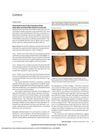
December 2015 in “JAMA Dermatology” Tofacitinib citrate improved nail dystrophy and pain in patients with alopecia universalis without causing side effects.
 37 citations
,
October 2017 in “Clinical and Experimental Dermatology”
37 citations
,
October 2017 in “Clinical and Experimental Dermatology” Oral tofacitinib shows promise in treating atopic dermatitis and alopecia areata, but only slight improvement in vitiligo.
 16 citations
,
January 2015 in “Current problems in dermatology”
16 citations
,
January 2015 in “Current problems in dermatology” Alopecia Areata is an autoimmune hair loss condition that needs more research for better treatments.
 14 citations
,
January 2020 in “Advances in Dermatology and Allergology”
14 citations
,
January 2020 in “Advances in Dermatology and Allergology” Higher interleukin-15 levels are linked to more severe alopecia areata, but not to age or gender.