15 citations
,
June 2020 in “The journal of investigative dermatology/Journal of investigative dermatology” Mice with extra human KLK14 had hair and skin problems, including weaker cell bonds and inflammation, linked to Netherton syndrome.
5 citations
,
September 2018 in “Journal of Investigative Dermatology” Keratinocyte cytokines and genetic variations influence the development of moles and skin pigmentation.
 September 2024 in “Journal of the Pakistan Medical Association”
 A 589 nm laser increases IL-2 and IFN-y gene expression in human T-cells.
IL-18 signaling helps mature Tregs move into the thymus.
 April 2023 in “The journal of investigative dermatology/Journal of investigative dermatology”
 A specific group of early-stage melanocytes is reduced in vitiligo-affected skin, which may explain treatment resistance.
 November 2022 in “Journal of Investigative Dermatology”
 Scientists found a new type of skin cell that could help with skin repair and these cells work better with a certain protein.
The microenvironment affects the behavior and survival of melanocytes with the GNAQ oncogene in melanoma.
November 2025 in “Journal of Investigative Dermatology” Certain immune cells in atopic dermatitis skin could be targeted for treatment.
 April 2017 in “Journal of Dermatological Science”
 B cells can both help and hinder the body's defense against melanoma.
18 citations
,
July 2023 in “International Journal of Molecular Sciences” KY19382 speeds up wound healing by activating a specific cell signaling pathway.
 April 2023 in “Journal of Investigative Dermatology”
 Higher PD-1 levels are linked to fewer immune cells in hair follicles in alopecia areata.
June 2026 in “Strathprints: The University of Strathclyde institutional repository (University of Strathclyde)” Topical IKKα inhibitors may help prevent CCS tumours.
July 2025 in “Journal of Investigative Dermatology” Enhancing Tregs can protect against alopecia areata.
1 citations
,
August 2015 in “Experimental Dermatology” KIT's role in skin cells is not entirely independent, as other cells can influence its function.
70 citations
,
December 2008 in “Cancer Research” CXCR2 in skin cells promotes tumor growth.
 4 citations
,
June 1998 in “The Journal of Clinical Endocrinology & Metabolism”
4 citations
,
June 1998 in “The Journal of Clinical Endocrinology & Metabolism” KGF and its receptor are found in enlarged prostate tissue and KGF strongly increases cell growth.
 8 citations
,
August 2016 in “Journal of pathology and translational medicine”
8 citations
,
August 2016 in “Journal of pathology and translational medicine” CD99 is highly present in certain skin cells and could help treat skin conditions.
 June 2026 in “Scientific Reports”
 Nestin-expressing hair follicle cells may be useful for nerve repair and regeneration.
45 citations
,
October 2018 in “JCI Insight” Entospletinib effectively prevents eye and skin GVHD in mice.
26 citations
,
February 1998 in “DNA and Cell Biology” K6 gene expression can be controlled and manipulated in mice for studying skin disorders.
13 citations
,
August 2018 in “Life sciences” Kang-ai injection with platinum-based chemotherapy improves tumor response and immune function while reducing side effects in advanced lung cancer.
Higher PD-1 levels mean fewer CD8+ T cells in alopecia areata hair follicles.
 April 2016 in “Journal of Investigative Dermatology”
 Decreasing MIG6 can increase the movement and invasiveness of MEK-inhibited mutant NRAS melanoma, particularly when stimulated by EGF.
 15 citations
,
December 2015 in “PLoS ONE”
15 citations
,
December 2015 in “PLoS ONE” Fibroblasts can be mistaken for neural cells, so functional validation is needed.
July 2017 in “Cancer Research” Krt15+ cells in mice can resist radiation, regenerate tissue, and start tumors, suggesting new cancer treatment targets.

γδTregs may help treat autoimmune diseases like alopecia areata by promoting hair regrowth and reducing immune attacks.
2 citations
,
June 2025 in “Journal of Investigative Dermatology” CD8+ T cells re-expressing CD45RA may predict treatment resistance in severe alopecia areata.
 1 citations
,
February 2025 in “Scientific Reports”
1 citations
,
February 2025 in “Scientific Reports” CD4 is crucial for maintaining skin stem cell balance and aiding wound healing.
April 2023 in “Journal of Investigative Dermatology” CD8+ T cells attack hair follicle stem cells, causing scarring and hair loss.
 January 2012 in “Journal of Investigative Dermatology”
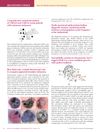
 Some Greek melanoma patients have gene mutations linked to increased cancer risk, a new color feature helps diagnose melanoma, the incidence of a skin condition in the Netherlands is rare, and a gene possibly affects male-pattern baldness.