New treatments for alopecia areata, like JAK inhibitors and immunomodulators, are promising.
November 2024 in “Journal of Investigative Dermatology” Certain NK cell changes in blood may indicate alopecia areata progression.
2 citations
,
September 2014 in “Nature reviews. Drug discover/Nature reviews. Drug discovery” Specific immune cells cause alopecia areata and blocking certain proteins can prevent it.
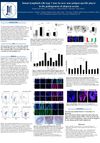
Innate lymphoid cells type 1 may contribute to alopecia areata by damaging hair follicles.
 6 citations
,
March 2016 in “Scandinavian journal of immunology”
6 citations
,
March 2016 in “Scandinavian journal of immunology” Janus kinase inhibitors show promise in treating alopecia areata but need more safety research.
July 2024 in “Journal of Investigative Dermatology” IL-27 may help prevent hair loss in alopecia areata by promoting immunosuppressive T cells.
July 2024 in “Journal of Controlled Release” Nanostructured lipid carriers effectively deliver tofacitinib to hair follicles, reversing hair loss in alopecia areata.
September 2019 in “Journal of Investigative Dermatology” Innate lymphoid cells type 1 may contribute to alopecia areata.
6 citations
,
January 2010 in “Journal of Biochemical and Molecular Toxicology” The ID2 gene can help distinguish between sensitizers and irritants in skin cells.
ERK activation spreads between cells in mouse skin, linked to cell division and influenced by TPA and EGF receptors.
39 citations
,
November 2007 in “Journal of Histochemistry & Cytochemistry” NG2 is crucial for normal skin and hair development in mice.
 4 citations
,
October 2021 in “Scientific Reports”
4 citations
,
October 2021 in “Scientific Reports” NKIRAS2 can suppress certain skin tumors but its effect on cancer varies with context and expression level.
 67 citations
,
December 2009 in “Stem Cells”
67 citations
,
December 2009 in “Stem Cells” β-Catenin signaling is involved in brain cell growth after injury and could be a therapy target.
53 citations
,
August 2005 in “The Journal of Cell Biology” Sgk3 is essential for normal hair follicle growth and maintenance.
 6 citations
,
September 2023 in “Experimental physiology”
6 citations
,
September 2023 in “Experimental physiology” A special receptor in sensory nerve endings helps control how they respond to stretching.
79 citations
,
January 2002 in “Nucleic Acids Research” BMP-2 activates the Dlx3 gene in mouse skin cells, important for hair and skin development.
18 citations
,
July 2023 in “International Journal of Molecular Sciences” KY19382 speeds up wound healing by activating a specific cell signaling pathway.
 January 2025 in “Nature Communications”
 CPK1 helps root hair growth in Arabidopsis by activating channels for calcium signaling.
 82 citations
,
May 2009 in “Development”
82 citations
,
May 2009 in “Development” EGF and KGF signalling prevent hair follicle formation and promote skin cell development in mice.
August 2021 in “The Journal of Physiology” NKCC1 transporters help control neuron excitability and inhibition.
19 citations
,
February 2016 in “Journal of Biological Chemistry” KCNQ potassium channels help control the sensitivity of touch receptors in the skin.
1 citations
,
January 2015 ERK activation spreads between cells, influencing cell division and wound healing.
 11 citations
,
August 2014 in “PLoS ONE”
11 citations
,
August 2014 in “PLoS ONE” GFRα2 is essential for controlling neuron size but not for target innervation in certain sensory neurons.
 16 citations
,
March 2016 in “The journal of investigative dermatology/Journal of investigative dermatology”
16 citations
,
March 2016 in “The journal of investigative dermatology/Journal of investigative dermatology” The Notch signaling pathway helps in mouse hair development through a noncanonical mechanism that does not rely on RBPj or transcription.
 57 citations
,
December 2021 in “Nature Communications”
57 citations
,
December 2021 in “Nature Communications” Non-canonical Wnt signaling helps intestinal stem cells move to injury sites for tissue repair.
280 citations
,
January 2004 in “The EMBO Journal” AGC2-1 protein is essential for root hair growth in Arabidopsis.
 September 2021 in “bioRxiv (Cold Spring Harbor Laboratory)”
 Special gut cells help stem cells move to and fix injured areas by activating a specific signaling pathway.
122 citations
,
June 1998 in “PubMed” Neurotrophins regulate nerve growth by balancing promotion and suppression.
 18 citations
,
February 2018 in “International Journal of Molecular Sciences”
18 citations
,
February 2018 in “International Journal of Molecular Sciences” PGD2 increases androgen receptor activity in hair cells, which could be targeted to treat hair loss.
 January 2022 in “bioRxiv (Cold Spring Harbor Laboratory)”
 The gp130 receptor helps in tissue regeneration and disease progression, and manipulating it could improve healing and prevent disease.