 May 2025 in “Journal of research in pharmaceutical science.”
 The herbal hair serum with hibiscus, flaxseed, and aloe vera improves hair smoothness and shine without harmful effects.
49 citations
,
January 1972 in “Biochimica et Biophysica Acta (BBA) - Protein Structure” 2 citations
,
August 1987 in “Analytical Biochemistry” A new method isolated previously undetected hair proteins rich in glycine and tyrosine.
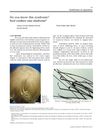
The document concludes that Loose Anagen Hair Syndrome is a benign condition where hair is thin and easily pulled out, often improving with age.
February 2016 in “Seoul National University Open Repository (Seoul National University)” Photodynamic therapy can temporarily remove nonpigmented hair but is less effective than lasers for black hair.
March 2016 in “The Korean Society of Beauty and Art” MSG-based hair hardener improves hair thickness, strength, and wave retention after perms.
November 2020 in “Zenodo (CERN European Organization for Nuclear Research)” Managing stress and avoiding hair dyes can help prevent hair loss.
 39 citations
,
June 2019 in “Nanomaterials”
39 citations
,
June 2019 in “Nanomaterials” Nanotube-based hair treatments could improve hair health and growth, and offer long-lasting effects.
January 2026 in “Updates in clinical dermatology” November 2024 in “Biophysical Chemistry” Hair structure changes immediately during perm treatment, with initial damage partially restored later.
The method effectively measures hair elasticity and could be useful in forensics.
 January 2013 in “Sen'i Gakkaishi”
 Microfibrils are key for permanent waves, and hydrolyzed keratin improves wave formation and hair condition.
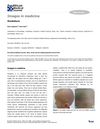 January 2013 in “The Pan African medical journal”
 Monilethrix causes short, fragile hair with no specific treatment available.
 August 2023 in “Journal of Health and Beauty”
 K-30 treatment restores protein and weight in damaged hair, making it similar to healthy hair.
 9 citations
,
January 1966 in “Economic botany”
9 citations
,
January 1966 in “Economic botany” Plant-based ingredients in hair care are being replaced by synthetic alternatives.
 July 2024 in “Clinical Cosmetic and Investigational Dermatology”
 Non-drug therapies show promise for hair regrowth but need more research.
 October 2025 in “BENTHAM SCIENCE PUBLISHERS eBooks”
 Herbal ingredients are effective and safer for treating hair issues and promoting growth.
Yak hair stretches mainly due to macromolecules slipping past each other.
February 2022 in “INTERNATIONAL JOURNAL OF SCIENTIFIC RESEARCH” Home-based laser devices are effective for hair removal, skin rejuvenation, and stimulating hair growth, but more research is needed on their safety and long-term effects.
 5 citations
,
July 1999 in “JEADV. Journal of the European Academy of Dermatology and Venereology/Journal of the European Academy of Dermatology and Venereology”
5 citations
,
July 1999 in “JEADV. Journal of the European Academy of Dermatology and Venereology/Journal of the European Academy of Dermatology and Venereology” Proteolytic enzymes damage hair follicles by detaching stem cells.
May 2025 in “Dermatology Reports” A genetic mutation in the LIPH gene causes a rare hair disorder with sparse, curly hair.
 6 citations
,
August 2012 in “The Journal of Pediatrics”
6 citations
,
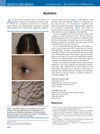
August 2012 in “The Journal of Pediatrics” A 12-year-old girl was diagnosed with monilethrix, a genetic condition causing fragile, beaded hair that breaks easily, with no effective treatment available.
39 citations
,
July 2005 in “Current medical research and opinion” Topical cream eflornithine 11.5% can slow hair growth and may help reduce hair removal frequency.
 46 citations
,
October 2009 in “Archives of Dermatology”
46 citations
,
October 2009 in “Archives of Dermatology” Loose anagen hair syndrome, often affecting young girls, can be diagnosed with a hair-pull test and usually gets better on its own, but severe cases may need treatment.
 12 citations
,
October 2012 in “Dermatologic Clinics”
12 citations
,
October 2012 in “Dermatologic Clinics” Low-Level Laser Therapy and other light treatments for hair growth lack strong evidence and need more research.
January 2018 in “Archives of dermatology and skin care” Low level laser therapy may promote hair growth for patterned hair loss, but more research is needed.
16 citations
,
January 1977 6 citations
,
November 2001 in “Der Hautarzt” Photothermolysis is the best method for permanent hair removal.
 2 citations
,
March 2021 in “Dermatologic Therapy”
2 citations
,
March 2021 in “Dermatologic Therapy” Low-level laser therapy helps increase hair growth in female pattern hair loss but not in telogen effluvium.
1 citations
,
December 2022 in “Skin Research and Technology” The technique helps measure how hair styling ingredients affect hair's stiffness and flexibility.