7 citations
,
January 2023 in “Skin Appendage Disorders” Sensitive scalp causes discomfort and may relate to hair loss, with treatment focusing on scalp care and medication.
 May 2015 in “Journal of The American Academy of Dermatology”
 The Nd:YAG laser is a successful and safe way to treat ingrown and pincer nails.
 84 citations
,
June 2013 in “Stem Cells Translational Medicine”
84 citations
,
June 2013 in “Stem Cells Translational Medicine” New methods for skin and nerve regeneration can improve healing and feeling after burns.
 1 citations
,
August 2022 in “Journal of Dermatology and Dermatologic Surgery”
1 citations
,
August 2022 in “Journal of Dermatology and Dermatologic Surgery” A patient developed nerve problems as a side effect of a hair loss treatment called tofacitinib.
 7 citations
,
January 1998 in “PubMed”
7 citations
,
January 1998 in “PubMed” Hair loss can cause scalp discomfort.
1 citations
,
June 2015 in “Journal of anatomy” A compound named ZCZ90 can increase muscle spindle firing, potentially helping treat muscle spasms and hypertension.
September 2024 in “Actas Dermo-Sifiliográficas” Trichodynia is a painful scalp condition linked to hair loss and mental health issues, with limited treatment options.
 9 citations
,
January 2013 in “Acta dermato-venereologica”
9 citations
,
January 2013 in “Acta dermato-venereologica” The conclusion is that "trichoknesis" should be recognized as a separate condition from trichodynia, characterized by itching instead of pain.
5 citations
,
July 1999 in “Journal of Anatomy” Methylene blue staining effectively reveals detailed nerve structures in rat snouts.
Naproxen can cause serious lung issues, but high-dose aspirin might be safer.
46 citations
,
April 2021 in “International Journal of Molecular Sciences” Curcumin shows promise in reducing pain and inflammation, but more research is needed.
7 citations
,
July 2025 in “The Journal of Physiology” C-tactile nerves are sensitive to hair movement.
1 citations
,
January 2001 in “PubMed” Mechanoreceptors convert physical touch into electrical signals through specialized nerve structures.
65 citations
,
December 2010 in “Current Pharmaceutical Biotechnology” TRPV1 is involved in pain, various body functions, and diseases, but targeting it for treatment is challenging.
 4 citations
,
November 2018 in “Journal of pharmacological sciences”
4 citations
,
November 2018 in “Journal of pharmacological sciences” Mild exercise reduces pain in older rats through a brain chemical, while intense exercise reduces pain in all rats through a different pain-blocking process.
Botulinum toxin type A reduces itch and inflammation from histamine and may help treat certain skin conditions and hair loss.
 1 citations
,
April 2021 in “Journal of Investigative Dermatology”
1 citations
,
April 2021 in “Journal of Investigative Dermatology” Activating TRPA1 reduces scarring and promotes tissue regeneration.
5 citations
,
July 1999 in “Journal of Anatomy” Methylene blue staining effectively highlights detailed nerve structures in rat fur.

The document's conclusion cannot be provided because the document is not accessible or understandable.
June 2007 in “Emergency medicine news” If someone has unexplained nerve pain and hair loss, doctors should check for thallium poisoning.
70 citations
,
February 2016 in “EMBO reports” Scientists found a specific group of itch-sensing nerve cells in mice important for feeling itch but not for sensing heat or touch.
13 citations
,
December 2009 in “Journal of the Peripheral Nervous System” TRPA1 and TRPV1 channels don't affect mechanotransduction in rat sinus hair follicles.
 81 citations
,
June 2014 in “Cold Spring Harbor perspectives in medicine”
81 citations
,
June 2014 in “Cold Spring Harbor perspectives in medicine” Skin has specialized touch receptors that can tell different sensations apart.
21 citations
,
September 2003 in “Journal of Clinical Investigation” Overexpressing noggin in mice causes severe osteoporosis.
36 citations
,
September 2009 in “Molecular Neurobiology” 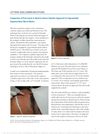 1 citations
,
September 2017 in “Dermatologic Surgery”
1 citations
,
September 2017 in “Dermatologic Surgery” The cephalic approach for nerve blocks is less painful than the anterior approach during hair restoration surgery.
July 2025 in “Actas Dermo-Sifiliográficas” Trichodynia is a challenging scalp condition to treat, needing gentle care and more research for better solutions.
4 citations
,
March 2009 in “Journal of pain and symptom management” Gabapentin may cause hair loss in patients treated for neuropathic pain.
 July 2025 in “The Journal of Physiology”
 C-tactile afferents are linked to emotional touch and social bonding through hair movement.
January 2026 in “International Journal of Molecular Sciences” Topical peptides may offer safer, effective pain relief and healing for wounds.