 September 2024 in “Ain Shams Medical Journal”
 Androgenic alopecia causes hair thinning, and treatments include minoxidil, finasteride, and light therapy.
Dr. SKS Hair Booster Serum is safe and effective for reducing hair fall and promoting hair growth.
March 2025 in “Clinical Reviews in Allergy & Immunology” July 2026 in “Journal of the American Academy of Dermatology” 30 citations
,
March 1996 in “British Journal of Dermatology” 
Oral Minoxidil could be a safe and effective alternative treatment for various non-androgenic alopecias.
 16 citations
,
November 1992 in “Journal of International Medical Research”
16 citations
,
November 1992 in “Journal of International Medical Research” ViviScal®, a food supplement, was found to be highly effective in treating hereditary hair loss in young males, while fish extract showed no impact.
November 2021 in “CRC Press eBooks” Female androgenic alopecia causes hair thinning in women, especially after menopause, and affects their mental well-being.
 10 citations
,
May 2000 in “PubMed”
10 citations
,
May 2000 in “PubMed” In Bishan, Singapore, 63% of men have androgenetic alopecia, a type of hair loss, with rates increasing with age and more common in Indians than Chinese.
 3 citations
,
January 2016 in “International Journal of Research in Medical Sciences”
3 citations
,
January 2016 in “International Journal of Research in Medical Sciences” Using both minoxidil and platelet-rich plasma therapy together is more effective for hair growth in women than using minoxidil alone.
 March 2010 in “The Journal of Urology”
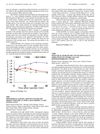
 Hair loss, prostate size, and urinary issues are related due to androgen effects.
 December 2025 in “Russian Journal of Skin and Venereal Diseases”
 Hair follicles are thinner in alopecia patients, especially in alopecia areata.
 32 citations
,
January 1990 in “Clinical Endocrinology”
32 citations
,
January 1990 in “Clinical Endocrinology” Women with female pattern hair loss have higher levels of certain androgens, suggesting increased androgen exposure to hair follicles.
 24 citations
,
September 2018 in “Lasers in Surgery and Medicine”
24 citations
,
September 2018 in “Lasers in Surgery and Medicine” Multiphoton microscopy can non-invasively tell apart scarring from non-scarring hair loss and could aid in treatment.
 19 citations
,
June 2020 in “International Journal of Dermatology”
19 citations
,
June 2020 in “International Journal of Dermatology” Low-dose oral minoxidil effectively treats non-scarring hair loss with some side effects like hypertrichosis and postural hypotension.
 17 citations
,
May 2016 in “Archives of Dermatological Research”
17 citations
,
May 2016 in “Archives of Dermatological Research” Reflectance confocal microscopy can help tell apart scarring from non-scarring hair loss.
 2 citations
,
January 2021 in “Przegląd Dermatologiczny (1959)”
2 citations
,
January 2021 in “Przegląd Dermatologiczny (1959)” The article discusses various treatments for different types of non-scarring hair loss.
 1 citations
,
February 2019 in “PubMed”
1 citations
,
February 2019 in “PubMed” Minoxidil is effective in treating various types of hair loss and can improve quality of life, with combination therapies showing increased effectiveness.
 July 2026 in “Journal of the American Academy of Dermatology”
 GLP-1 and GLP-1/GIP agonists may increase the risk of hair loss.
April 2026 in “Skin Appendage Disorders” Exosome therapy shows promise for treating hair loss but needs more research and standardization.
 May 2025 in “Frontiers in Pharmacology”
 New treatments are needed for non-scarring alopecia due to current limitations.
 September 2024 in “Archiv Euromedica”
 Trichoscopy is a quick, accurate, and non-invasive method to diagnose and treat non-scarring hair loss.
 June 2024 in “Дерматовенерология Косметология”
 Autologous follicular stem cells improved hair loss in 57% of patients.

Higher levels of β-carotene and vitamin E may help prevent certain types of hair loss.
 March 2024 in “Frontiers in Endocrinology”
 The study found that alopecia areata and hypothyroidism increase the risk of each other, but androgenetic alopecia and hypothyroidism do not.
 November 2023 in “Journal of Cosmetic Dermatology”
 People with non-scarring hair loss often have lower vitamin D levels than those without hair loss.
 June 2023 in “International journal of pharmaceutical quality assurance”
 Videodermoscopy is effective for diagnosing different types of non-scarring hair loss.
 December 2022 in “Cureus”
 Low iron levels are linked to hair loss in women.
 July 2022 in “المجلة العراقية للصيدلة”
 Most women with excessive hair growth (hirsutism) also experience a common type of non-scarring hair loss called Androgenetic alopecia with telogen effluvium.