 16 citations
,
March 2018 in “Seminars in Oncology”
16 citations
,
March 2018 in “Seminars in Oncology” The document concludes that pregnancy and cancer share immune evasion tactics, but more research is needed before using checkpoint blockade immunotherapy in pregnant cancer patients to avoid harm to the placenta.
 19 citations
,
August 1999 in “European journal of endocrinology”
19 citations
,
August 1999 in “European journal of endocrinology” The study concluded that testing hormone levels after stimulation is not reliable for identifying carriers of 21-hydroxylase deficiency; genetic testing is necessary.
 2 citations
,
January 2002 in “Hormone Research in Paediatrics”
2 citations
,
January 2002 in “Hormone Research in Paediatrics” Molecular diagnostics help identify genetic defects causing endocrine diseases, improving diagnosis and treatment options.
 7 citations
,
January 2019 in “Australasian Journal of Dermatology”
7 citations
,
January 2019 in “Australasian Journal of Dermatology” A genetic marker linked to a type of hair loss was found in most patients studied.
 42 citations
,
April 2013 in “Steroids”
42 citations
,
April 2013 in “Steroids” Non-classic congenital adrenal hyperplasia is a common disorder causing symptoms like acne and infertility, and it's managed based on symptoms, not just test results. Treatment can improve fertility and reduce miscarriage risk.
 151 citations
,
December 2004 in “Annals of the New York Academy of Sciences”
151 citations
,
December 2004 in “Annals of the New York Academy of Sciences” Congenital Adrenal Hyperplasia is a genetic disorder with two forms, causing symptoms like early puberty and severe acne, but can be identified through screening and treated with glucocorticoids.
 32 citations
,
June 2019 in “Frontiers in Endocrinology”
32 citations
,
June 2019 in “Frontiers in Endocrinology” Polycystic Ovary Syndrome (PCOS) is common in women with conditions like anovulation, hirsutism, hair loss, and type 2 diabetes, and it can lead to health risks like heart disease, obesity, insulin resistance, and depression. Non-Classic Congenital Adrenal Hyperplasia (NC-CAH) is also discussed.
16 citations
,
September 2006 in “The Journal of Immunology” MILL molecules are unique immune proteins in mice that don't need TAP to appear on cell surfaces.
 13 citations
,
May 1996 in “Archives of Disease in Childhood”
13 citations
,
May 1996 in “Archives of Disease in Childhood” Siblings with signs of virilization should be tested for non-classical congenital adrenal hyperplasia, which does not affect adult height but may impact fertility and well-being if untreated.
 117 citations
,
May 2017 in “Human Reproduction Update”
117 citations
,
May 2017 in “Human Reproduction Update” The update highlights that non-classic congenital adrenal hyperplasia is common in women with excess male hormones, requires specific hormone tests for diagnosis, and has various treatment options depending on age and symptoms.
 14 citations
,
January 2013 in “Hormone and Metabolic Research”
14 citations
,
January 2013 in “Hormone and Metabolic Research” The severity of symptoms in nonclassical congenital adrenal hyperplasia is not determined by CYP21A2 gene variations.
 January 2024 in “International journal of homoeopathic sciences”
 Early intervention and patient education are crucial for managing alopecia areata.
 January 2019 in “Springer eBooks”
 Acne is linked to inflammation and insulin resistance, and is associated with various syndromes that require different treatments.
 26 citations
,
March 2009 in “Dermato-endocrinology”
26 citations
,
March 2009 in “Dermato-endocrinology” The document concludes that diagnosing and treating Congenital Adrenal Hyperplasia is complex and requires a team approach due to its effects on the skin and other symptoms.
 16 citations
,
September 2008 in “Dermatologic Therapy”
16 citations
,
September 2008 in “Dermatologic Therapy” CAH is a genetic disorder affecting cortisol production and causing hormonal imbalances, with treatment and diagnosis varying by form and symptoms.
 30 citations
,
July 2019 in “PloS one”
30 citations
,
July 2019 in “PloS one” Patients with Alopecia areata have fewer specific immune cells that normally regulate the immune system, which may contribute to the condition.
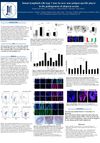
Innate lymphoid cells type 1 may contribute to alopecia areata by damaging hair follicles.
 January 2014 in “Journal of Investigative Dermatology”
 Proteins like aPKC and PDGF-AA, substances like adenosine and ATP, and adipose-derived stem cells all play important roles in hair growth and health, and could potentially be used to treat hair loss and skin conditions.
 January 2017 in “Springer eBooks”
 The document concludes that Cutaneous Lupus Erythematosus has different forms, is influenced by genetic and environmental factors, and can be treated with various medications, but more targeted therapies are needed.
 24 citations
,
October 2014 in “Cold Spring Harbor Perspectives in Medicine”
24 citations
,
October 2014 in “Cold Spring Harbor Perspectives in Medicine” Genetic research has advanced our understanding of skin diseases, but complex conditions require an integrative approach for deeper insight.

TLR3 signaling enhances the immunosuppressive properties of human periodontal ligament stem cells.
 January 2026 in “Frontiers in Molecular Biosciences”
 A new method helps diagnose alopecia areata using specific gene markers and could guide targeted treatments.
15 citations
,
January 2022 in “Immune Network/Immune network” New targeted immunotherapies are improving treatment for inflammatory skin diseases.
 147 citations
,
November 2020 in “International Journal of Molecular Sciences”
147 citations
,
November 2020 in “International Journal of Molecular Sciences” Keratinocytes help heal skin wounds by interacting with immune cells and producing substances that kill pathogens.
 68 citations
,
July 2011 in “Journal of Biochemistry/The journal of biochemistry”
68 citations
,
July 2011 in “Journal of Biochemistry/The journal of biochemistry” New LPA receptors (LPA4, LPA5, LPA6) have diverse roles in the body.
 46 citations
,
April 2016 in “Journal of Investigative Dermatology”
46 citations
,
April 2016 in “Journal of Investigative Dermatology” New genes found linked to balding, may help develop future treatments.
 12 citations
,
September 2017 in “Molecular and Cellular Endocrinology”
12 citations
,
September 2017 in “Molecular and Cellular Endocrinology” Testosterone significantly affects sexual desire in both men and women, but its impact on women is more complex and influenced by psychological factors.
 94 citations
,
July 2020 in “European Journal of Human Genetics”
94 citations
,
July 2020 in “European Journal of Human Genetics” The guidelines ensure accurate genetic testing and reporting for 21-hydroxylase deficiency.
 115 citations
,
March 2019 in “Nature Communications”
115 citations
,
March 2019 in “Nature Communications” Frontal fibrosing alopecia is linked to four genetic areas, especially the HLA-B*07:02 allele.
 2 citations
,
May 2018 in “Expert opinion on orphan drugs”
2 citations
,
May 2018 in “Expert opinion on orphan drugs” Newborn screening and gene therapy are expected to improve outcomes for Omenn syndrome patients.