6 citations
,
June 2023 in “Journal of the European Academy of Dermatology and Venereology” Inflammation damages sweat ducts, causing sweat gland injury.
9 citations
,
June 2022 in “Plants” Shallot extract may help with hair growth and treating hair loss.
 April 2025 in “International Journal of Cosmetic Science”
 A new hair perming method avoids damage and lasts longer than traditional methods.
 November 2022 in “Journal of Investigative Dermatology”
 A new molecule was found to be a safe and effective skin lightener and anti-aging product.
81 citations
,
January 2003 in “Journal of cosmetic and laser therapy” New techniques have improved acne scar treatment, but multiple tailored sessions are often needed.
 November 2023 in “International Journal of Biological Macromolecules”
 The gelatin-based hydrogel helps heal acute and diabetic wounds faster by improving healing conditions.
March 2026 in “Tạp chí Da liễu học Việt Nam” Imbalance in immune cells causes hair loss in alopecia areata.
 January 2023 in “Han'gug mi'saengmul saengmyeong gong haghoeji/Han-guk misaengmul saengmyeong gonghak hoeji”
 NOC-4 extract promotes black hair and hair growth effectively.
November 2022 in “Cureus” New biomaterial treatments for baldness show promise, with options depending on patient needs.
 140 citations
,
August 2011 in “Biomaterials”
140 citations
,
August 2011 in “Biomaterials” Keratose, derived from human hair, is a non-toxic biomaterial good for tissue regeneration and integrates well with body tissues.
24 citations
,
August 2021 in “Scientific Reports” Non-thermal plasma could help hair growth by activating key cell signals.
2 citations
,
April 2013 in “PubMed” Abnormal T-cells from thymomas cause non-motor symptoms in some myasthenia gravis patients.
15 citations
,
June 2021 in “Journal of Genetic Engineering and Biotechnology” Biomaterials can improve non-viral gene delivery by enhancing DNA uptake and reducing toxicity.
December 2025 in “Journal of Investigative Dermatology” Immune system issues may contribute to female pattern hair loss.
2 citations
,
December 2023 in “Pharmaceutics” Inhaling medicine may reduce side effects and improve treatment for a major lung cancer type.
37 citations
,
July 2019 in “Pakistan Journal of Biological Sciences” Quinoa and safflower seeds may help fight cancer and protect the liver.
December 2022 in “Scientific Reports” Compound 4 is a promising treatment for hair loss with low toxicity.
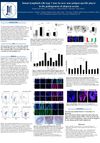
Innate lymphoid cells type 1 may contribute to alopecia areata by damaging hair follicles.
4 citations
,
January 2025 in “Pharmaceutics” The gel is a safe and effective treatment for hyperpigmentation.
September 2019 in “Journal of Investigative Dermatology” Innate lymphoid cells type 1 may contribute to alopecia areata.
21 citations
,
March 2022 in “Pharmaceuticals” The new Brigatinib nanocarrier is more effective against lung cancer cells than the free drug.
1 citations
,
January 2015 A compound from Aloe barbadensis Miller can help regrow hair better than minoxidil.
45 citations
,
May 2024 in “International Journal of Molecular Sciences” Alopecia areata is caused by immune attacks on hair follicles, affecting hair growth and quality of life.
27 citations
,
May 2016 in “Integrative Cancer Therapies” Chrysin makes docetaxel more effective and reduces its side effects in lung cancer treatment.
 April 2021 in “Sohag Medical Journal”
 Alopecia areata is an autoimmune condition causing hair loss, linked to genetic factors and immune system issues, with no cure yet.
36 citations
,
October 2019 in “Cell Proliferation” Tryptanthrin effectively suppresses non-melanoma skin cancer and is safe for normal skin.
3 citations
,
November 2024 in “Clinical Research” Deuruxolitinib is FDA-approved for treating severe alopecia areata.
Any medication can cause skin reactions, some due to allergies and others due to dosage or genetic factors.
April 2023 in “Journal of Investigative Dermatology” Increased TEMRA cells can predict treatment outcomes in rapidly progressive alopecia areata.
21 citations
,
February 2023 in “Pharmaceuticals” Pomegranate leaves can be a cost-effective source of beneficial ingredients for health and skincare products.