 16 citations
,
November 1992 in “Journal of International Medical Research”
16 citations
,
November 1992 in “Journal of International Medical Research” ViviScal®, a food supplement, was found to be highly effective in treating hereditary hair loss in young males, while fish extract showed no impact.
 11 citations
,
April 1990 in “Australasian Journal of Dermatology”
11 citations
,
April 1990 in “Australasian Journal of Dermatology” Minoxidil modestly increases hair growth in men with early baldness and is safe to use.
 10 citations
,
May 2007 in “PubMed”
10 citations
,
May 2007 in “PubMed” 1% topical minoxidil solution significantly improved hair growth in Japanese women with androgenetic alopecia, with no major side effects.
 10 citations
,
January 1996 in “Journal of Dermatological Treatment”
10 citations
,
January 1996 in “Journal of Dermatological Treatment” Herbal preparation effectively promotes hair growth and reduces hair loss.
 3 citations
,
July 1997 in “The Lancet”
3 citations
,
July 1997 in “The Lancet” Finasteride may increase hair growth and prevent baldness in men, but can cause sexual side effects.
1 citations
,
August 2010 in “Journal of dermatology” Photoepilation significantly reduces hair, and phototrichograms can objectively measure its effectiveness.
 July 2025 in “Journal of Investigative Dermatology”
 5% ET-02 is a more effective and safe treatment for hair loss than current options.
 July 2025 in “Journal of Investigative Dermatology”
 AMP-303 safely increases hair growth in men with hair loss.
 October 2015 in “Elsevier eBooks”
 Minoxidil is effective for hair growth and safe for long-term use.
 January 1993 in “Inpharma Weekly”
 A new food supplement was highly effective in curing hair loss in young men.
 January 1993 in “Journal of International Medical Research”
 The document corrects errors in previous articles, including a reversed term, updated subject weights, hair count data, and reference numbering.
 March 2026 in “Frontiers in Medicine”
 Diffuse unpatterned alopecia can affect donor areas, but treatment with finasteride and minoxidil can improve hair density.
 October 2024 in “Photodermatology Photoimmunology & Photomedicine”
 Red LED therapy is more effective than green LED for improving hair growth in androgenetic alopecia.
 November 2022 in “Nihon Nyuusankin Gakkaishi/Nihon Nyūsankin Gakkaishi”
 The lotion with N793 strain significantly increased hair density and reduced hair loss safely.
 July 1997 in “The Lancet”
 Finasteride increased hair count and regrowth in men with hair loss but also caused more sexual side effects than placebo.
 July 1997 in “The Lancet”
 A new protein linked to Alzheimer's was discovered, and a hair loss treatment showed effectiveness but had some sexual side effects.
January 2012 in “Sichuan Medical Journal” 2% minoxidil effectively increases hair count in women with androgenetic alopecia without severe side effects.
 13 citations
,
January 2014 in “Dermatology”
13 citations
,
January 2014 in “Dermatology” Radiation-induced alopecia after angioembolization usually heals on its own and can look like other hair loss types, but patient history helps prevent misdiagnosis.
 1 citations
,
October 2020 in “International Journal of Research in Dermatology”
1 citations
,
October 2020 in “International Journal of Research in Dermatology” The study concluded that short vellus hair and yellow dots were the most common signs of alopecia areata, indicating disease activity and remission.
 March 2023 in “Photodiagnosis and Photodynamic Therapy”
 Low vitamin D levels are linked to severe and active alopecia areata.
January 2026 in “Journal of Hair Restoration and Regenerative Medicine” Hair transplantation is unsafe for diffuse unpatterned alopecia; focus on medical treatment and reassessment.
32 citations
,
August 2016 in “Journal of the American Academy of Dermatology” Temporal triangular alopecia is a non-scarring hair loss in children, often linked to other health conditions.
 13 citations
,
January 2011 in “International Journal of Trichology”
13 citations
,
January 2011 in “International Journal of Trichology” CTA is often mistaken for AA but doesn't respond to steroids and may require hair transplantation.
3 citations
,
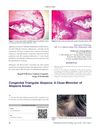
January 2020 in “International journal of trichology” Congenital triangular alopecia is a hair loss condition present from birth or early childhood with no effective treatment needed.
 2 citations
,
February 2018 in “Journal of dermatology & cosmetology”
2 citations
,
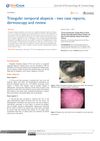
February 2018 in “Journal of dermatology & cosmetology” Triangular temporal alopecia is a benign hair loss pattern best diagnosed with dermoscopy, with limited treatment options like surgery and hair transplantation.
 January 2021 in “International journal of dermatology, venereology and leprosy sciences”
 Trichoscopy shows black dots, yellow dots, and empty follicles are common in Alopecia Areata, with broken and exclamation mark hair as typical patterns.
 January 2020 in “Przegla̧d dermatologiczny”
 A 5-year-old boy was diagnosed with congenital triangular alopecia, a type of hair loss without skin changes, usually starting between ages 2-5, with no specific treatment.
 January 2018 in “Figshare”
 Horizontal sections of scalp biopsies are useful for telling the difference between Androgenetic Alopecia and Alopecia Areata.
January 2023 in “Journal of Clinical and Diagnostic Research” Trichoscopic patterns often overlap in scalp disorders, so dermatologists need to stay updated.
 August 2019 in “Journal of The American Academy of Dermatology”
 5% minoxidil foam effectively regrows hair in women, with postmenopausal women seeing the most improvement.