 29 citations
,
January 2019 in “Journal of the European Academy of Dermatology and Venereology”
29 citations
,
January 2019 in “Journal of the European Academy of Dermatology and Venereology” Trichoscopy is useful for diagnosing and monitoring systemic lupus erythematosus, with certain hair and scalp changes indicating more active disease.
 26 citations
,
September 2016 in “International Journal of Dermatology”
26 citations
,
September 2016 in “International Journal of Dermatology” Trichoscopy is good for telling apart tinea capitis and alopecia areata in kids.
 6 citations
,
November 2022 in “Forensic Science Medicine and Pathology”
6 citations
,
November 2022 in “Forensic Science Medicine and Pathology” Genetic markers can help predict ear shapes for forensic use.
34 citations
,
November 1998 in “Journal of Investigative Dermatology” A common mutation in the hHb6 gene is linked to monilethrix, but other factors may also play a role.
 January 2014 in “Pathology”
 Non-scarring hair loss can be diagnosed with two 4mm punch biopsies, one cut vertically and the other transversely.
9 citations
,
May 1996 in “Pediatric Dermatology” Alopecia areata and lichen planus can occur together in children, which is important for diagnosis and treatment.
 December 2017 in “Revista Brasileira de Saúde Materno Infantil”
 Pregnant women with Systemic Lupus Erythematosus have a higher risk of blood clotting problems.
3 citations
,
June 2023 in “Frontiers in Medicine” A new model uses specific blood markers to predict if children's hair loss will return.
 6 citations
,
May 2012 in “Archives of Dermatological Research”
6 citations
,
May 2012 in “Archives of Dermatological Research” A new mutation in the HR gene is linked to a rare form of hair loss with limb deformities.
7 citations
,
August 2017 in “Genetic testing and molecular biomarkers” A new mutation in the FLCN gene linked to Birt-Hogg-Dube syndrome was found, suggesting people with certain lung collapse should be tested for this mutation and screened for kidney and colon cancer.
November 2023 in “Вопросы современной педиатрии” Genetic testing can diagnose hair loss linked to DSG4 gene variants.
February 2023 in “Zenodo (CERN European Organization for Nuclear Research)” Trichoscopy is a useful and affordable tool for diagnosing Alopecia areata.
 February 2010 in “Journal of The American Academy of Dermatology”
 Babies born after 38 weeks to mothers under 36 years old and not delivered by C-section have a higher risk of neonatal occipital alopecia.
June 2026 in “Case Reports in Dermatology” Dupilumab improved hair and skin in a woman with Netherton syndrome.
August 2011 in “Reproductive Toxicology” 1 citations
,
March 2013 in “British Journal of Dermatology” Recognizing eyebrow hair loss linked to a rare skin condition is crucial for proper treatment.
88 citations
,
March 2004 in “Journal of Investigative Dermatology” 13 citations
,
June 2024 in “Frontiers in Genetics” About 50% of 46, XY DSD cases lack a genetic diagnosis, but advanced sequencing methods improve detection.
 January 2025 in “Nutrients”
 Genetic factors and diet significantly increase the risk of male pattern baldness.
3 citations
,
January 2020 in “International journal of trichology” Congenital triangular alopecia is a hair loss condition present from birth or early childhood with no effective treatment needed.
 1 citations
,
November 1983 in “The Lancet”
1 citations
,
November 1983 in “The Lancet” Acute leukemias with the Philadelphia chromosome may be biphenotypic, and identifying this is important for proper treatment.
7 citations
,
January 2021 in “Frontiers in genetics” Inherited color dilution in rabbits is linked to DNA methylation changes.
 34 citations
,
June 2007 in “The Journal of Dermatology”
34 citations
,
June 2007 in “The Journal of Dermatology” Most Korean systemic lupus erythematosus patients experienced hair loss, often as non-scarring diffuse hair loss, with non-scarring patch alopecia also common.
4 citations
,
February 2022 in “Journal of Cosmetic Dermatology” Dermatoscopy can quickly help distinguish between alopecia areata and tinea capitis in children.
 November 2023 in “Laser therapy”
 Trichoscopy is essential for diagnosing and managing alopecia areata in children.
 1 citations
,
March 2022 in “bioRxiv (Cold Spring Harbor Laboratory)”
1 citations
,
March 2022 in “bioRxiv (Cold Spring Harbor Laboratory)” Low-coverage sequencing is a cost-effective way to identify genes related to wool traits in rabbits.
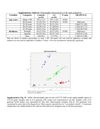 7 citations
,
July 2020 in “Immunological Investigations”
7 citations
,
July 2020 in “Immunological Investigations” The rs231775 genetic variant is linked to a higher risk and severity of Alopecia Areata in males.
A woman with a rare hair loss condition developed skin cancer in the bald area.
 17 citations
,
November 2017 in “PLoS ONE”
17 citations
,
November 2017 in “PLoS ONE” Transplanted bone marrow cells actively move, form clusters, and grow after transplantation.
 March 2009 in “Prenatal Diagnosis”
 Pregnancies in a woman with the Donohue mutation were managed with genetic testing, resulting in three healthy infants.