 July 2013 in “International Society of Hair Restoration Surgery”
 Effective storage of hair follicles is crucial for successful hair transplants, especially in patients with heart issues.
 May 2013 in “Trends in Urology & Men's Health”
 Male-pattern hair loss is normal, often involves hormone effects on hair follicles, and can be treated with medication or surgery, but new treatments are being researched.
 January 2012 in “Elsevier eBooks”
 Hair loss can cause emotional and social issues, and various treatments, including medication, surgery, and psychological support, are needed.
 August 2009 in “Journal of Oral and Maxillofacial Surgery”
 Hair transplantation and micrografting are effective for cosmetic facial enhancement, requiring careful technique and postoperative care for successful outcomes.
 August 2009 in “Journal of Oral and Maxillofacial Surgery”
 Hair transplantation and micrografting are effective for facial enhancement with nearly 100% graft survival when done carefully.
 August 2009 in “Journal of Oral and Maxillofacial Surgery”
 The document concludes that understanding hair loss patterns and careful surgical techniques are key for successful hair transplantation in oral and maxillofacial surgery.
 September 2007 in “Dermatologic Surgery”
 3% hydrogen peroxide does not reduce hair graft survival compared to saline.
 June 2002 in “Seminars in Cutaneous Medicine and Surgery”
 Using a microscope during hair transplants cuts damage to follicles in half and could improve hair growth.
 May 2002 in “Dermatologic Surgery”
 The method improves natural appearance in hair restoration by properly evaluating and treating the temporal peak region.
 November 1998 in “Journal of The European Academy of Dermatology and Venereology”
 A man's skin cancer improved and some of his hair grew back after treatment with a special light therapy and a medication.
 March 2021 in “PARIPEX INDIAN JOURNAL OF RESEARCH”
 Microneedling combined with platelet-rich plasma therapy is more effective for hair regrowth in androgenic alopecia than microneedling alone, but it's more painful.
 February 2021 in “Dermatological reviews”
 Nonablative radiofrequency therapy improves hair density, thickness, and growth rate.
 January 2021 in “Medicine Science | International Medical Journal”
 Men with early hair loss may have higher health risks similar to women with PCOS.
 July 2020 in “Journal of Cosmetic and Laser Therapy”
 Using your own platelet-rich plasma (PRP) can effectively treat hair loss, increasing hair density and width with no side effects.
 June 2020 in “Journal of Evolution of medical and Dental Sciences”
 Platelet Rich Plasma (PRP) treatment effectively reduces hair fall and increases hair growth in patients with Androgenetic Alopecia (AGA), but it may cause pain.
 January 2020 in “Medpulse International Journal of General Medicine”
 Trichoscopy helps diagnose and monitor hair loss, showing different signs at various stages of hair thinning.
 July 2019 in “Dermatología Cosmética, Médica y Quirúrgica”
 Small injections of dutasteride improved hair thickness in men with hair loss without major side effects.
 July 2019 in “International journal of contemporary medical research”
 Men with genetic hair loss are more likely to have abnormal blood lipid levels, especially if the hair loss is severe.
 June 2019 in “Brain Imaging and Behavior”
 Hair loss can indicate brain aging and potential small vessel disease, but more research is needed to understand the clinical impact.
 March 2019 in “European archives of medical research”
 Platelet-rich plasma injections are a cheap and effective way to reduce hair loss and improve hair quality in people with mild to moderate androgenetic alopecia.
 January 2019 in “Acta dermatovenerologica Alpina, Pannonica et Adriatica (Tiskana izd.)”
 Non-ablative radio frequency can potentially increase hair count in men with androgenetic alopecia, but some may be bothered by the smell during treatment.

Detailed history and physical examination are crucial for diagnosing hair loss.
 June 2017 in “Journal of The American Academy of Dermatology”
 Microneedling with PRP and minoxidil (5%) improves hair growth more than minoxidil (5%) alone.
 August 2015 in “Dermatologica Sinica”
 Men with severe hair loss may have poorer sperm quality.
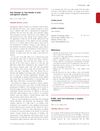 November 2014 in “British Journal of Dermatology”
 Hair loss is due to thinner hairs, not less hairs; hair diameter indicates balding progression and treatment effectiveness.
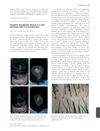 July 2011 in “British Journal of Dermatology”
 Hormone treatment caused hair loss, finasteride helped regrowth.
 January 2009 in “Egyptian Journal of Medical Human Genetics”
 The study suggests that a specific gene variation and higher gene activity are linked to increased baldness in Egyptian men.
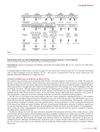 June 2007 in “Journal of Investigative Dermatology”
 Title change to "Central Centrifugal Cicatricial Alopecia (CCCA)"; common in African American women; hair-grooming methods may contribute; no effective therapy found; trials needed.
 14 citations
,
May 2014 in “Archives of plastic surgery”
14 citations
,
May 2014 in “Archives of plastic surgery” The position of the parietal whorl can predict safe donor areas for hair transplants in Korean men with male pattern baldness.
May 2026 in “International Journal of Homoeopathic Sciences” Homeopathy improved hair health and emotional well-being in severe female baldness.