July 2024 in “Journal of Investigative Dermatology” Low-dose oral minoxidil is safe for alopecia patients, even those prone to edema.

Male androgenetic alopecia (MAA) is a common, hereditary hair loss condition in men, linked to heart disease, and can be treated with minoxidil, finasteride, or hair transplantation.

Minoxidil may help with hair regrowth and disease stabilization in scarring alopecia, but side effects vary, needing more research for consistent safety and effectiveness.
 July 2023 in “Veterinary pathology”
 White-tailed deer can get a hair loss condition that might make them more vulnerable to environmental threats.
5 citations
,
January 2000 Pododermatitis in farmed mink is likely caused by an unknown infectious agent with secondary bacterial infection.
June 2025 in “OPAL (Open@LaTrobe) (La Trobe University)” Oral minoxidil can help with hair loss, but more research is needed to confirm its safety and effectiveness.
December 2025 in “Mendeley Data” December 2025 in “Mendeley Data”  54 citations
,
March 1987 in “Journal of The American Academy of Dermatology”
54 citations
,
March 1987 in “Journal of The American Academy of Dermatology” 3% topical minoxidil effectively treats extensive alopecia areata with few side effects.
23 citations
,
August 1987 in “PubMed” The ferret had hyperadrenocorticism and other health issues like heart, liver, and kidney problems.

The document aims to compare the effectiveness of different single treatments for male pattern hair loss.
 34 citations
,
December 1991 in “Annals of the New York Academy of Sciences”
34 citations
,
December 1991 in “Annals of the New York Academy of Sciences” The conclusion is that small hair follicles cause baldness in macaques, and treatments like antiandrogens and minoxidil can prevent hair loss and promote regrowth.
 19 citations
,
November 1993 in “Mammalian Genome”
19 citations
,
November 1993 in “Mammalian Genome” A gene mutation in mice causes permanent hair loss and skin issues.
40 citations
,
November 1966 in “Archives of Dermatology” Trichorrhexis nodosa is mainly caused by hair trauma and improves with gentler hair care.
The document concludes that Androgenic Alopecia is a type of hair loss, commonly known as baldness.
477 citations
,
March 2004 in “Proceedings of the National Academy of Sciences” The DMI3 gene is essential for nodule development and symbiosis in certain plants.
 51 citations
,
March 1987 in “Journal of The American Academy of Dermatology”
51 citations
,
March 1987 in “Journal of The American Academy of Dermatology” Minoxidil keeps most hair growth from first year and twice-daily use is better with few side effects.
30 citations
,
January 2024 in “Frontiers in Pharmacology” These migraine prevention drugs can cause side effects like constipation, hair loss, injection site reactions, fatigue, and sometimes unexpected issues like Raynaud's phenomenon and weight gain.
3 citations
,
November 1977 in “JAMA” Hair casts can be mistaken for lice, causing unnecessary stress.
 6 citations
,
June 2019 in “International Journal of Dermatology”
6 citations
,
June 2019 in “International Journal of Dermatology” Frontal fibrosing alopecia has occurred in two related male families.
1 citations
,
April 2025 in “Clinical Cosmetic and Investigational Dermatology” A rare skin lesion in a 64-year-old woman was successfully treated with a laser, showing minimal redness and no return after one month.
53 citations
,
October 2003 in “Genetics” The mK6irs1/Krt2-6g gene likely causes wavy hair in mice.
 1 citations
,
January 2018 in “Eastern Journal Of Medicine”
1 citations
,
January 2018 in “Eastern Journal Of Medicine” Topical minoxidil can cause serious heart issues in children.
February 2018 in “bioRxiv (Cold Spring Harbor Laboratory)” Rodent spiny hair traits are due to genetic factors other than the Edar gene.
8 citations
,
May 2003 in “Clinical and Experimental Dermatology” A 14-year-old girl's black hair showed unique color changes, suggesting early greying.
2 citations
,
January 2006 in “Indian Journal of Veterinary Pathology” Trichophyton mentagrophytes causes skin issues and nutrient deficiencies in young sheep, especially in winter.
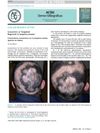 April 2016 in “Actas Dermo-Sifiliográficas”
 The document concludes that a unique target-like hair regrowth pattern in alopecia areata may be more common than thought and should be properly identified.
135 citations
,
March 2000 in “Journal of Biological Chemistry” Agouti and AGRP affect pigmentation and obesity, with implications for metabolic disorders.
15 citations
,
August 1988 in “Archives of Otolaryngology - Head and Neck Surgery” Minoxidil can cause excessive hair growth in the ear canal, leading to ear infections and hearing loss.

Unable to summarize as the text doesn't provide a conclusion.