 April 2018 in “The journal of investigative dermatology/Journal of investigative dermatology”
 Double-stranded RNA helps regenerate hair follicles by increasing retinoic acid production and signaling.
 January 2025 in “Dermatology Reports”
 Early and accurate diagnosis is crucial for managing rare genetic disorders like this localized variant of junctional epidermolysis bullosa.
5 citations
,
July 2017 in “International journal of endocrinology and metabolism/International journal of endocrinology and metabolism.” Two siblings with a genetic mutation had a form of rickets that doesn't respond to vitamin D.
4 citations
,
February 2023 in “Frontiers in Oncology” Nano-Pulse Stimulation™ Therapy is more effective and less damaging than cryoablation for treating melanoma tumors in mice.
 14 citations
,
April 2011 in “Journal of the American Academy of Dermatology”
14 citations
,
April 2011 in “Journal of the American Academy of Dermatology” Researchers found a gene mutation responsible for a rare hair loss condition.
24 citations
,
July 2014 in “Journal of Investigative Dermatology” Nagashima-type palmoplantar keratosis in Asians is caused by a SERPINB7 gene mutation.
 September 2022 in “Research Square (Research Square)”
 Increasing Rps14 helps grow more inner ear cells and repair hearing cells in baby mice.
10 citations
,
February 2022 in “Cancers” More research and guidelines are needed for managing prostate cancer in people with high-risk genetic mutations.
 3 citations
,
May 2022 in “The journal of investigative dermatology/Journal of investigative dermatology”
3 citations
,
May 2022 in “The journal of investigative dermatology/Journal of investigative dermatology” Skin lesions in Carney Complex are caused by a gene change in some skin cells that leads to increased pigmentation and may lead to tumors.
48 citations
,
January 2011 in “Neuropharmacology” Isolation stress in rats reduces brain enzyme levels, affecting dopamine function.
 April 2008 in “Expert review of dermatology”
 Mutations in the P2RY5 gene cause hereditary woolly hair.
 35 citations
,
May 2019 in “Frontiers in genetics”
35 citations
,
May 2019 in “Frontiers in genetics” Non-coding RNAs play key roles in the hair growth cycle of Angora rabbits.
 April 2017 in “The journal of investigative dermatology/Journal of investigative dermatology”
 Stress in hair follicle cells increases certain immune-related proteins, which might contribute to hair loss conditions.
 4 citations
,
December 2020 in “Mammalian genome”
4 citations
,
December 2020 in “Mammalian genome” Harlequin mutant mice have hair loss due to low AIF protein levels and retroviral element activity.
12 citations
,
January 2018 in “Journal of Clinical Laboratory Analysis” Certain IL-18 gene variations may increase the risk of alopecia areata.
 89 citations
,
August 2008 in “Human genetics”
89 citations
,
August 2008 in “Human genetics” The EDAR gene greatly affects hair thickness in Asian populations.
Certain genetic variations are linked to hair loss in Mexican men.
2 citations
,
July 2021 in “Genes” A specific genetic change in the KRT71 gene causes a hair loss condition in Hereford cattle.
 4 citations
,
June 2025 in “Medeniyet Medical Journal”
4 citations
,
June 2025 in “Medeniyet Medical Journal” TMPRSS2 is crucial for COVID-19 infection and is a potential target for treatment.
 1 citations
,
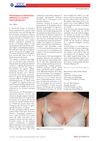
August 2012 in “Journal der Deutschen Dermatologischen Gesellschaft”
1 citations
,
August 2012 in “Journal der Deutschen Dermatologischen Gesellschaft” A woman's hyperandrogenism was caused by a genetic mutation leading to non-classic adrenogenital syndrome.
35 citations
,
March 2013 in “American Journal of Medical Genetics Part B Neuropsychiatric Genetics” SRD5A2 gene variations affect PTSD symptoms differently in males and females.
2 citations
,
September 2024 in “Asian Journal of Andrology” New SRD5A2 variants may disrupt protein function, aiding diagnosis and treatment of related disorders.
 December 2020 in “bioRxiv (Cold Spring Harbor Laboratory)”
 Stress can cause a type of hair loss in mice lacking the CCHCR1 gene.
 1 citations
,
October 2013 in “Our Dermatology Online”
1 citations
,
October 2013 in “Our Dermatology Online” 5α reductase type 2 enzyme mutation and oxidative stress may increase androgenetic alopecia risk in Egyptians.
DNA analysis can help tailor alopecia treatment.
MFN2 mutations cause mitochondrial problems, unusual fat distribution, and low leptin despite high body fat.
 March 2024 in “Dermatology and therapy (Internet)”
 Genetic factors could lead to personalized treatments for hair loss.
January 2007 in “Journal of Southwest University” The ND1 gene of the Asian black bear Sichuan subspecies is similar to other bear species.
 1 citations
,
September 2014 in “Hormones”
1 citations
,
September 2014 in “Hormones” Over a third of women thought to have non-classical congenital adrenal hyperplasia didn't have it confirmed by genetic tests.

The document concludes that the development of certain tumors is influenced by genetic background and that a specific gene modification can lead to tumor regression and reduced growth.