 April 2018 in “Journal of Investigative Dermatology”
 Basonuclin 1 (BNC1) helps skin cells multiply and move, which is crucial for wound healing.
July 2024 in “Journal of Investigative Dermatology” Wnt and SHH signals together influence hair follicle cell development, offering insights for hair loss treatment.
 27 citations
,
May 2018 in “Journal of Dermatological Science”
27 citations
,
May 2018 in “Journal of Dermatological Science” M2 macrophages, a type of immune cell, help in new hair growth on scars by producing growth factors.
 11 citations
,
October 2011 in “Allergologia et immunopathologia”
11 citations
,
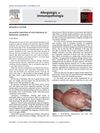
October 2011 in “Allergologia et immunopathologia” A girl with Netherton syndrome was able to eat wheat without allergies after a special treatment.
7 citations
,
December 2019 in “Experimental and Therapeutic Medicine” WNT10B affects hair growth by altering gene activity in hair cells.
 197 citations
,
June 2009 in “American journal of human genetics”
197 citations
,
June 2009 in “American journal of human genetics” WNT10A mutations often cause ectodermal dysplasias, with males showing more tooth issues than females.
 2 citations
,
July 2018 in “Our Dermatology Online”
2 citations
,
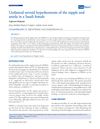
July 2018 in “Our Dermatology Online” Calcipotriol cream reduced skin thickening and itching in a rare nipple condition.
 23 citations
,
June 2015 in “Journal of Tissue Engineering and Regenerative Medicine”
23 citations
,
June 2015 in “Journal of Tissue Engineering and Regenerative Medicine” Wnt1a helps keep cells that can grow hair effective for potential hair loss treatments.
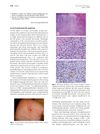
The study concludes that Twenty-nail dystrophy is more common in boys among children and in women among adults, with varying response to treatment.
 6 citations
,
February 2010 in “Journal of The American Academy of Dermatology”
6 citations
,
February 2010 in “Journal of The American Academy of Dermatology” A woman had a rare skin condition with recurring painful nodules that heal in 6 weeks, often without needing treatment.
 April 2018 in “Journal of Investigative Dermatology”
 Fat under the skin can help hair grow longer, darker, and increase cell growth.
January 2012 in “한국미용학회지” Applying conditioner in the middle of a perm process reduces hair damage the most.
 35 citations
,
February 2019 in “Cell Communication and Signaling”
35 citations
,
February 2019 in “Cell Communication and Signaling” BMP6 and Wnt10b control whether hair follicles are resting or growing.
 August 2020 in “Revista de chimie”
 Nitroglycerin ointment is now used to treat several skin conditions with fewer side effects.
6 citations
,
June 2021 in “EClinicalMedicine” ALRV5XR significantly improves hair density in women with hair loss and is well-tolerated.
 March 2012 in “Journal of The American Academy of Dermatology”
 White females have higher hair density, while Asian females have thicker hair in hair loss cases.
578 citations
,
April 1993 in “Cell” TGFα gene mutation in mice causes abnormal skin, wavy hair, curly whiskers, and sometimes eye inflammation.
 32 citations
,
January 2017 in “Orphanet journal of rare diseases”
32 citations
,
January 2017 in “Orphanet journal of rare diseases” FOXN1 gene mutations cause a rare, severe immune disease treatable with cell or tissue transplants.
 April 2016 in “Chinese Journal of Dermatology”
 Wnt10b can help regenerate hair follicles.
November 2022 in “Skin appendage disorders” The Spanish version of the WAA-QoL questionnaire is reliable and valid for assessing quality of life in women with hair loss.
1 citations
,
July 2017 in “Cancer Research” Overexpressing NSD3 in mice causes breast cancer-like tumors and gland abnormalities.
A rare genetic mutation causes Woodhouse-Sakati syndrome symptoms.
November 2024 in “Journal of Investigative Dermatology” Certain NK cell changes in blood may indicate alopecia areata progression.
 5 citations
,
September 2021 in “Journal of Medical Biochemistry”
5 citations
,
September 2021 in “Journal of Medical Biochemistry” wAMD patients have higher oxidative stress, suggesting antioxidant treatment may help.
 October 2025 in “Plastic & Reconstructive Surgery”
 MNC-QQ cell therapy improved hair growth and quality of life in men with androgenic alopecia without adverse effects.
 58 citations
,
April 2009 in “Dermatologic Surgery”
58 citations
,
April 2009 in “Dermatologic Surgery” Most women have a widow's peak and specific hairline features useful for designing hair restoration surgery.
 7 citations
,
November 2014 in “Histochemistry and Cell Biology”
7 citations
,
November 2014 in “Histochemistry and Cell Biology” The we/we wal/wal mice have defects in hair growth and skin layer formation, causing hair loss, useful for understanding alopecia.
6 citations
,
December 2021 in “Journal of Cancer Research and Therapeutics” The treatment improved survival and controlled cancer spread but required managing side effects like rashes.
58 citations
,
March 2019 in “Frontiers in Pharmacology” Wedelolactone may help treat lung fibrosis by reducing inflammation and lung damage.
March 2024 in “International journal of molecular sciences” taVNS reduces vitiligo symptoms in mice.