 71 citations
,
September 2006 in “Cell Transplantation”
71 citations
,
September 2006 in “Cell Transplantation” Fetal skin cells from a cell bank heal wounds faster and with less scarring than adult cells.
 71 citations
,
June 2006 in “Human Reproduction”
71 citations
,
June 2006 in “Human Reproduction” Women with PCOS who have low SHBG are more likely to have low good cholesterol and metabolic syndrome.
 69 citations
,
September 2006 in “Human Reproduction”
69 citations
,
September 2006 in “Human Reproduction” Women with PCOS have fewer activated T cells in their ovarian follicles, which might affect fertility.
 67 citations
,
July 2006 in “Clinics in Dermatology”
67 citations
,
July 2006 in “Clinics in Dermatology” Androgens cause skin issues like acne and hair growth in women, often due to PCOS, and can be treated with medication and lifestyle changes.
 62 citations
,
April 2013 in “Steroids”
62 citations
,
April 2013 in “Steroids” PCOS symptoms change with age; younger women have higher androgen levels and less metabolic issues, while older women face more metabolic challenges despite milder PCOS symptoms.
 57 citations
,
August 1995 in “British Journal of Dermatology”
57 citations
,
August 1995 in “British Journal of Dermatology” Acne severity is linked to higher levels of certain androgenic hormones, even when those levels are within the normal range.
 53 citations
,
February 2022 in “The Journal of clinical endocrinology and metabolism/Journal of clinical endocrinology & metabolism”
53 citations
,
February 2022 in “The Journal of clinical endocrinology and metabolism/Journal of clinical endocrinology & metabolism” AMH helps estimate ovarian reserve but doesn't predict pregnancy chances; age is more important.
 53 citations
,
January 2012 in “Fertility and Sterility”
53 citations
,
January 2012 in “Fertility and Sterility” Women with PCOS are more likely to have sleep apnea, mainly if they are obese.
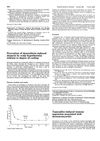 53 citations
,
June 1982 in “The BMJ”
53 citations
,
June 1982 in “The BMJ” Cooling the scalp below 22°C before and during chemotherapy can help prevent hair loss.
 52 citations
,
January 1995 in “The Journal of Clinical Endocrinology and Metabolism”
52 citations
,
January 1995 in “The Journal of Clinical Endocrinology and Metabolism” Finasteride and spironolactone both reduce hirsutism, but finasteride lowers androgen levels more.
 50 citations
,
May 2000 in “Fertility and Sterility”
50 citations
,
May 2000 in “Fertility and Sterility” Flutamide reduces hair growth better but has more side effects.
 50 citations
,
July 1996 in “Fertility and Sterility”
50 citations
,
July 1996 in “Fertility and Sterility” Finasteride effectively treats hirsutism in women, but more research needed for long-term results.
 50 citations
,
August 1985 in “Journal of steroid biochemistry/Journal of Steroid Biochemistry”
50 citations
,
August 1985 in “Journal of steroid biochemistry/Journal of Steroid Biochemistry” Spironolactone reduces the enzyme activity that converts testosterone to DHT, helping treat excessive hair growth in women.
 49 citations
,
January 2010 in “International Journal of Pediatric Endocrinology”
49 citations
,
January 2010 in “International Journal of Pediatric Endocrinology” The document concludes that Nonclassic Congenital Adrenal Hyperplasia requires personalized treatment plans to manage symptoms and fertility, with glucocorticoids being a common therapy.
 49 citations
,
June 1998 in “Journal of Endocrinological Investigation”
49 citations
,
June 1998 in “Journal of Endocrinological Investigation” Cyproterone acetate plus ethinyl estradiol is generally more effective in treating hirsutism, but consider side effects and patient characteristics.
 49 citations
,
August 1996 in “The Journal of Clinical Endocrinology and Metabolism”
49 citations
,
August 1996 in “The Journal of Clinical Endocrinology and Metabolism” The combination of cyproterone acetate and testosterone enanthate is highly effective in preventing sperm production and could be a good reversible male contraceptive.
 48 citations
,
February 2014 in “Fertility and Sterility”
48 citations
,
February 2014 in “Fertility and Sterility” Women with PCOS often have hair loss, which is linked to acne or excess body hair but not to worse hormone or metabolic issues.
 48 citations
,
February 2013 in “Molecular and Cellular Endocrinology”
48 citations
,
February 2013 in “Molecular and Cellular Endocrinology” The protein StAR is found in 17 different organs and can affect hair loss and brain functions, but its full role is not yet fully understood.
 46 citations
,
June 2015 in “Fertility and Sterility”
46 citations
,
June 2015 in “Fertility and Sterility” Insulin resistance is significantly linked to a higher risk of depression in women with PCOS.
 46 citations
,
January 2008 in “Climacteric”
46 citations
,
January 2008 in “Climacteric” Testosterone therapy can help improve sexual desire and function in postmenopausal women but may cause side effects and is not FDA-approved for this use.
 46 citations
,
December 2007 in “International Journal of Cardiology”
46 citations
,
December 2007 in “International Journal of Cardiology” People with polycystic ovary syndrome may have a higher risk of heart problems due to abnormal nervous system control of their heart and blood pressure.
 44 citations
,
January 2008 in “Fertility and Sterility”
44 citations
,
January 2008 in “Fertility and Sterility” Longer CAG repeat lengths in the androgen receptor gene are linked to higher testosterone levels in women with PCOS.
 43 citations
,
July 2012 in “Molecular human reproduction”
43 citations
,
July 2012 in “Molecular human reproduction” Certain metabolites are lower in women with PCOS and could be potential markers for the condition.
 42 citations
,
August 2017 in “Human Reproduction”
42 citations
,
August 2017 in “Human Reproduction” Women with polycystic ovary syndrome tend to have a longer distance between the clitoris and anus.
 42 citations
,
June 2015 in “Gynecological Endocrinology”
42 citations
,
June 2015 in “Gynecological Endocrinology” Women with PCOS often have mood disorders and a lower quality of life, and treatment should focus on both physical and mental health.
 42 citations
,
February 1985 in “Journal of the American Academy of Dermatology”
42 citations
,
February 1985 in “Journal of the American Academy of Dermatology” Excessive hair growth can be assessed by history, exam, and blood tests, and treated with medication like dexamethasone, birth control pills, and spironolactone.
 40 citations
,
February 2005 in “Fertility and Sterility”
40 citations
,
February 2005 in “Fertility and Sterility” Some women with PCOS have CYP21 mutations and IRS1 variants, but these genetic factors are not major contributors to PCOS.
 38 citations
,
January 2011 in “Endocrine Journal”
38 citations
,
January 2011 in “Endocrine Journal” Weight loss and metformin don't significantly change vaspin levels in women with PCOS.
 38 citations
,
June 2004 in “Human Reproduction”
38 citations
,
June 2004 in “Human Reproduction” The document suggests that clinical trials for PCOS should focus on meaningful primary outcomes like live birth rates, rather than less reliable surrogate markers.
 36 citations
,
May 2011 in “The Journal of Clinical Endocrinology & Metabolism”
36 citations
,
May 2011 in “The Journal of Clinical Endocrinology & Metabolism” Treatment with a hormone agonist can reduce excess male hormones in postmenopausal women without surgery.