 2 citations
,
July 2013 in “InTech eBooks”
2 citations
,
July 2013 in “InTech eBooks” Scalp biopsy helps tell apart permanent and temporary hair loss types and guides treatment.
 2 citations
,
January 1980 in “Acupuncture & electro-therapeutics research”
2 citations
,
January 1980 in “Acupuncture & electro-therapeutics research” Hair loss might be due to nerve issues, treatable with electric stimulation or acupuncture.
 1 citations
,
October 2023 in “Clinical, cosmetic and investigational dermatology”
1 citations
,
October 2023 in “Clinical, cosmetic and investigational dermatology” Traditional treatment for pediatric alopecia areata is most effective and should be first choice.
 1 citations
,
January 2021 in “Skin appendage disorders”
1 citations
,
January 2021 in “Skin appendage disorders” A woman with alopecia regrew her hair after taking a higher dose of tocilizumab.
 1 citations
,
May 2017 in “InTech eBooks”
1 citations
,
May 2017 in “InTech eBooks” Hair loss in Androgenetic alopecia (AGA) is due to altered cell sensitivity to hormones, not increased hormone levels. Hair growth periods shorten over time, causing hair to become thinner and shorter. This is linked to miscommunication between cell pathways in hair follicles. There's also a change in gene expression related to blood vessels and cell growth in balding hair follicles. The exact molecular causes of AGA are still unclear.
 1 citations
,
January 2017 in “Springer eBooks”
1 citations
,
January 2017 in “Springer eBooks” Understanding the immune-related causes of Alopecia Areata has led to potential treatments like JAK inhibitors.
 1 citations
,
January 2013 in “Elsevier eBooks”
1 citations
,
January 2013 in “Elsevier eBooks” The document reviews various hair and nail disorders, their causes, and treatments, emphasizing the need for proper diagnosis and the link between nail changes and systemic diseases.
 1 citations
,
August 2011 in “Dermatology Reports”
1 citations
,
August 2011 in “Dermatology Reports” Two siblings were found to have a genetic condition causing progressive hair loss and woolly hair, which may often be misdiagnosed.
 1 citations
,
November 2002 in “Neurosurgery Clinics of North America”
1 citations
,
November 2002 in “Neurosurgery Clinics of North America” The article concludes that cranial reconstruction should aim for the best aesthetic result, using various techniques tailored to individual needs and conditions.
 1 citations
,
April 1995 in “Annals of Plastic Surgery”
1 citations
,
April 1995 in “Annals of Plastic Surgery” The Mercedes incision is a new hair restoration technique that creates a more natural look and has a high success rate.

A rare genetic mutation causes Woodhouse-Sakati syndrome symptoms.
 July 2025 in “Journal of Medical Science And clinical Research”
 A 21-year-old male has a rare scalp condition with excessive skin folds.
 July 2025 in “International Journal of Homoeopathic Sciences”
 Homeopathy helped an 8-year-old girl regrow her hair in 4 months.
 July 2024 in “Plastic and Aesthetic Research”
 Careful planning and accurate diagnosis are crucial for successful hair restoration surgery.
 May 2024 in “AlQalam Journal of Medical and Applied Sciences”
 Salmon patches on the neck may relate to the severity and recurrence of alopecia areata.
 January 2023 in “Journal of Cutaneous and Aesthetic Surgery”
 Follicular unit extraction can effectively treat a specific type of vitiligo.
 July 2022 in “SKIN The Journal of Cutaneous Medicine”
 A new lotion with halobetasol and tazarotene successfully treats acne keloidalis nuchae.
 January 2022 in “International journal of pharmaceutical sciences review and research”
 Herbal cosmetics are becoming more popular because they are safer, have fewer side effects, and offer health benefits.
 February 2021 in “International journal of research in dermatology”
 A boy's hair, nails, and skin improved after 6 months of steroid treatment.
January 2020 in “International journal of scientific research” Dermoscopy shows that varying hair shaft thickness and single hair follicles are main signs of male pattern baldness, especially in the fronto-temporal region.
 January 2017 in “Springer eBooks”
 Over 40% of postmenopausal women experience hair loss, with treatments aiming to stop further loss and possibly thicken hair.
 December 2016 in “Springer eBooks”
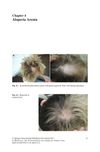
 A 45-year-old woman with autoimmune diseases experienced patchy hair loss due to alopecia areata, which has no cure but can be treated, with varying success.
 December 2012 in “Drugs & Therapy Perspectives”
 Doctors use their experience to choose treatments for scarring hair loss because it's hard to diagnose and treat.
 January 2009 in “Indian Journal of Plastic Surgery”
 Surgical methods for hair loss due to scarring should be chosen based on the size, location, and shape of the area, with most patients seeing good results.
 January 2007 in “Dermatologic Surgery”
 A new scalp surgery technique leads to significantly thinner scars.
 May 2006 in “Dermatologic Surgery”
 Most nonbald men's multi-hair follicles are naturally positioned perpendicular to a line from the scalp's crown, which is important for natural-looking hair transplants.
 May 2003 in “Facial Plastic Surgery Clinics of North America”
 Hair loss can be treated with medications like minoxidil and finasteride or surgery, but treatment effectiveness varies by alopecia type and accurate diagnosis is important.
 July 2002 in “Dermatologic Surgery”
 Understanding the scalp's five-layer structure is crucial for better surgical outcomes and fewer complications.
 June 1999 in “Proceedings of SPIE”
 The CO₂ laser is better for hair transplantation because it causes less damage than the Ho:YAG laser.
 October 2017 in “Journal of The European Academy of Dermatology and Venereology”
 Stem cells preservation in AGA could be a potential therapy, but more cases needed.