 20 citations
,
September 2016 in “Journal der Deutschen Dermatologischen Gesellschaft”
20 citations
,
September 2016 in “Journal der Deutschen Dermatologischen Gesellschaft” Germany recognizes skin cancer from UV exposure as an occupational disease, emphasizing prevention and care for affected workers.
 August 2000 in “Australasian Journal of Dermatology”
 The document suggests "Occupational Skin Disease" is a useful standard text, finds "The Clinical Management of Itching" poorly organized, recommends "Atlas of Contact Dermatitis" for its illustrations, and values "Handbook of Diseases of the Hair and Scalp" for its information despite flaws.
 16 citations
,
March 2013 in “International Journal of Dermatology”
16 citations
,
March 2013 in “International Journal of Dermatology” Immigrant Latino workers in North Carolina, especially in poultry processing, often have skin diseases like fungal infections and acne.
Certain biomarkers can help distinguish between irritant and allergic contact dermatitis.
 19 citations
,
May 2005 in “Archives of Environmental & Occupational Health”
19 citations
,
May 2005 in “Archives of Environmental & Occupational Health” All immigrant workers in the study had skin problems, with fungal nail infections, athlete's foot, and acne or folliculitis being most common, affecting their quality of life, yet they didn't seek medical help.
 June 2017 in “International Journal of Research in Dermatology”
 Skin problems in Timbi were linked to jobs, education, and often improved by treating related health issues, but were worsened by steroid misuse.
 4 citations
,
March 2006 in “Archives of Dermatology”
4 citations
,
March 2006 in “Archives of Dermatology” The conclusion is that dermatologists can improve women's skin health but must overcome cultural and economic barriers to do so.
 November 2013 in “Annales de Dermatologie et de Vénéréologie”
 Cinnamon essential oil can cause severe or unusual skin reactions, with cinnamaldehyde being the main allergen.
 1 citations
,
June 2013 in “Medicine”
1 citations
,
June 2013 in “Medicine” A thorough skin history and full examination are important for diagnosing and understanding the impact of skin diseases.
 December 2004 in “Medicine”
 A thorough history and examination are crucial for diagnosing skin diseases, which affect up to a third of people. This includes details about skin lesions, medication, general health, lifestyle, family, and contacts, as well as examining the rash, hair, nails, and mucous membranes. Changes in hair and nails can also indicate other medical and skin disorders.
Personal and environmental factors influence skin diseases.
 2 citations
,
October 2021 in “Journal of skin and stem cell”
2 citations
,
October 2021 in “Journal of skin and stem cell” Nail disorders are often related to jobs like housework and manual labor, with cosmetic issues being the main concern, and are commonly caused by skin diseases like psoriasis.
 January 2023 in “Research Square (Research Square)”
 Many workers in mines, textile, and food factories have skin mites, with textile workers having the most, and women more than men.
 14 citations
,
September 2009 in “International Journal of Dermatology”
14 citations
,
September 2009 in “International Journal of Dermatology” DCPA is a chronic leg infection often related to Staphylococcus aureus, affecting mostly young men in India.
 July 2003 in “Journal of Cutaneous Medicine and Surgery”
 Some medications can improve skin conditions, while lifestyle factors like smoking and drinking may worsen them; treatments like monoclonal antibodies and imiquimod cream show promise for certain skin diseases.
 July 2003 in “Journal of Cutaneous Medicine and Surgery”
 Skin problems are common in Bangladesh due to arsenic, prompt treatment of diabetic foot ulcers is crucial, maternal transmission causes most neonatal herpes, treatments for pediatric vasculitis are effective, the chickenpox vaccine works, more frequent UVB therapy helps psoriasis, certain jobs increase hand dermatitis risk, monoclonal antibodies treat psoriasis well, lifestyle affects psoriasis, alefacept improves psoriasis, imiquimod cream partially clears basal cell carcinoma, and iron may not help chronic hair loss.
 25 citations
,
July 2021 in “Journal of Medical Virology”
25 citations
,
July 2021 in “Journal of Medical Virology” COVID-19 can cause various skin issues, including rashes and hair loss, which usually heal on their own and don't always indicate severe illness.
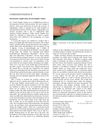 May 2002 in “British Journal of Dermatology”
 A pregnant woman's skin condition improved after giving birth, possibly due to high estrogen levels during pregnancy.
 September 2016 in “Annals of occupational and environmental medicine”
 Cleanroom workers in a battery factory have worse skin and eye conditions due to the very dry environment.
 28 citations
,
January 2006 in “Journal of agricultural safety and health”
28 citations
,
January 2006 in “Journal of agricultural safety and health” Most Latino farmworkers in the study had skin diseases, with fungal infections being the most common.
 73 citations
,
January 2013 in “European journal of dermatology/EJD. European journal of dermatology”
73 citations
,
January 2013 in “European journal of dermatology/EJD. European journal of dermatology” Antioxidants may help fight oxidative stress linked to autoimmune skin diseases.
 2 citations
,
January 2020 in “American Journal of Clinical Research and Reviews”
2 citations
,
January 2020 in “American Journal of Clinical Research and Reviews” All skin diseases might start in hair follicles.
 9 citations
,
June 2017 in “Journal of Dermatology and Dermatologic Surgery”
9 citations
,
June 2017 in “Journal of Dermatology and Dermatologic Surgery” The most common skin diseases in Hail, Saudi Arabia, are eczema and acne, with more women affected than men.
 43 citations
,
June 2018 in “Clinics in dermatology”
43 citations
,
June 2018 in “Clinics in dermatology” People with atopic dermatitis are more likely to develop other skin conditions due to shared genetics and immune pathways.
 70 citations
,
May 2014 in “JAMA Dermatology”
70 citations
,
May 2014 in “JAMA Dermatology” The representation of skin conditions in medical reviews partly matches their real-world impact.
 8 citations
,
September 2016 in “Reviews in Endocrine and Metabolic Disorders”
8 citations
,
September 2016 in “Reviews in Endocrine and Metabolic Disorders” Skin health and diseases are closely linked to metabolic processes.
 July 2015 in “Journal of evolution of medical and dental sciences”
 The most common skin diseases found were contact dermatitis, scabies, fungal infections, urticaria, and acne, highlighting the need for better public health policies and awareness.
 January 2023 in “Frontiers research topics”
 Skin conditions can cause significant psychological distress, so addressing mental health is crucial for improving quality of life.
 295 citations
,
March 2016 in “Life Sciences”
295 citations
,
March 2016 in “Life Sciences” Air pollution worsens skin diseases and aging by causing inflammation and oxidative stress.
 15 citations
,
March 2014 in “General Hospital Psychiatry”
15 citations
,
March 2014 in “General Hospital Psychiatry” Patients with schizophrenia have a high rate of skin diseases, with fungal infections and dermatitis being most common, and those on clozapine have a lower risk of fungal infections.