18 citations
,
April 1989 in “Archives of Dermatology” Iron deficiency can cause hair color changes, which can be reversed with iron supplements.
4 citations
,
November 2020 in “Case reports in dermatology” A rare skin condition causes red, dark, bumpy facial lesions.
9 citations
,
October 1995 in “Clinical Dysmorphology” The family has a unique form of ectodermal dysplasia similar to Clouston syndrome but with different hair and skin symptoms.
2 citations
,
May 2020 in “The journal of investigative dermatology/Journal of investigative dermatology” A TP63 gene mutation causes significant hair loss and mild skin, nail, and tooth abnormalities.
July 2025 in “Dermatologic Surgery” 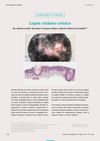 January 2024 in “Revista Dermatológica Centro Uraga”
 The patient has Chronic Cutaneous Lupus, a skin condition causing plaques and hair loss.
 January 2022 in “Consultant”
 The man's occipital hair loss was due to temporal triangular alopecia, not alopecia areata.
 August 2016 in “Journal of the Portuguese Society of Dermatology and Venereology”
 Two women with darker skin had both frontal hair thinning and skin discoloration.
38 citations
,
June 2005 in “International Journal of Dermatology” A man with nevus comedonicus syndrome had multiple skin issues, including basal cell carcinomas, which improved with treatment.
44 citations
,
July 2013 in “Journal of the American Academy of Dermatology” Poliosis circumscripta is a patch of white hair caused by lack of melanin, linked to genetic and acquired conditions.
21 citations
,
August 2002 in “British Journal of Ophthalmology” Drug misuse can cause serious eye infections and other severe side effects.
 February 2010 in “Journal of the American Academy of Dermatology”
 Umbilical cord blood transplantation improved the boy's symptoms despite complications.
 3 citations
,
January 2021 in “Skin appendage disorders”
3 citations
,
January 2021 in “Skin appendage disorders” Hair color is not a risk factor for developing alopecia areata.
21 citations
,
January 2007 in “Journal of the European Academy of Dermatology and Venereology” Travoprost can help eyelash growth but may cause darkening around the eyes.
12 citations
,
March 2004 in “Journal of Investigative Dermatology” July 2023 in “International Journal of Trichology” The man's hair turned white suddenly but returned to normal on its own in 6 months.
1 citations
,
April 2016 in “Journal of the American Academy of Dermatology” Autoimmune conditions can be linked to trichoepitheliomas, with treatment focusing on cosmetic concerns.
July 2004 in “TSpace (University of Toronto)” A rare case showed alopecia areata and lichen planus occurring together in one person.
 13 citations
,
September 2011 in “Archives of dermatology”
13 citations
,
September 2011 in “Archives of dermatology” A patient with steroid sulfatase deficiency had a unique hair pattern and a brain malformation not previously linked to the condition.
5 citations
,
February 2012 in “Australasian Journal of Dermatology” Two red-haired men with alopecia areata regrew black hair instead of red.
12 citations
,
March 2018 in “F1000Research” Dermoscopy can help diagnose oral lichen planus by identifying specific patterns.
November 2012 in “Annales de Dermatologie et de Vénéréologie” Frontal fibrosing alopecia can occur in children, not just postmenopausal women.
October 1966 in “Archives of Dermatology” A 19-year-old female with alopecia universalis experienced total hair loss, and previous treatments were ineffective.
May 2025 in “Indian Dermatology Online Journal” Trichoscopy is crucial for diagnosing rare genetic hair disorders.
1 citations
,
April 2021 in “Annals of Otology Rhinology & Laryngology” Surgical removal is advised for large congenital blue nevi due to rare cancer risk.
 June 2023 in “Journal of Drugs in Dermatology”
 Doctors should use thorough examinations and more research to better diagnose alopecia in patients with skin of color.
 April 2018 in “bioRxiv (Cold Spring Harbor Laboratory)”
 A gene variant causes patched hair loss in mice, similar to alopecia areata in humans.
12 citations
,
June 2006 in “Pediatric blood & cancer” A 16-year-old boy had pernicious anemia, autoimmune hemolytic anemia, and later developed alopecia areata.
21 citations
,
August 2002 in “British Journal of Ophthalmology” Intralesional cidofovir may be a viable alternative treatment for SCC.
February 2013 in “Journal of the American Academy of Dermatology”