 June 2006 in “British Journal of Dermatology”
 Lower adrenal hormone levels may cause hair loss in postmenopausal women, certain patterns help diagnose nail cancer, and a gene variant linked to higher skin cancer risk in kidney transplant patients suggests monitoring folate levels.
 May 2006 in “Women's Health Medicine”
 Excessive hair growth in women, often from high androgen levels, is usually caused by PCOS, and can be treated with hair removal, medication, and possibly weight loss.
 July 2005 in “SKINmed/Skinmed”
 BRL 7660, once studied for male contraception, showed promise as an acne treatment but was not developed further due to competing drugs.

The document concludes that Syndromes of Severe Insulin Resistance are rare disorders with limited treatment options.
 November 2004 in “John Wiley & Sons, Ltd eBooks”
 Insulin resistance is linked to PCOS and can lead to other health issues, but treatments like metformin can help manage symptoms.

Spironolactone with an oral contraceptive improved hair growth in women with hirsutism.
 January 2003 in “Elsevier eBooks”
 Androgens and other hormones affect hair growth and skin conditions like acne.
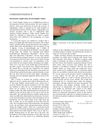 May 2002 in “British Journal of Dermatology”
 A pregnant woman's skin condition improved after giving birth, possibly due to high estrogen levels during pregnancy.
 December 2000 in “Journal of the Royal Society of Medicine”
 Antiandrogen therapy may help treat hidradenitis suppurativa.
 January 1993 in “Side effects of drugs annual”
 Natural products like propolis are causing more skin allergies, and certain skin treatments and medications have various side effects and risks.
 January 1989 in “Clinical and Experimental Dermatology”
 The symposium concluded that hair growth involves complex processes, including the hair follicle life cycle, the role of the dermal papilla, hair strength, pigmentation, and the impact of diseases and treatments like minoxidil on hair and skin.
 January 1983 in “Elsevier eBooks”
 Cyproterone acetate is used to treat conditions like prostate cancer, early puberty, excessive sexual drive, and female androgenization by affecting androgen functions and suppressing certain hormones.
 January 1953 in “The Lancet”
 Cortisone may help hair regrow by altering the local environment, with regrowth starting 3-4 weeks after treatment, but its use is not widely recommended.
 January 1953 in “The Lancet”
 Alopecia areata's causes are unclear, treatments exist but relapses are common.
 November 2020 in “Postepy Dermatologii I Alergologii”
 Sulfotransferase SULT1A1 activity may predict minoxidil treatment success for hair loss.
 November 2020 in “Skin Research and Technology”
 Videodermoscopy better identifies female hair loss than clinical diagnosis.

AGA causes permanent hair loss; women use 2% minoxidil, men use 1 mg finasteride daily.
 May 2013 in “Journal of the Egyptian Women's Dermatologic Society (Print)”
 High aldosterone and free testosterone levels link to female hair loss; testing aldosterone may predict hypertension risk.
 January 2009 in “Egyptian Journal of Medical Human Genetics”
 The study suggests that a specific gene variation and higher gene activity are linked to increased baldness in Egyptian men.
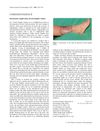 May 2002 in “British Journal of Dermatology”
 Hair loss caused by longer latent hair cycle and sudden miniaturization, not gradual follicle size reduction.
September 2020 in “Eureka: Health Sciences” The emulgel with specific ingredients was effective for treating hair loss.
 36 citations
,
May 2017 in “The journal of sexual medicine”
36 citations
,
May 2017 in “The journal of sexual medicine” Cyproterone acetate treatment is safe and causes mild feminization, which increases with added estrogen.
164 citations
,
January 2003 in “Drugs” 22 citations
,
January 2019 in “Climacteric” Oophorectomy lowers testosterone and estrogen levels in both premenopausal and postmenopausal women, with postmenopausal women still producing significant testosterone.
March 2020 in “Upravlìnnâ, ekonomìka ta zabezpečennâ âkostì v farmacìï” The "Flavosterol" emulgel meets quality standards for treating hair loss.
4 citations
,
February 2009 in “Obstetrical & Gynecological Survey” Testosterone patches can modestly improve sexual function in postmenopausal women not on estrogen therapy.
 December 2025 in “Pakistan Journal of Health Sciences”
 Estrogen deficiency in postmenopausal women can cause skin and hair issues, but local estrogen therapies help improve vaginal health.
5 citations
,
January 2022 in “Asian Journal of Pharmaceutical and Clinical Research” Emulgels are effective for delivering skin medications and cosmetics due to their easy application and controlled release.
 87 citations
,
March 2014 in “Biochimica et Biophysica Acta (BBA) - Molecular and Cell Biology of Lipids”
87 citations
,
March 2014 in “Biochimica et Biophysica Acta (BBA) - Molecular and Cell Biology of Lipids” Cholesterol sulfate buildup due to a genetic mutation disrupts the skin barrier, leading to the scaling skin seen in X-linked ichthyosis.
 40 citations
,
October 2002 in “Endocrinology”
40 citations
,
October 2002 in “Endocrinology” Vitamin D3 analogs can promote hair growth in mice genetically prone to hair loss.