 January 2003 in “Elsevier eBooks”
 Androgens and other hormones affect hair growth and skin conditions like acne.
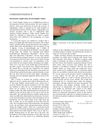 May 2002 in “British Journal of Dermatology”
 A pregnant woman's skin condition improved after giving birth, possibly due to high estrogen levels during pregnancy.
 March 1987 in “Journal of The American Academy of Dermatology”
 Oral spironolactone and isotretinoin are effective for treating acne.
January 2015 in “Hair transplant forum international” Female pattern hair loss is different from male pattern hair loss and has unclear genetic causes.
 July 2010 in “British Journal of Dermatology”
 Hair loss in women may have multiple causes, and eyebrow regrowth possible with specific injections.
 176 citations
,
August 2000 in “The Journal of clinical endocrinology and metabolism/Journal of clinical endocrinology & metabolism”
176 citations
,
August 2000 in “The Journal of clinical endocrinology and metabolism/Journal of clinical endocrinology & metabolism” Hormone treatments in transsexual individuals reduce hair growth and oil production in male-to-females and increase them in female-to-males.
 76 citations
,
May 2007 in “Menopause International”
76 citations
,
May 2007 in “Menopause International” After menopause, women lose a lot of skin collagen, but estrogen replacement might improve skin health.
 69 citations
,
February 1983 in “Gut”
69 citations
,
February 1983 in “Gut” Men with coeliac disease may have hormone imbalances that could affect sexual function, but these can improve with better gut health.
 43 citations
,
August 2016 in “Scientific Reports”
43 citations
,
August 2016 in “Scientific Reports” Cinnamomi cortex may help treat prostate enlargement by reducing related proteins.
 34 citations
,
November 2017 in “Gynecological Endocrinology”
34 citations
,
November 2017 in “Gynecological Endocrinology” A transwoman developed a brain tumor after nine years of hormone therapy, suggesting a possible link between the treatment and tumor development.
25 citations
,
April 1988 in “Geburtshilfe und Frauenheilkunde” Treatment balancing hormones stopped hair loss in most women with androgenetic alopecia.
 24 citations
,
May 2010 in “Hautarzt”
24 citations
,
May 2010 in “Hautarzt” Different hormones affect hair growth and conditions, with some causing hair loss and others promoting it.
 13 citations
,
August 1980 in “Cancer”
13 citations
,
August 1980 in “Cancer” Multimodal primary treatment improves survival in premenopausal breast cancer patients and is also beneficial for postmenopausal women.
 11 citations
,
September 2000 in “JEADV. Journal of the European Academy of Dermatology and Venereology/Journal of the European Academy of Dermatology and Venereology”
11 citations
,
September 2000 in “JEADV. Journal of the European Academy of Dermatology and Venereology/Journal of the European Academy of Dermatology and Venereology” The document concludes that awareness and understanding of hidradenitis suppurativa are increasing, but effective treatments are still needed.
 9 citations
,
April 2019 in “Molecules”
9 citations
,
April 2019 in “Molecules” Blackcurrant extract may help reduce hair loss by promoting stem cell activity in hair follicles.
 8 citations
,
February 2009 in “Current Women's Health Reviews”
8 citations
,
February 2009 in “Current Women's Health Reviews” Testosterone treatment can improve sexual function and bone density in women but may have adverse effects and requires more research on safety and guidelines.
 5 citations
,
September 2011 in “Andrologia”
5 citations
,
September 2011 in “Andrologia” Finasteride use may be linked to rare testicular tumor, but more research needed.
 2 citations
,
January 1986 in “Dermatology”
2 citations
,
January 1986 in “Dermatology” A woman with Kallman's syndrome also developed alopecia universalis, a condition not previously linked to Kallman's.
 1 citations
,
July 2011 in “Climacteric”
1 citations
,
July 2011 in “Climacteric” Long-term estrogen therapy in postmenopausal women can improve certain health markers, hair loss is common regardless of hormone use, stopping estrogen doesn't increase breast cancer risk, smoking does, and a balanced BMI is linked to lower mortality.
 June 2023 in “The journal of sexual medicine”
 The treatment helped a transgender woman stop drinking, improved her mental health, and reduced her gender dysphoria.
 March 2013 in “Journal für Kardiologie (Krause & Pachernegg GmbH)”
 Hormones significantly affect hair growth and loss, with potential for new treatments.
 October 2007 in “Postgraduate obstetrics & gynecology”
 Testosterone therapy can help with androgen deficiency in women but should be used with caution and monitoring due to potential risks.
 October 2007 in “Postgraduate obstetrics & gynecology”
 Testosterone therapy can help postmenopausal women with low sexual desire but needs more safety research and should be used with estrogen therapy.
November 1993 in “PubMed” Hirsutism, excessive male-pattern hair in women, can be caused by high androgens or skin sensitivity, diagnosed by testosterone levels, and treated with hair removal and hormone therapy.

Cyproterone acetate with ethynyl estradiol significantly improved acne and seborrhea in women, but was less effective for hair loss and excessive hair growth.

Androgenetic alopecia, or hair loss, is caused by genetic factors and hormones, with different mechanisms in men and women, and can be linked to insulin resistance and polycystic ovary syndrome.
 228 citations
,
January 2021 in “Journal of Neuroimmune Pharmacology”
228 citations
,
January 2021 in “Journal of Neuroimmune Pharmacology” Men have more severe COVID-19 outcomes than women.
 223 citations
,
January 2014 in “International Journal of Molecular Sciences”
223 citations
,
January 2014 in “International Journal of Molecular Sciences” The conclusion is that proper signaling is crucial for hair growth and development, and errors can lead to cancer or hair loss.
 185 citations
,
August 2020 in “Mayo Clinic Proceedings”
185 citations
,
August 2020 in “Mayo Clinic Proceedings” Men are more likely to have severe COVID-19 cases and fatalities than women due to factors like lifestyle, aging, and biological differences.
 177 citations
,
July 2004 in “The Journal of Sexual Medicine”
177 citations
,
July 2004 in “The Journal of Sexual Medicine” Experts recommend thorough medical, sexual, and psychosocial assessments for women's sexual dysfunctions, and suggest individualized treatment plans with regular check-ups. They also mention potential use of estrogen and androgen therapy, but with caution due to safety concerns.