 July 2024 in “Biological and Clinical Sciences Research Journal”
 Hormonal therapy for transgender individuals carries health risks but is a personal choice.
 February 2024 in “PloS one”
 Nutraceuticals that promote hair growth do not reduce tamoxifen's effectiveness in breast cancer treatment.
 February 2024 in “Biomedicines”
 Hormones like androgens, estrogen, thyroid hormones, and stress hormones can contribute to hair loss, and treatments target these hormonal imbalances.
 September 2023 in “Gynäkologische Endokrinologie”
 Menopause causes skin and hair to become drier and thinner, but hormone therapy can improve these conditions.
 December 2022 in “Cureus”
 Hormones significantly influence hair growth, with conditions like hirsutism and patterned hair loss linked to hormone levels; more research is needed for full understanding.
 October 2022 in “Springer eBooks”
 The document concludes that personalized hormonal treatments are important for transgender individuals and more research is needed for non-binary treatments.
 May 2021 in “International journal of developmental research”
 Estrogens and progesterone are key in regulating melasma pigmentation.
 July 2020 in “International Journal of Research”
 High testosterone increases heart disease risk in women with PCOS.
 July 2019 in “Acta Scientiae Veterinariae”
 Removing a testicular tumor in a dog reduced its aggressive behavior and skin problems.
Different drugs are used to manage breeding, prevent or end pregnancy, and treat reproductive issues in dogs and cats.
 January 2018 in “Springer eBooks”
 Gender affects hair and scalp characteristics, with differences in hormone responses, graying patterns, and trace metals.
 September 2014 in “Springer eBooks”
 Men and women experience skin aging differently due to changes in sex hormone levels with age.
 September 2012 in “The Egyptian Journal of Histology”
 Flutamide caused damage to male rat reproductive organs and may affect fertility.
 January 2003 in “Elsevier eBooks”
 Androgens and other hormones affect hair growth and skin conditions like acne.
 May 2002 in “British Journal of Dermatology”
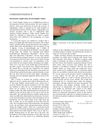
 A pregnant woman's skin condition improved after giving birth, possibly due to high estrogen levels during pregnancy.
 March 1987 in “Journal of The American Academy of Dermatology”
 Oral spironolactone and isotretinoin are effective for treating acne.
 June 2023 in “The journal of sexual medicine”
 The treatment helped a transgender woman stop drinking, improved her mental health, and reduced her gender dysphoria.
 January 2020 in “Research Portal Denmark”
 A short male anogenital distance may indicate incomplete masculinization due to disrupted androgen action.
 October 2007 in “Postgraduate obstetrics & gynecology”
 Testosterone therapy can help with androgen deficiency in women but should be used with caution and monitoring due to potential risks.
 October 2007 in “Postgraduate obstetrics & gynecology”
 Testosterone therapy can help postmenopausal women with low sexual desire but needs more safety research and should be used with estrogen therapy.
November 1993 in “PubMed” Hirsutism, excessive male-pattern hair in women, can be caused by high androgens or skin sensitivity, diagnosed by testosterone levels, and treated with hair removal and hormone therapy.

Cyproterone acetate with ethynyl estradiol significantly improved acne and seborrhea in women, but was less effective for hair loss and excessive hair growth.
January 2015 in “Hair transplant forum international” Female pattern hair loss is different from male pattern hair loss and has unclear genetic causes.
 July 2010 in “British Journal of Dermatology”
 Hair loss in women may have multiple causes, and eyebrow regrowth possible with specific injections.

Androgenetic alopecia, or hair loss, is caused by genetic factors and hormones, with different mechanisms in men and women, and can be linked to insulin resistance and polycystic ovary syndrome.
463 citations
,
September 2004 in “Clinics in dermatology” Effective acne treatments should reduce sebum, bacteria, and inflammation, with isotretinoin being the best for severe cases.
 228 citations
,
January 2021 in “Journal of Neuroimmune Pharmacology”
228 citations
,
January 2021 in “Journal of Neuroimmune Pharmacology” Men have more severe COVID-19 outcomes than women.
219 citations
,
January 2006 in “Drug Metabolism Reviews” DHEA affects multiple receptors and may help with metabolic issues, but its safety and effectiveness in humans are unclear.
 185 citations
,
August 2020 in “Mayo Clinic Proceedings”
185 citations
,
August 2020 in “Mayo Clinic Proceedings” Men are more likely to have severe COVID-19 cases and fatalities than women due to factors like lifestyle, aging, and biological differences.
169 citations
,
November 2009 in “The Journal of Clinical Endocrinology & Metabolism” Prepubertal girls have higher sex steroid levels than boys, possibly leading to earlier puberty.