2 citations
,
January 1989 Tay syndrome is a unique genetic disorder causing skin, hair, and developmental issues.
January 2011 in “Companion Animal” Dermatophytosis in cats is a contagious skin disease that requires treating the infected cat, other pets, and the environment.
29 citations
,
June 2010 in “The Journal of Dermatology” Infants with severe KID syndrome may be more prone to serious infections and need close monitoring.
24 citations
,
June 2012 in “Journal of Feline Medicine and Surgery” Devon Rex cats with skin issues were successfully treated with antifungal medication.
7 citations
,
November 1997 in “Pediatric Dermatology” Trichothiodystrophy can be linked to urologic issues and high calcium in urine.
 19 citations
,
March 1988 in “International Journal of Dermatology”
19 citations
,
March 1988 in “International Journal of Dermatology” Hair shaft dysplasias are abnormal hair conditions that can be inherited or acquired and may signal other health issues, with limited treatment options available.
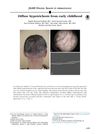 September 2016 in “Journal of The American Academy of Dermatology”
 The girl has a genetic hair condition causing thin hair since childhood.
13 citations
,
July 2012 in “International Journal of Trichology” TTD symptoms vary widely, requiring thorough evaluations.
2 citations
,
January 1987 in “PubMed” Woolly hair syndrome is a genetic condition causing frizzy, fragile hair.
4 citations
,
April 2012 in “The journal of investigative dermatology/Journal of investigative dermatology” Krt16-deficient mice help understand skin disorders like PC and FNEPPK.
 January 2018 in “Our Dermatology Online”
 Trichomycosis axillaris is a treatable bacterial infection of underarm hair.
28 citations
,
July 1980 in “British Journal of Dermatology” The hair disorder was caused by abnormal protein formation, making hair easily damaged.
21 citations
,
March 2018 in “American Journal Of Pathology” Mutations in NIPAL4 cause skin issues by disrupting lipid layers, but some improvement is seen with topical treatment.
 48 citations
,
July 1992 in “International Journal of Dermatology”
48 citations
,
July 1992 in “International Journal of Dermatology” HIV can cause various nail and hair disorders, important for early diagnosis and treatment.
73 citations
,
January 2004 in “Journal of the American Academy of Dermatology” Immunocompromised patients can develop skin and hair issues due to a virus.
31 citations
,
March 1963 in “American journal of diseases of children” Acrodermatitis enteropathica is a rare inherited disorder causing skin issues, diarrhea, and hair loss.
 33 citations
,
April 2017 in “American journal of clinical dermatology”
33 citations
,
April 2017 in “American journal of clinical dermatology” Early treatment of superficial fungal infections in immunocompromised patients is crucial.
April 1946 in “Archives of Dermatology” One child resisted treatment, while the other was successfully treated for scalp ringworm.
Hair dysplasias involve various hair disorders causing fragility, breakage, and poor hair adhesion.
1 citations
,
January 1986 in “PubMed” The boy's symptoms suggest a possible new medical condition.
 5 citations
,
August 2015 in “British journal of dermatology/British journal of dermatology, Supplement”
5 citations
,
August 2015 in “British journal of dermatology/British journal of dermatology, Supplement” The top research priorities for congenital ichthyosis include long-term side effects of oral retinoids, best topical treatments, and treatments for itch and hair loss.
8 citations
,
June 2016 in “Journal of Investigative Dermatology” A rare genetic deletion in the KRT1 gene causes unique skin symptoms in a family.
17 citations
,
October 2001 in “Veterinary dermatology” The skin issues in the two dogs might be caused by infection or self-injury, not genetics.
14 citations
,
November 1979 in “Pediatric Research”  17 citations
,
January 2009 in “Nippon Ishinkin Gakkai Zasshi”
17 citations
,
January 2009 in “Nippon Ishinkin Gakkai Zasshi” A 10-year-old boy recovered from a scalp infection caused by a fungus after treatment with itraconazole.
 16 citations
,
January 2010 in “American Journal of Neuroradiology”
16 citations
,
January 2010 in “American Journal of Neuroradiology” Specific brain and bone imaging findings can help diagnose Trichothiodystrophy.
1 citations
,
October 2010 in “EUR Research Repository (Erasmus University Rotterdam)” Botryomycosis can be effectively treated with long-term oral antibiotics.
16 citations
,
September 2015 in “International Journal of Molecular Sciences” A specific gene variant causes severe skin issues and increases infection risk, requiring careful medical monitoring.
 12 citations
,
November 1987 in “Pediatric dermatology”
12 citations
,
November 1987 in “Pediatric dermatology” Four children had unmanageable pale blond hair due to uncombable-hair syndrome.