275 citations
,
November 2002 in “International Journal of Dermatology” Alopecia areata mainly affects young people and has significant psychological impacts, especially in males.
 May 2025 in “Journal of Clinical Images and Medical Case Reports”
 Hair transplants can trigger a rare scarring hair loss that is hard to treat.
January 2023 in “Journal of Clinical and Diagnostic Research” Trichoscopic patterns often overlap in scalp disorders, so dermatologists need to stay updated.
 63 citations
,
October 2011 in “Archives of Dermatology”
63 citations
,
October 2011 in “Archives of Dermatology” Isolated long hairs at the original hairline can help diagnose Frontal Fibrosing Alopecia.
 1 citations
,
September 2021 in “The Journal of Dermatology”
1 citations
,
September 2021 in “The Journal of Dermatology” Japanese cases of fibrosing alopecia show a unique age and hair loss pattern, possibly due to racial differences.
 June 2022 in “Journal of pharmaceutical research international”
 Alopecia causes patchy hair loss and can be diagnosed with new techniques; treatments like strong creams and contact immunotherapy can help.
 December 2016 in “Springer eBooks”
 A 45-year-old woman with autoimmune diseases experienced patchy hair loss due to alopecia areata, which has no cure but can be treated, with varying success.
December 1977 in “Archives of Dermatology” Hair regrowth in alopecia areata is common, but recurrences happen frequently.
 May 2022 in “Rossijskij žurnal kožnyh i veneričeskih boleznej”
 Alopecia areata is complex, often recurring, and needs personalized treatment, especially with other health issues.
 May 2023 in “Clinical and Experimental Dermatology”
 Alopecia areata has a high chance of persisting and relapsing, with a significant risk of total hair loss, especially if it starts in childhood.
35 citations
,
August 2009 in “Journal of the American Academy of Dermatology” Melanocytes might be targeted by the immune system in people with alopecia areata, but more research is needed.
 January 2025 in “Journal of Rawalpindi Medical College”
 Alopecia Areata affects both genders almost equally, mostly on the scalp, with common signs like yellow dots and exclamation mark hairs, especially in young people.
March 2025 in “Revista Foco” Early diagnosis of Alopecia Frontal Fibrosante is crucial for effective treatment.
2 citations
,
January 2018 Diffuse alopecia areata causes widespread hair thinning due to an autoimmune response.
 July 2018 in “Nasza Dermatologia Online”
 Frontal fibrosing alopecia and ulerythema ophryogenes may be related and can evolve from one to the other.
 June 2023 in “Medeniyet medical journal”
 People with alopecia areata have similar retinal structures but thicker choroidal regions compared to those without the condition.
148 citations
,
September 2003 in “Journal of Investigative Dermatology Symposium Proceedings” Alopecia areata is an autoimmune disorder causing hair loss, linked to specific hair follicle antigens and genetic factors.
 5 citations
,
June 2012 in “Journal of Cosmetic Dermatology”
5 citations
,
June 2012 in “Journal of Cosmetic Dermatology” Female pattern hair loss diagnosis is challenging and should use dermoscopy and histopathology instead of pattern recognition, as hormones may not always be the cause.
January 2025 in “Dermatology Online Journal” The man's hair loss and skin papules were diagnosed as atrichia with papular lesions, not alopecia areata universalis.
October 2015 in “CRC Press eBooks” Classifying alopecia helps diagnose and treat different types of hair loss accurately.
November 2025 in “Zenodo (CERN European Organization for Nuclear Research)” Alopecia areata causes sudden, patchy hair loss due to immune system attacks on hair follicles.
 2 citations
,
January 2012 in “Journal of Cutaneous Pathology”
2 citations
,
January 2012 in “Journal of Cutaneous Pathology” The author clarifies that alopecia areata incognito and diffuse alopecia areata are different types of hair loss with unique symptoms and challenges in diagnosis.
 1 citations
,
August 2022 in “JAAD case reports”
1 citations
,
August 2022 in “JAAD case reports” Tofacitinib and oral minoxidil may help treat Sisaipho alopecia areata.
May 2025 in “Apollo Medicine” Trichoscopy is a useful tool for diagnosing and assessing the severity of alopecia areata.
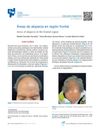 January 2025 in “Revista del Centro Dermatológico Pascua”
 Early diagnosis and treatment can help manage fibrosing alopecia in older women.
 1 citations
,
May 2023 in “Indian Journal of Dermatology Venereology and Leprology”
1 citations
,
May 2023 in “Indian Journal of Dermatology Venereology and Leprology” Alopecia areata may lead to hearing loss.
January 2026 in “International Research Journal of Modernization in Engineering Technology and Science” Alopecia areata causes patchy hair loss and is often treated with corticosteroids.
 March 2024 in “Research Square”
 The model helps understand alopecia areata and suggests ways to improve treatment by targeting immune issues.
September 2024 in “Journal of the American Academy of Dermatology” A new type of alopecia areata, called the "confetti variant," causes small bald spots that often heal on their own in a few months.