January 2016 in “Indian dermatology online journal” The patient has frontal fibrosing alopecia (FFA).
53 citations
,
May 2011 in “Dermatologic therapy” Alopecia areata is a skin condition causing hair loss, and its exact cause is unknown, but it may involve biological mechanisms.
January 2008 in “Bradford Scholars (University of Bradford)” Alopecia areata may be caused by antibodies targeting specific hair follicle proteins, hindering hair growth.
 19 citations
,
March 1997 in “Journal of Cutaneous Pathology”
19 citations
,
March 1997 in “Journal of Cutaneous Pathology” Alopecia areata involves specific T-cells, unlike androgenetic alopecia.
The paper concludes that the patchiness of alopecia areata is likely due to when the immune attack happens in the hair growth cycle.
4 citations
,
September 2020 in “Journal of Cutaneous Pathology” January 2023 in “Al-Azhar International Medical Journal /Al-Azhar International Medical Journal” Treating eye issues can help manage alopecia areata better.
Alopecia areata causes hair loss and needs personalized care to manage its emotional and social effects.
26 citations
,
January 2009 in “Annals of Dermatology” Two rare bald spots on the back of the scalp were found to be lupus, not alopecia areata.
1 citations
,
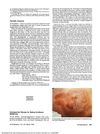
March 2000 in “PubMed” A 16-year-old boy's alopecia areata progressed unusually to resemble male pattern baldness.
 6 citations
,
March 1990 in “Archives of Dermatology”
6 citations
,
March 1990 in “Archives of Dermatology” Sam Shuster identified three types of hair loss in psoriasis and emphasized the need for better research to understand them.
2 citations
,
July 2024 in “Indian Journal of Dermatology” Adults with alopecia areata often have empty follicular openings, while children show more honeycomb pigment patterns.
 June 2023 in “Medeniyet medical journal”
 People with alopecia areata have similar retinal structures but thicker choroidal regions compared to those without the condition.
January 2022 in “Clinical Cases in Dermatology” A 4-year-old boy has a rare type of hair loss in a line pattern on his scalp.
July 2025 in “INTERNATIONAL JOURNAL OF SCIENTIFIC RESEARCH” Trichoscopy is crucial for diagnosing alopecia areata by identifying specific hair features.
 February 2011 in “Journal of the American Academy of Dermatology”
 A 60-year-old man with a long-term balding condition also developed a rare hair loss condition usually seen in postmenopausal women.
 2 citations
,
January 2022 in “Skin research and technology”
2 citations
,
January 2022 in “Skin research and technology” OCT can detect hidden hair follicles in alopecia areata, indicating potential hair regrowth.
14 citations
,
September 2015 in “PubMed” Alopecia areata can be managed with various treatments, and severe cases should be referred to dermatologists.
July 2026 in “Journal of the American Academy of Dermatology” Alopecia areata patients have a higher risk of retinal issues, but routine eye checks should be symptom-based.
June 2026 in “Journal of General-Procedural Dermatology & Venereology Indonesia” Early-onset alopecia areata doesn't consistently predict poor long-term outcomes.

Scalp tinea versicolor can mimic alopecia areata but is treatable with antifungal medication.
9 citations
,
November 2004 in “SKINmed Dermatology for the Clinician” A man with hair loss developed a condition causing scarring and inflammation in both bald and non-bald areas of his scalp.
May 2025 in “Skin Appendage Disorders” Frontal fibrosing alopecia can be diagnosed by examining facial areas and treated with specific medications to stop its progression.
2 citations
,
March 2011 in “International Journal of Dermatology” An 18-year-old man was diagnosed with a rare genetic disorder causing hair loss, severe light sensitivity, and skin issues.
September 2019 in “Journal of Investigative Dermatology” Innate lymphoid cells type 1 may contribute to alopecia areata.
13 citations
,
January 2013 in “Indian Journal of Dermatology Venereology and Leprology” Alopecia areata and vitiligo can coexist, respond well to treatment, and may have a better prognosis together.
 August 2023 in “Research Square (Research Square)”
 Melanocytes may trigger the immune response in alopecia areata, affecting hair regrowth.
 8 citations
,
January 1989 in “Annual Reports in Medicinal Chemistry”
8 citations
,
January 1989 in “Annual Reports in Medicinal Chemistry” Hair loss from alopecia areata and androgenetic alopecia can be treated, but more effective and safer treatments are needed.
 4 citations
,
May 2019 in “Journal of The European Academy of Dermatology and Venereology”
4 citations
,
May 2019 in “Journal of The European Academy of Dermatology and Venereology” Hair loss treatment caused more hair loss in a man.