November 2022 in “Indian Journal of Dermatology” Azole antifungals can cause skin reactions like EAC, requiring careful management.
 1 citations
,
November 2001 in “British Journal of Dermatology”
1 citations
,
November 2001 in “British Journal of Dermatology” Oral cyclosporin doesn't stop hair loss.
Antifungal treatment reduced asthma exacerbations and corticosteroid use but its overall benefit is unclear.
3 citations
,
November 2019 in “Journal of dermatology” Itraconazole effectively treated a woman's painful skin condition and hair loss.
125 citations
,
May 2010 in “Pediatric dermatology” Systemic treatment is necessary for tinea capitis in children, with griseofulvin preferred for Microsporum infections.
 33 citations
,
February 1996 in “Journal of The American Academy of Dermatology”
33 citations
,
February 1996 in “Journal of The American Academy of Dermatology” Treat scalp and beard fungal infections early with oral antifungal medication and sometimes topical therapy, avoiding unnecessary allergy tests and surgery.
12 citations
,
August 2011 Prompt treatment of tinea capitis with oral antifungals leads to excellent recovery, but delayed care can cause permanent hair loss.
 10 citations
,
June 2000 in “Primary Care”
10 citations
,
June 2000 in “Primary Care” The document explains different hair loss types and treatments, emphasizing diagnosis through examination and tests, and specific treatments for each condition.
 6 citations
,
October 1993 in “The journal of the Royal Society of Health”
6 citations
,
October 1993 in “The journal of the Royal Society of Health” Children's hair loss has many causes and requires careful diagnosis and personalized treatment, including emotional support.
 6 citations
,
August 1991 in “Pediatric Clinics of North America”
6 citations
,
August 1991 in “Pediatric Clinics of North America” The document concludes that various hair and scalp disorders in children have specific treatments and proper diagnosis is essential.
 2 citations
,
January 2022 in “Boletín médico del Hospital infantil de México/Boletín médico del Hospital Infantil de México”
2 citations
,
January 2022 in “Boletín médico del Hospital infantil de México/Boletín médico del Hospital Infantil de México” Some immunosuppressed patients can get unusual skin infections from Malassezia, which can be treated with antifungal medication.
 2 citations
,
May 2009 in “Medicine”
2 citations
,
May 2009 in “Medicine” Hair and nails can help diagnose diseases, with nail issues often linked to skin conditions and hair loss having various causes and treatments.
1 citations
,
May 2017 in “InTech eBooks” The chapter explains common scalp conditions, including infections, infestations, and tumors.
1 citations
,
November 2009 in “Nurse prescribing” Oral griseofulvin for 6-12 weeks cures most scalp fungal infections in children.
 January 2025 in “Journal of Clinical Medicine”
 Unsanitary barber practices can spread scalp infections, treatable with oral antifungals.
 March 2023 in “Journal of the American Academy of Dermatology”
 Treating underlying conditions and using antifungals effectively resolve Pityrosporum folliculitis in immunocompromised people.
Different hair and nail conditions can indicate health issues and have specific treatments; accurate diagnosis is crucial before treatment.
 January 1998 in “Current Therapeutics”
 Different causes of hair loss require specific treatments, and most men and women will experience some form of hair thinning as they age.
 41 citations
,
September 2007 in “Pediatric emergency care”
41 citations
,
September 2007 in “Pediatric emergency care” Oral medication is necessary to treat scalp fungus in children, with griseofulvin being the usual choice.
 2 citations
,
October 2019 in “Current sports medicine reports”
2 citations
,
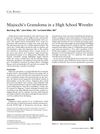
October 2019 in “Current sports medicine reports” A high school wrestler's skin rash was cured with antifungal medication after a misdiagnosis and incorrect treatment led to a fungal infection.
 March 1987 in “Journal of The American Academy of Dermatology”
 Oral spironolactone and isotretinoin are effective for treating acne.
January 2022 in “Clinical Cases in Dermatology” A man has a common skin condition called seborrheic dermatitis, treated with special shampoos and sometimes medication.
 51 citations
,
January 2014 in “Pediatric Clinics of North America”
51 citations
,
January 2014 in “Pediatric Clinics of North America” The guide explains how to identify and treat children's hair loss, including fungal infections, autoimmune disorders, hairstyle changes, self-correcting conditions, and behavioral therapy for hair-pulling.
 32 citations
,
August 2003 in “Journal of the American Academy of Dermatology”
32 citations
,
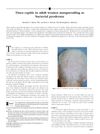
August 2003 in “Journal of the American Academy of Dermatology” Tinea capitis can be misdiagnosed as bacterial infection in adult women but is treatable with antifungal medication.
 18 citations
,
May 1988 in “Journal of The American Academy of Dermatology”
18 citations
,
May 1988 in “Journal of The American Academy of Dermatology” Itraconazole helps improve tough skin infections but may not prevent them from coming back.
12 citations
,
August 2016 in “Mycopathologia” A man's pubic hair infection was treated by shaving and using antifungal medications.
 10 citations
,
May 2017 in “CMAJ. Canadian Medical Association journal”
10 citations
,
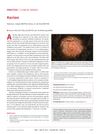
May 2017 in “CMAJ. Canadian Medical Association journal” The boy had a fungal scalp infection called kerion, which was cured with oral antifungal medication.
6 citations
,
February 2019 in “Journal of dermatology” Favus, a rare fungal infection, has reappeared in Japan.
6 citations
,
June 2017 in “Aesthetic Surgery Journal” Microneedling can cause skin infections if not used safely.
 4 citations
,
October 2018
4 citations
,
October 2018 Hair loss in children is often caused by scalp infections, immune disorders, hair pulling, stress, and requires careful treatment due to emotional effects.