 March 2022 in “Nepal Journal of Dermatology Venereology & Leprology”
 Methotrexate with steroids is slightly more effective than azathioprine with steroids for treating severe alopecia areata.
 30 citations
,
April 2002 in “Archives of Dermatology”
30 citations
,
April 2002 in “Archives of Dermatology” Finasteride can cause one-sided breast enlargement, which disappears after stopping the drug.
August 2009 in “Belarusian State Pedagogical University repository (Belarusian State Pedagogical University)” Alopecia areata in children is often linked to genetics, autoimmune issues, and stress, and is treated with corticoids or PUVA therapy.
 72 citations
,
January 2001 in “Drugs”
72 citations
,
January 2001 in “Drugs” Minoxidil and finasteride treat hair loss; more research needed for other options.
 June 2023 in “British journal of dermatology/British journal of dermatology, Supplement”
 Congenital alopecia areata may have genetic links and topical corticosteroids are an effective treatment.
 8 citations
,
March 1979 in “International Journal of Dermatology”
8 citations
,
March 1979 in “International Journal of Dermatology” Dr. Vera H. Price's 1979 work emphasizes the importance of accurate diagnosis and personalized treatment for hair loss.
 35 citations
,
May 2012 in “Expert Opinion on Pharmacotherapy”
35 citations
,
May 2012 in “Expert Opinion on Pharmacotherapy” The document concludes that there are various treatments for different types of alopecia, but more research is needed for evidence-based treatments.
 34 citations
,
April 2009 in “Expert Opinion on Pharmacotherapy”
34 citations
,
April 2009 in “Expert Opinion on Pharmacotherapy” Some treatments work for common baldness, but there's less evidence for other hair loss types, and more research is needed.
 July 2023 in “The Egyptian Journal of Hospital Medicine ”
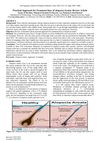
 The conclusion is that emotional support and a variety of treatments are important for alopecia areata, but more research is needed.
 29 citations
,
June 2013 in “Journal of the Saudi Society of Dermatology & Dermatologic Surgery”
29 citations
,
June 2013 in “Journal of the Saudi Society of Dermatology & Dermatologic Surgery” Alopecia areata is an autoimmune hair loss condition treated with corticosteroids, and histologic confirmation is the best diagnosis method.
 105 citations
,
February 2017 in “British Journal of Dermatology”
105 citations
,
February 2017 in “British Journal of Dermatology” Survivors of Stevens-Johnson syndrome/toxic epidermal necrolysis need ongoing care for various long-term health problems.
 12 citations
,
May 2017 in “Medicine”
12 citations
,
May 2017 in “Medicine” Oral isotretinoin was recommended for a 21-year-old woman with severe acne.
 10 citations
,
January 2004 in “KARGER eBooks”
10 citations
,
January 2004 in “KARGER eBooks” Diagnosing PCOS in teenage girls is tricky and requires careful evaluation and management.
 May 2006 in “Women's Health Medicine”
 Excessive hair growth in women, often from high androgen levels, is usually caused by PCOS, and can be treated with hair removal, medication, and possibly weight loss.
 90 citations
,
July 2008 in “Dermatologic therapy”
90 citations
,
July 2008 in “Dermatologic therapy” Lichen planopilaris is a chronic, scarring hair loss condition with no definitive cure, requiring accurate diagnosis and treatment to manage symptoms.
 16 citations
,
May 2013 in “Australasian Journal of Dermatology”
16 citations
,
May 2013 in “Australasian Journal of Dermatology” Hair loss in Cronkhite-Canada syndrome is reversible by treating the gut issues and doesn't need steroid treatment for the hair itself.
 13 citations
,
October 1993 in “International Journal of Dermatology”
13 citations
,
October 1993 in “International Journal of Dermatology” Minoxidil effectively promotes hair regrowth in younger patients with small balding areas.
 8 citations
,
June 2012 in “Australasian Journal of Dermatology”
8 citations
,
June 2012 in “Australasian Journal of Dermatology” A rare form of alopecia causes hair thinning without bald spots and may be more common than thought, responding well to steroid treatment.
 3 citations
,
July 2012 in “British journal of hospital medicine”
3 citations
,
July 2012 in “British journal of hospital medicine” The guide helps clinicians diagnose and manage hair loss, detailing examination techniques and treatments for different types of alopecia.
 3 citations
,
July 2018 in “JAAPA”
3 citations
,
July 2018 in “JAAPA” Some birth control pills can cause hair loss, and switching to ones with less androgen should help.
 182 citations
,
October 2003 in “British Journal of Dermatology”
182 citations
,
October 2003 in “British Journal of Dermatology” The 2003 guidelines suggest that while some treatments can regrow hair in alopecia areata, none alter the disease's progression, and wigs may be the best option for extensive hair loss.
 51 citations
,
December 2011 in “The Journal of Dermatology”
51 citations
,
December 2011 in “The Journal of Dermatology” New treatments for severe hair loss often fail, but some patients see hair regrowth with specific therapies, and treatment should be tailored to the individual's situation.
 2 citations
,
January 2022 in “Skin appendage disorders”
2 citations
,
January 2022 in “Skin appendage disorders” A combination of methotrexate injections and CO2 laser treatment led to complete hair regrowth in two patients with hard-to-treat alopecia.
 December 2023 in “Dermatology and therapy”
 Japanese patients and physicians often disagree on the severity of Alopecia Areata and treatment satisfaction, needing better communication and treatments.
 421 citations
,
April 2012 in “The New England Journal of Medicine”
421 citations
,
April 2012 in “The New England Journal of Medicine” Alopecia Areata is an autoimmune condition causing hair loss with no cure and treatments that often don't work well.
 116 citations
,
December 2017 in “International Journal of Women's Dermatology”
116 citations
,
December 2017 in “International Journal of Women's Dermatology” Adult female acne treatment should be personalized, considering individual preferences and pregnancy, using various topical and oral medications while managing side effects and resistance.
 23 citations
,
April 2018 in “Journal der Deutschen Dermatologischen Gesellschaft”
23 citations
,
April 2018 in “Journal der Deutschen Dermatologischen Gesellschaft” Permanent hair loss from cicatricial alopecia is treated by reducing inflammation and managing symptoms, but regrowth in scarred areas is unlikely.
 4 citations
,
May 2022 in “Journal of Nepal Medical Association”
4 citations
,
May 2022 in “Journal of Nepal Medical Association” Steroids, infection management, and nutritional support can significantly improve symptoms of Cronkhite-Canada Syndrome.
 1 citations
,
May 2017 in “InTech eBooks”
1 citations
,
May 2017 in “InTech eBooks” The document concludes that alopecia areata is an unpredictable autoimmune hair loss condition with no cure, but various treatments exist that require personalized approaches.
 May 2025 in “The Journal of Rheumatology”
 A woman with skin and joint issues progressed from one type of lupus to another, highlighting the need to recognize complex conditions.