 February 2018 in “Medicine - Programa De Formación Médica Continuada Acreditado”
 Minoxidil and finasteride are the main FDA-approved treatments for hair loss, with other methods showing promise but lacking strong evidence.
 April 2017 in “Australasian Journal of Dermatology”
 Different skin conditions show distinct types of vessel inflammation, a new quality of life index for vulval disease is reliable, a certain intrauterine system might be linked to chronic vaginal yeast infections, and oral minoxidil reduces hair loss in women.
 January 2017 in “Clinical approaches and procedures in cosmetic dermatology”
 Men are increasingly seeking quick-result cosmetic treatments for their thicker, oilier skin and hair loss issues.
 April 2016 in “Actas Dermo-Sifiliográficas”
 The document concludes that a unique target-like hair regrowth pattern in alopecia areata may be more common than thought and should be properly identified.
 October 2015 in “Elsevier eBooks”
 Minoxidil is effective for hair growth and safe for long-term use.
 July 2015 in “Cambridge University Press eBooks”
 The document concludes that treatments for female hair loss and excess body hair are available, but managing expectations is important.
 May 2015 in “Journal of The American Academy of Dermatology”
 Oral minoxidil effectively increases hair growth in male baldness but can cause side effects like excessive hair growth and swelling.
 May 2015 in “Journal of The American Academy of Dermatology”
 The research shows a potential way to regenerate hair using adult cells that have been grown and guided to produce new hair fibers.
 January 2015 in “Вестник дерматологии и венерологии”
 Some treatments like minoxidil, finasteride, and dutasteride are effective for hair loss, but there's no agreed best treatment.
 November 2014 in “British Journal of Dermatology”
 Male hair loss is mainly due to thinner hair, not less hair.
 January 2014 in “Cosmoderma”
 The document concludes that personalized treatment plans for hair loss in Asian men are necessary and more research is needed to develop effective guidelines.
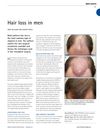 May 2013 in “Trends in Urology & Men's Health”
 Male-pattern hair loss is normal, often involves hormone effects on hair follicles, and can be treated with medication or surgery, but new treatments are being researched.

Iron supplements may reverse premature graying in iron-deficient individuals; ingrown nails are common in diabetics with certain risk factors; topical finasteride may reduce scalp DHT as effectively as oral finasteride; monilethrix treatment is challenging but some medications can help.
 September 2012 in “Hair transplant forum international”
 The document concludes with the creation of a Hair Transplant Foundation after reviewing the early hair transplant techniques and discussions from a forum.
Treating hair loss in PCOS involves a combination of lifestyle changes, medication, and possibly hair care strategies.
 July 2011 in “Springer eBooks”
 The document concluded that FDA-approved treatments like minoxidil and finasteride are effective for hair loss, while the effectiveness of natural remedies and other non-approved treatments is not well-supported by evidence.
January 2011 in “Clinical Cosmetic and Investigational Dermatology” Spironolactone is a safe and effective hair loss treatment, especially with minoxidil.
January 2009 in “Beijing Medical Journal” Combined therapy effectively improved severe alopecia areata in all patients after 6 months.
 January 2007 in “Más dermatología”
 Gentle hair care and some medications can help manage hair shaft disorders, but no specific treatment exists for congenital issues.
September 2004 in “Dépôt institutionnel de l'Université libre de Bruxelles (Université Libre de Bruxelles)” Early diagnosis and treatment can help manage hair loss effectively.
 June 2003 in “Obstetrical & Gynecological Survey”
 Hair loss in women can be treated with hormone therapy.
 March 2003 in “Dermatologic Surgery”
 Dr. Dominic A. Brandy shared methods to fix aesthetic problems from old hair restoration techniques, using methods like follicular unit grafting and scalp removal, which helped patients look more natural after surgery. He also suggested using oral finasteride and topical minoxidil to control hair loss in most men with baldness, especially those who had flap surgery.
 January 1998 in “Current Therapeutics”
 Different causes of hair loss require specific treatments, and most men and women will experience some form of hair thinning as they age.
 September 1997 in “JEADV. Journal of the European Academy of Dermatology and Venereology/Journal of the European Academy of Dermatology and Venereology”
 The document concludes that treatments like oral anti-androgens, minoxidil, and topical spironolactone can be effective for hair loss in men and women.
September 1997 in “JEADV. Journal of the European Academy of Dermatology and Venereology/Journal of the European Academy of Dermatology and Venereology” Common hair loss can be diagnosed with a physical exam and sometimes a hair test or skin biopsy, and treated with medication or surgery, with ongoing treatment needed to keep results.
 May 1994 in “Reactions Weekly”
 Many medications can cause hair loss or excessive hair growth, which is usually reversible after stopping the drug.
March 2023 in “Anais Brasileiros De Dermatologia” Topical minoxidil is the best-supported treatment for female hair loss, but personalized plans are needed.
January 2023 in “Dermatologic Therapy” Intralesional corticosteroids and 5-alpha-reductase inhibitors are the best treatments for frontal fibrosing alopecia.
November 2022 in “Journal of Education, Health and Sport” Combination therapy for hair loss can improve results and reduce side effects.
Microneedling may be an effective treatment for pattern hair loss.