 December 2017 in “Journal of Medical Science And clinical Research”
 The PCOS questionnaire is valid for Indian women, but metformin doesn't significantly improve symptoms beyond oral contraceptives.
 November 2017 in “Elsevier eBooks”
 PCOS is a genetic disorder affecting women's reproductive health, with treatments focused on symptoms like insulin resistance and fertility.
 April 2017 in “Journal of evolution of medical and dental sciences”
 Most women with excess hair growth had Polycystic Ovary Syndrome, and severity wasn't linked to hormone levels.
 March 2017 in “InTech eBooks”
 Acne vulgaris is a common skin condition that can cause low self-esteem and depression, and early treatment is important to prevent scarring.

The document recommends a multidisciplinary approach and experience sharing to advance facial feminization surgery as a medical field.
 January 2017 in “Clinical approaches and procedures in cosmetic dermatology”
 Men are increasingly seeking quick-result cosmetic treatments for their thicker, oilier skin and hair loss issues.
 November 2016 in “Endocrinology&Metabolism International Journal”
 PCOS has no cure, but treatments can manage symptoms and improve health.

Female hair loss is often hereditary and can be treated with medication, hair transplants, and lasers.
 December 2015 in “JAMA Dermatology”
 Dermatologists can help diagnose endocrine disorders like PCOS and metabolic syndrome by looking at skin symptoms.
 July 2015 in “Cambridge University Press eBooks”
 The document concludes that treatments for female hair loss and excess body hair are available, but managing expectations is important.
 September 2014 in “Springer eBooks”
 Men and women experience skin aging differently due to changes in sex hormone levels with age.
 March 2014 in “Journal of The American Academy of Dermatology”
 Mycophenolic acid may help hair growth, a combination treatment improves hair thickness in male hair loss, and early treatment of frontal fibrosing alopecia is important.
 January 2014 in “Side effects of drugs annual”
 Exposure to certain sex hormones can increase health risks, while some hormone therapies may offer benefits for specific conditions.
Different hair and nail conditions can indicate health issues and have specific treatments; accurate diagnosis is crucial before treatment.

Iron supplements may reverse premature graying in iron-deficient individuals; ingrown nails are common in diabetics with certain risk factors; topical finasteride may reduce scalp DHT as effectively as oral finasteride; monilethrix treatment is challenging but some medications can help.
July 2012 in “International Journal of Trichology” Understanding hair health and disorders is important for effective treatment.
 January 2012 in “Yearbook of Dermatology and Dermatologic Surgery”
 Taking finasteride daily can effectively and safely increase hair density and thickness for women with hair loss.
 September 2011 in “American Journal of Clinical Dermatology”
 The birth control pill containing ethinylestradiol and chlormadinone may help treat acne and other skin and hair conditions related to hormones.
 July 2011 in “Springer eBooks”
 The document concluded that FDA-approved treatments like minoxidil and finasteride are effective for hair loss, while the effectiveness of natural remedies and other non-approved treatments is not well-supported by evidence.
 June 2011 in “Oncology times”
 Dr. Mario Lacouture recommends preventive and specific treatments for skin side effects caused by EGFR inhibitors to improve patients' quality of life.
 April 2011 in “Global journal of health science”
 Aldactone effectively reduces hair thickness in women with excessive hair growth, both alone and with other treatments.
 April 2011 in “Global journal of health science”
 Spironolactone effectively makes hair shafts thinner in women with excessive hair growth.
 January 2010 in “Actas Dermo-Sifiliográficas”
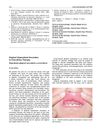
 A woman developed thick gums from everolimus treatment after a kidney transplant.
 February 2009 in “Journal of The American Academy of Dermatology”
 A man with Klinefelter syndrome had a leg ulcer that didn't heal well, even with treatment.
 January 2009 in “Elsevier eBooks”
 Some plant-based treatments may help with ovary function, insulin resistance, and excess male hormones in PCOS, but more research is needed to confirm their safety and effectiveness.
 July 2005 in “SKINmed/Skinmed”
 BRL 7660, once studied for male contraception, showed promise as an acne treatment but was not developed further due to competing drugs.
 November 2004 in “Medical Journal of Indonesia”
 Hormonal imbalances can cause skin and hair problems in women, and treatments that block male hormones can help.
 September 2002 in “Comprehensive Therapy”
 Primary care is key in managing PCOS, focusing on lifestyle changes and medications like birth control and metformin.
 March 1997 in “Journal of Endocrinology/Journal of endocrinology”
 Excessive hair growth in women can be treated with medications like spironolactone and finasteride, and male-pattern baldness in women can be improved with similar treatments.
 August 1996 in “Journal of Pediatric and Adolescent Gynecology”
 The document concludes that PCOS in adolescents is complex and requires comprehensive care to manage its symptoms and associated health risks.