18 citations
,
June 2018 in “Journal of Dental Research” Msx2 is essential for proper enamel formation by preventing abnormal cell transformation.
 6 citations
,
September 1998 in “The Journal of The British Menopause Society”
6 citations
,
September 1998 in “The Journal of The British Menopause Society” Testosterone replacement may help postmenopausal women with sexual function and bone density, but suitable treatments are limited.
 9 citations
,
February 2022 in “BMC Genomics”
9 citations
,
February 2022 in “BMC Genomics” Melatonin affects gene expression in goat hair follicles, potentially increasing cashmere production.
 November 2022 in “Journal of the Endocrine Society”
 Removing the ovarian tumor improved the woman's hormonal symptoms.
4 citations
,
December 2002 in “Gynecological Endocrinology” Estrogens can slow skin aging after menopause, but can't restore youthful skin.
8 citations
,
June 2001 in “Journal of Biological Chemistry” A truncated protein linked to breast cancer may change cell adhesion.
8 citations
,
October 2020 in “Stem cell research & therapy” DNMT1 helps turn hair follicle stem cells into fat cells by blocking a specific microRNA.
52 citations
,
May 1997 in “Journal of Biological Chemistry” High ornithine decarboxylase levels may lead to hair loss and cancer by increasing CK2 activity in the nucleus.
 October 2024 in “Journal of the Endocrine Society”
 A rare ovarian tumor caused high testosterone in a postmenopausal woman, resolved by surgery.
 11 citations
,
April 2017 in “Journal of The European Academy of Dermatology and Venereology”
11 citations
,
April 2017 in “Journal of The European Academy of Dermatology and Venereology” Found different long non-coding RNAs in balding Chinese men, which may help create new treatments.
Metabolic processes and key genes like FGF5, FGFR1, and RRAS significantly affect hair follicle growth in Inner Mongolian Cashmere goats.
 November 2022 in “The journal of investigative dermatology/Journal of investigative dermatology”
 Different types of PPARγ are found in varying amounts in human skin and its parts, which could affect how skin treatments work.
 1 citations
,
November 2008 in “Acta crystallographica”
1 citations
,
November 2008 in “Acta crystallographica” Scientists successfully created and analyzed the structure of a part of the human androgen receptor with specific modulators and a peptide to understand how it binds differently in various tissues.
The estrogen receptor pathway controls hair growth cycles and affects skin cell growth.
January 2024 in “Animals” Circular RNA ERCC6 helps activate stem cells important for cashmere goat hair growth by interacting with specific molecules in an m6A modification-dependent way.
21 citations
,
January 2020 in “Brazilian Journal of Medical and Biological Research” H19 may help cause PCOS by affecting CTGF levels, suggesting a new treatment target.
 11 citations
,
May 1996 in “The Journal of clinical endocrinology and metabolism/Journal of clinical endocrinology & metabolism”
11 citations
,
May 1996 in “The Journal of clinical endocrinology and metabolism/Journal of clinical endocrinology & metabolism” The main enzyme found in pubic skin that could be targeted to treat excessive hair growth is 5 alpha-R2.
1 citations
,
July 2022 in “BMC Women s Health” An ovarian tumor can cause high male hormones in postmenopausal women.
28 citations
,
November 2013 in “Cell and Tissue Research” October 2025 in “Journal of the Endocrine Society” Ovarian hyperthecosis can cause high testosterone and symptoms like hair loss, and surgery can help improve these symptoms.
 December 2023 in “Regenerative therapy”
 miRNA-based therapies show promise for treating skin diseases, including hair loss, in animals.
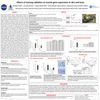 January 2017 in “NASA Technical Reports Server (NASA)”
 Early changes in skin gene expression can predict later bone mass loss after radiation exposure.
November 2025 in “Journal of Investigative Dermatology” Alpha-MSH affects mitochondrial function, and MC1R mutations may increase skin aging.
 January 2022 in “Figshare”
 Melatonin affects when and how certain genes work during the growth of goat hair follicles.
July 2005 in “The American Journal of Human Genetics” The AR gene is linked to male-pattern baldness, TNFSF4 to heart disease, SLC19A3 to BBGD, MCT8 to a syndrome, and segmental duplications to genetic variation.
 April 2026 in “microPublication”
 Minoxidil might partially activate estrogen receptors, affecting hair growth.
15 citations
,
May 2017 in “Journal of Cellular Biochemistry” The hairless protein is important for skin, hair, and may influence cancer development.
 55 citations
,
May 2019 in “Journal of Endocrinology”
55 citations
,
May 2019 in “Journal of Endocrinology” Androgens are important for female fertility and could help in IVF treatment, but also play a role in causing PCOS.
4 citations
,
January 2023 in “Skin Appendage Disorders” Changes in certain RNA and protein levels may contribute to alopecia areata and could be treatment targets.
January 2007 in “Journal of Inner Mongolia University” The research helps in creating genetically modified animals to study hair growth.