1 citations
,
August 2022 in “Case Reports” A rare ovarian tumor caused high testosterone, hair loss, and missed periods, but surgery fixed these issues and led to pregnancy.
January 2026 in “Brazilian Journal of Development” Early diagnosis and surgery can improve symptoms of ovarian hyperthecosis in postmenopausal women.
A thorough diagnostic process and teamwork are crucial for managing complex hyperandrogenism in postmenopausal women.
 October 2023 in “Journal of the Endocrine Society”
 The document concludes that doctors should thoroughly check postmenopausal women with sudden increased male traits for rare conditions like androgen-producing endometrial cancer.
 April 2020 in “Journal of the Endocrine Society”
 A rare ovarian tumor that produced testosterone caused a blood clot in the lungs and increased red blood cells in a woman.
 April 2020 in “Journal of the Endocrine Society”
 A woman's severe hirsutism was caused by Leydig cell tumors in her ovaries, which improved after surgery.
 January 2020 in “Journal of South Asian Federation of Obstetrics and Gynaecology”
 Removing the ovaries can help treat hair loss caused by high androgen levels in postmenopausal women.
 April 2019 in “Journal of the Endocrine Society”
 A woman's severe male-like symptoms were caused by a rare, benign tumor in her ovary that produced male hormones.
April 2019 in “Journal of the Endocrine Society” A woman's severe insulin resistance improved with treatment, but she still had high testosterone levels due to ovarian issues.
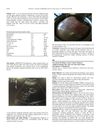 October 2014 in “Journal of Minimally Invasive Gynecology”
 Genetic testing for cancer risk can lead to early and life-saving treatments in people without symptoms.
 January 2013 in “Revista Clínica Española”
 A postmenopausal woman's increased male hormone levels were successfully treated with surgery.

A 73-year-old woman's unusual hair loss and growth led to the discovery of a rare condition causing too much testosterone, which improved after her ovaries were removed.
July 1998 in “Annals of saudi medicine/Annals of Saudi medicine” A misdiagnosed case of HAIR-AN syndrome led to unnecessary surgeries and highlighted the importance of correct diagnosis and treatment.
 November 2023 in “JCEM Case Reports”
 A postmenopausal woman's excess male hormone symptoms improved after her ovaries were removed.
 January 2023 in “Case Reports in Obstetrics and Gynecology”
 A woman's high testosterone levels and related symptoms improved after ovary removal surgery.
 November 2022 in “Journal of the Endocrine Society”
 A woman's masculine symptoms were caused by a rare tumor in her left ovary, which was found using a special blood test.
April 2020 in “International journal of reproduction, contraception, obstetrics and gynecology” A postmenopausal woman with hair loss and hirsutism improved after surgery to remove an ovarian tumor.
 12 citations
,
May 2005 in “Current obstetrics and gynaecology/Current obstetrics & gynaecology”
12 citations
,
May 2005 in “Current obstetrics and gynaecology/Current obstetrics & gynaecology” Hirsutism is too much hair growth in women like the pattern in men, often caused by high male hormones, and can be treated with hormone control and hair removal methods.
 7 citations
,
August 2019 in “Journal of Ovarian Research”
7 citations
,
August 2019 in “Journal of Ovarian Research” Blood removal and birth control pills both helped with hormone levels in women with PCOS, but birth control was better for regular periods and blood removal had fewer side effects.
 6 citations
,
April 2018 in “Obstetrics, gynaecology and reproductive medicine”
6 citations
,
April 2018 in “Obstetrics, gynaecology and reproductive medicine” Most women with hirsutism have it because of PCOS, and they need long-term treatment including medication and hair removal to improve their condition.
 6 citations
,
July 2003 in “Journal of Womens Health”
6 citations
,
July 2003 in “Journal of Womens Health” Experts say proper treatment and sensitivity are important for women's facial skin issues like acne and unwanted hair.
 2 citations
,
June 2022 in “International Journal of Biomedicine”
2 citations
,
June 2022 in “International Journal of Biomedicine” The review suggests a comprehensive approach to treat hirsutism, focusing on hair removal, medication, and managing emotional effects.
April 2025 in “The Journal of Clinical Endocrinology & Metabolism” Hirsutism affects many women and is managed with a combination of medical treatments and hair removal, tailored to individual needs.
April 2025 in “The Obstetrician & Gynaecologist” Hirsutism is managed by assessing testosterone levels and using oral contraceptives, with ethical considerations on treatment access.
 March 2022 in “Practical Diabetes”
 Hair conditions can be linked to diabetes and affect psychological health.
 195 citations
,
May 2003 in “Obstetrics and gynecology (New York. 1953. Online)/Obstetrics and gynecology”
195 citations
,
May 2003 in “Obstetrics and gynecology (New York. 1953. Online)/Obstetrics and gynecology” Most women with excess hair growth have an underlying hormonal issue, often treated with medication and hair removal methods.
54 citations
,
June 2006 in “Baillière's best practice and research in clinical endocrinology and metabolism/Baillière's best practice & research. Clinical endocrinology & metabolism” Medicines that lower androgen levels and hair removal treatments help manage excessive hair and acne in women with PCOS.
 19 citations
,
March 2008 in “Nature clinical practice endocrinology & metabolism”
19 citations
,
March 2008 in “Nature clinical practice endocrinology & metabolism” A combined drug and laser treatment improved hirsutism in a PCOS patient, also enhancing her heart health and requiring regular liver and kidney checks.
 11 citations
,
February 2008 in “British journal of nursing”
11 citations
,
February 2008 in “British journal of nursing” Idiopathic hirsutism causes excessive hair growth in women, can be treated with medication and hair removal, but cannot be fully reversed.
 7 citations
,
March 2016 in “Journal of Cosmetic and Laser Therapy”
7 citations
,
March 2016 in “Journal of Cosmetic and Laser Therapy” Home-use lasers and IPL devices are unlikely to directly cause paradoxical hair growth; it may be linked to inflammation or hormonal issues.