2 citations
,
March 2023 in “Aesthetic Plastic Surgery” The new hair transplant method reduces scarring and wastage by combining two techniques.
1 citations
,
June 2018 in “Open Access Macedonian Journal of Medical Sciences” Recycling hair from past transplants can improve hair density and patient satisfaction.
6 citations
,
January 2006 Protected areas can help increase ikan bilih populations and benefit fishermen.
 67 citations
,
January 2007 in “Environmental health perspectives”
67 citations
,
January 2007 in “Environmental health perspectives” A woman's health issues were caused by arsenic poisoning from kelp supplements.
2 citations
,
November 2012 in “Archimer (Ifremer)” Marxan is better for designing Marine Protected Areas in the Eastern English Channel.
 October 2023 in “Facial Plastic Surgery”
 The FUE-LE technique combines two hair transplant methods to improve graft yield without needing a large team or extra costs.
February 2004 in “Frontiers in Ecology and the Environment” Reducing fish consumption can lower mercury levels and improve related health symptoms.
 December 2023 in “Facial Plastic Surgery”
 Surgeons should be careful with FUE hair transplants to avoid negative effects on the donor area's appearance and ensure good cosmetic results.
 4 citations
,
January 2012 in “International Society of Hair Restoration Surgery”
4 citations
,
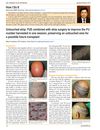
January 2012 in “International Society of Hair Restoration Surgery” Combining FUE and strip surgery increases hair harvested in one session and keeps options open for future transplants.
78 citations
,
November 2014 in “Functional Ecology” Heavily hunted wolves have higher stress and reproductive hormone levels.
 1 citations
,
September 2016 in “Indian Journal of Plastic Surgery”
1 citations
,
September 2016 in “Indian Journal of Plastic Surgery” The new hair follicle harvesting technique improves hair transplant results and makes the procedure quicker and easier to learn.
 13 citations
,
January 2013 in “Dermatologic Surgery”
13 citations
,
January 2013 in “Dermatologic Surgery” Experienced hair transplant surgeons suggest a limited number of hair follicles can be used for transplants, and recommend conservative methods to avoid scarring and depletion.
Since 1995, we only use Follicular Unit Transplantation for hair restoration and stopped using minigrafting/micrografting techniques.
October 2022 in “Hair Transplantation” Beard hair can be effectively used for hair transplants when scalp hair is insufficient.
 6 citations
,
July 2019 in “Journal of Cosmetic Dermatology”
6 citations
,
July 2019 in “Journal of Cosmetic Dermatology” Surgeons make more mistakes in hair transplant procedures as they get tired or do more work.
 6 citations
,
May 2004 in “Dermatologic Surgery”
6 citations
,
May 2004 in “Dermatologic Surgery” The article concludes that using the single-scar technique for hair transplants can result in a more attractive scar and that concerns about the technique can be managed with proper methods.
 October 2023 in “Facial Plastic Surgery”
 FUE hair restoration is generally safe but can have complications, especially if done by untrained individuals.
 1 citations
,
July 2023 in “Foods”
1 citations
,
July 2023 in “Foods” Mushrooms offer benefits for food, energy, and water security, and have potential uses in health and environmental applications.
 2 citations
,
May 2018 in “PubMed”
2 citations
,
May 2018 in “PubMed” Follicular Unit Extraction should be limited to preserve donor hair density and avoid side effects.
 March 2024 in “Jordan Journal of Biological Sciences”
 The Pamona community uses 21 types of mushrooms for food, medicine, and other needs, highlighting the importance of conserving these resources.
September 2008 in “Hair transplant forum international” Prioritizing cost over expertise in hair restoration can lower care quality.
July 2005 in “HortScience” Adding wool or hair waste to soil boosts crop yields and nutrient levels.
11 citations
,
January 2025 in “Marine Drugs” All extraction methods can produce similar quality fucoidan, but a holistic approach is needed for method selection.
 4 citations
,
January 2020 in “Journal of Cutaneous and Aesthetic Surgery”
4 citations
,
January 2020 in “Journal of Cutaneous and Aesthetic Surgery” Keloid scars can form after hair transplant surgery and should be prevented and treated early.
 July 2024 in “Deleted Journal”
 PRP improves FUE hair transplant results.
 3 citations
,
May 2019 in “Medical Hypotheses”
3 citations
,
May 2019 in “Medical Hypotheses” A new hair transplant method suggests freezing and storing dense hairs for future use to address severe hair loss.
 5 citations
,
September 2012 in “Dermatology Online Journal”
5 citations
,
September 2012 in “Dermatology Online Journal” Follicular Unit Extraction (FUE) hair transplant is less invasive, leaves no scars, and has quicker recovery times, but it's more time-consuming and challenging. Automation helps speed up the process and improve graft survival, reducing the need for traditional strip surgery.
 6 citations
,
March 1996 in “The American Journal of Cosmetic Surgery”
6 citations
,
March 1996 in “The American Journal of Cosmetic Surgery” A new hair transplant method creates one appealing scar, uses donor hair better, and speeds up surgery.
 13 citations
,
August 2016 in “Journal of Cosmetic Dermatology”
13 citations
,
August 2016 in “Journal of Cosmetic Dermatology” Using normal saline in vertical extraction for hair transplants reduces donor area injury more than acute extraction.
 19 citations
,
April 2010 in “Journal of Dermatological Treatment”
19 citations
,
April 2010 in “Journal of Dermatological Treatment” Partial hair follicle extraction can effectively double the number of hair follicles for transplants, with most surviving and growing normally after a year.