Search
for
Sort by
Research
30-60 / 105 results
research Bi-allelic Mutations in LSS, Encoding Lanosterol Synthase, Cause Autosomal-Recessive Hypotrichosis Simplex
Mutations in the LSS gene cause a rare type of hereditary hair loss.
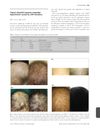
research Topical minoxidil improves congenital hypotrichosis caused by LIPH mutations
Applying minoxidil can help improve hair growth in people with hair loss caused by LIPH gene mutations.
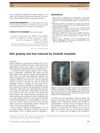
research Hair graying and loss induced by imatinib mesylate
A woman's hair turned gray and fell out after starting a cancer drug called imatinib mesylate.
research A new locus for hereditary hypotrichosis simplex maps to chromosome 13q12.12∼12.3 in a Chinese family
A new genetic area linked to a rare hair loss condition was found on chromosome 13 in a Chinese family.
research Novel Insights into TSC22D Family Genes in Metabolic Diseases and Cancer
TSC22D genes are key in metabolic diseases and cancer, offering potential as treatment targets.
research Identifying causal genes in alopecia areata using integrative analysis of differential expression and Mendelian randomization
Four genes are linked to alopecia areata, with two increasing risk and two offering protection.

research Bioinformatic analysis of gene expression data reveals Src family protein tyrosine kinases as key players in androgenetic alopecia
Protein tyrosine kinases are key in male pattern baldness, affecting skin structure, hair growth, and immune responses.
research In Silico Characterization and Analysis of Clinically Significant Variants of Lipase-H (LIPH Gene) Protein Associated with Hypotrichosis
Three specific mutations in the LIPH gene can cause hair loss by damaging the protein's structure and function.
research The biology of hair diversity
Hair diversity is influenced by complex genetics and environmental factors, requiring more research for practical solutions.

research Genetic Hair Disorders: A Review
The conclusion is that genetic testing is important for diagnosing and treating various genetic hair disorders.
research Prognosis and Management of Congenital Hair Shaft Disorders without Fragility—Part II
Some congenital hair disorders improve with age and can be managed with treatments like minoxidil, retinoids, supplements, and gentle hair care, but there's no cure.

research Global expression profile and global genome methylation signatures in male patients with androgenetic alopecia
Differences in gene expression and methylation patterns found in AGA patients suggest potential targets for future treatments.
research LPA-producing enzyme PA-PLA1α regulates hair follicle development by modulating EGFR signalling
The enzyme PA-PLA1α is important for proper hair follicle development.

research A Homozygous Missense Variant in K25 Underlying Overlapping Phenotype with Woolly Hair and Dental Anomalies
A specific mutation in the K25 gene causes a rare genetic disorder with curly hair at birth and later hair loss, along with dental issues.
research Faculty Opinions recommendation of Autosomal-dominant woolly hair resulting from disruption of keratin 74 (KRT74), a potential determinant of human hair texture.
A mutation in the KRT74 gene causes woolly hair by affecting hair texture.
research Homozygous missense mutation in theLIPHgene causing autosomal recessive hypotrichosis simplex in a Chinese patient
A specific gene mutation causes a rare hair loss condition in a Chinese patient.
research A review of genotrichoses and hair pathology associated with inherited skin diseases
Next-generation sequencing greatly improves understanding and treatment of genetic hair disorders.
research Alopezien und Hypotrichosen im Kindesalter
Genetic testing can identify causes of rare hair loss disorders in children, but no treatments exist.

research Complete defect in PA-PLA1α secretion function leading to autosomal recessive woolly hair and hypotrichosis: insights from a novel compound heterozygous LIPH variant study in a Chinese pedigree
A new genetic variant in the LIPH gene causes hair growth issues in a Chinese patient.
research Hair Follicular Expression and Function of Group X Secreted Phospholipase A2 in Mouse Skin
sPLA2-X is crucial for normal hair growth and follicle health.

research APCDD1 is a novel Wnt inhibitor mutated in hereditary hypotrichosis simplex
A gene called APCDD1, which controls hair growth, is found to be faulty in a type of hair loss called hereditary hypotrichosis simplex.
research Mutations in SNRPE, which Encodes a Core Protein of the Spliceosome, Cause Autosomal-Dominant Hypotrichosis Simplex
Mutations in the SNRPE gene cause hereditary hair loss.
research Mutations in SREBF1, Encoding Sterol Regulatory Element Binding Transcription Factor 1, Cause Autosomal-Dominant IFAP Syndrome
Changes in the SREBF1 gene cause a rare genetic skin and hair disorder.
research Prevalent founder mutation c.736T>A of LIPH in autosomal recessive woolly hair of Japanese leads to variable severity of hypotrichosis in adulthood
A specific gene mutation in Japanese people can cause varying degrees of hair thinning in adulthood.
research Development of Woolly Hair and Hairlessness in a CRISPR−Engineered Mutant Mouse Model with KRT71 Mutations
Researchers made a mouse model with curly hair and hair loss by editing a gene.
research Autosomal-Dominant Woolly Hair Resulting from Disruption of Keratin 74 (KRT74), a Potential Determinant of Human Hair Texture
A mutation in the KRT74 gene causes tightly curled hair.
research Claves diagnósticas en displasias pilosas II
Hair shaft disorders are diagnosed through examination and history, with general care and some treatments offering improvement.
research [Translated article] Keys to the Diagnosis of Hair Shaft Disorders: Part II
Hair shaft disorders, often due to genetics or environment, lack specific treatments but can be managed with gentle hair care and may improve with age or topical treatments.
research Faculty Opinions recommendation of Autosomal-dominant woolly hair resulting from disruption of keratin 74 (KRT74), a potential determinant of human hair texture.
A mutation in the KRT74 gene causes woolly hair by affecting hair texture.