15 citations
,
June 2023 in “Molecules” Agarose/fucoidan hydrogels may help treat diabetes by supporting pancreatic cell growth.
8 citations
,
October 2022 in “International Journal of Molecular Sciences” The hydrogels improved healing in deep second-degree burns.
 8 citations
,
June 2022 in “International Journal of Molecular Sciences”
8 citations
,
June 2022 in “International Journal of Molecular Sciences” Tiny particles called extracellular vesicles show promise for skin improvement and anti-aging in facial care but face challenges like low production and lack of research.
6 citations
,
March 2024 in “Saudi Pharmaceutical Journal” The new delivery system could improve pain and inflammation relief in gout.
 November 2023 in “The journal of investigative dermatology/Journal of investigative dermatology”
 Skin cells and certain hair follicle areas produce hemoglobin, which may help protect against oxidative stress like UV damage.
July 2024 in “Journal of Investigative Dermatology” A KLK5 inhibitor effectively improved skin symptoms in a mouse model of Netherton Syndrome.
 4 citations
,
August 2013 in “Case reports in dermatology”
4 citations
,
August 2013 in “Case reports in dermatology” A patient with total hair loss developed vitiligo after using a treatment called DCP.
September 2023 in “Journal of the American Academy of Dermatology” Oral difelikefalin significantly reduces itch in notalgia paresthetica.
January 2018 in “Refubium (Universitätsbibliothek der Freien Universität Berlin)” New nanocarriers were developed for safer, targeted drug delivery and diagnostics, showing promise for future medical use.
July 2024 in “International Journal of Molecular Sciences” The inhibitor DPP can promote hair growth.
 1 citations
,
January 2025 in “Frontiers in Oncology”
1 citations
,
January 2025 in “Frontiers in Oncology” REV7 is crucial for genome stability and cancer treatment, making it a potential target for therapy.
December 2007 in “대한피부과학회지” The treatment increased total hair count but wasn't significantly better than placebo.
11 citations
,
January 2020 in “Engineered science”  6 citations
,
February 2023 in “Journal of nanobiotechnology”
6 citations
,
February 2023 in “Journal of nanobiotechnology” The new anti-acne treatment HA-P5 effectively reduces acne by targeting two key receptors and avoids an enzyme that can hinder treatment.
 11 citations
,
December 2010 in “Journal of Inclusion Phenomena and Macrocyclic Chemistry”
11 citations
,
December 2010 in “Journal of Inclusion Phenomena and Macrocyclic Chemistry” Finasteride's solubility and bioavailability improved by forming solid dispersions and inclusion complexes.
 19 citations
,
July 2006 in “Acta crystallographica”
19 citations
,
July 2006 in “Acta crystallographica” Errors found in identifying furosemide and finasteride polymorphs due to incomplete data.
52 citations
,
May 2011 in “Journal of Neuroendocrinology” PEA boosts allopregnanolone production and reduces oxidative stress in brain cells.
 April 2019 in “Journal of Investigative Dermatology”
 DPP4-positive fibroblasts play a major role in producing proteins that lead to skin fibrosis.
3 citations
,
October 2025 in “Cancer” PROTACs offer a new, precise way to treat cancer by breaking down harmful proteins.
A new compound from Royoporus badius activates immune cells and induces inflammatory responses.
1 citations
,
February 2023 in “Russian Journal of Bioorganic Chemistry” The new compound may be a safer alternative to finasteride for prostate protection.
 June 2010 in “Journal of Chemical Crystallography”
 The compound was successfully made and shows potential for treating prostate cancer.
8 citations
,
January 2023 in “Journal of Research in Pharmacy” Compounds from turmeric and bitter show strong potential as antiviral agents against the influenza A virus.
 January 2020 in “Nihon Yakuri Gakkai nenkai yoshishu”
 Reducing 5α-reductase activity helps endometrial cells differentiate, aiding pregnancy.
14 citations
,
August 2015 in “Endocrinology” The antibody 005-C04 blocks prolactin receptors, causing reversible infertility, impaired lactation, and hair regrowth in female mice.
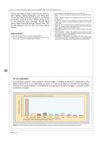
The document corrects a mistake by stating that pimecrolimus, not tacrolimus, is the drug that concentrates in the skin.
16 citations
,
April 2000 in “Contact dermatitis” A man developed severe skin reactions after using a treatment for hair loss.
2 citations
,
January 1968 in “PubMed” Sulfur-containing radioprotectors can protect hair from X-ray damage if given before exposure but worsen damage if given after.
July 2024 in “Journal of Investigative Dermatology” A new test helps find drugs to treat head and neck cancer by targeting c-Rel.
Targeting the PGI2 pathway may help heal diabetic foot ulcers.