 11 citations
,
September 2012 in “The journal of investigative dermatology/Journal of investigative dermatology”
11 citations
,
September 2012 in “The journal of investigative dermatology/Journal of investigative dermatology” A mutation in the KRT71 gene causes a hair disorder by disrupting hair follicle structure and texture.
 17 citations
,
October 2006 in “Molecular and Cellular Endocrinology”
17 citations
,
October 2006 in “Molecular and Cellular Endocrinology” The L457(3.43)R mutation in the human lutropin receptor causes increased activity and hormone insensitivity, leading to precocious puberty.
26 citations
,
September 2001 in “Journal of Investigative Dermatology” BSSP may help skin tumors grow and could be a marker or target for skin cancer treatment.
 10 citations
,
November 2017 in “Journal of Investigative Dermatology”
10 citations
,
November 2017 in “Journal of Investigative Dermatology” A mutation in the FAM83G gene is linked to skin and hair abnormalities in two related individuals.
380 citations
,
March 2000 in “Proceedings of the National Academy of Sciences” Overexpressing GLI-1 in mice skin can cause tumors like human basal cell carcinomas.
333 citations
,
March 2000 in “Proceedings of the National Academy of Sciences” Overexpressing GLI-1 in mice skin can cause tumors like human basal cell carcinomas.
September 2023 in “Journal of the American Academy of Dermatology” BAP1 mutations are rare in pediatric melanocytic tumors and may develop later in life.
11 citations
,
November 2015 in “Carcinogenesis” Deleting TNFα gene reduces skin cancer risk in certain mice.
 March 2022 in “Folia Medica Indonesiana”
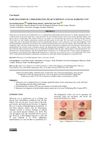
 The lump on a woman's scalp was a rare, potentially cancerous tumor from the hair follicle, not a common cyst.

Inhibiting AP-1 changes skin tumor types and affects tumor cell identity.
18 citations
,
January 2018 in “BMC dermatology” A new mutation in the PLEC gene causes a rare condition with skin blistering, muscle weakness, and hair loss.
 95 citations
,
February 2019 in “The New England Journal of Medicine”
95 citations
,
February 2019 in “The New England Journal of Medicine” Mutations in the PADI3 gene are linked to a higher risk of scarring hair loss in women of African descent.
138 citations
,
April 2003 in “Carcinogenesis” 2-Methoxyestradiol causes cancer cell death by activating specific pathways, but androgens can block this effect.
January 2019 in “DSpace@MIT (Massachusetts Institute of Technology)” Higher PHGDH levels cause unusual melanin buildup in hair follicles.
 66 citations
,
December 2013 in “Nature Cell Biology”
66 citations
,
December 2013 in “Nature Cell Biology” Inactive hair follicle stem cells help prevent skin cancer.
November 2025 in “Journal of Investigative Dermatology” A new genetic mutation causing Xeroderma Pigmentosum was found in an 8-year-old girl, affecting her DNA repair.
3 citations
,
July 2015 in “Biotechnic & histochemistry” Bim and Puma proteins are found in developing mouse hair follicles and are involved in more than just cell death.

Inhibiting AP-1 changes skin tumor types and affects tumor cell identity.
48 citations
,
April 2008 in “Human Molecular Genetics” Progerin affects cell shape but not hair or skin in mice.
40 citations
,
December 2010 in “Human Genetics” 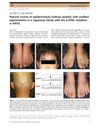 3 citations
,
January 2019 in “Journal of Dermatology”
3 citations
,
January 2019 in “Journal of Dermatology” The p.P25L mutation in the KRT5 gene causes a rare skin condition that worsens over time and may lead to hair loss starting in young adulthood.
22 citations
,
May 2007 in “Molecular Biotechnology” 11 citations
,
February 2018 in “Oncotarget” Lower SMAD2/3 activation predicts more severe skin cancer.
2 citations
,
June 2013 in “Journal of Clinical Pathology” The LMNA mutation affects skin structure even in asymptomatic carriers.
 November 2023 in “The journal of investigative dermatology/Journal of investigative dermatology”
 Removing MCPIP1 from myeloid cells in mice leads to hair loss and prevents skin tumors but causes pigmented spots.
30 citations
,
June 1993 in “The Journal of Cell Biology” The oncoprotein causes abnormal hair growth without increasing skin cancer risk.
28 citations
,
January 2005 in “Photochemistry and Photobiology” Protein kinase C epsilon may increase skin cancer risk by affecting nearby cells.
 September 2020 in “Acta Scientific Cancer Biology”
 Personalized treatment based on detailed tumor analysis successfully managed and reduced the patient's aggressive hair follicle cancer.
3 citations
,
April 2012 in “Cancer research” Mouse skin cancer progression involves a unique group of cells marked by ABCG2 and MTS24.
15 citations
,
March 2021 in “EMBO Reports” PRSS35 enzyme may help start skin tumors and could be a target for cancer treatment.