 2 citations
,
December 2020 in “Endocrinology, diabetes & metabolism case reports”
2 citations
,
December 2020 in “Endocrinology, diabetes & metabolism case reports” A man with hypoparathyroidism had other health issues that led to a diagnosis of a rare autoimmune disorder, APS-1.
109 citations
,
April 1997 in “Journal of Lipid Research” Linoleate deficiency in rats reduces growth and n-6 polyunsaturate accumulation, causing mild symptoms.
30 citations
,
July 2009 in “Experimental and clinical endocrinology & diabetes” Cyproterone acetate effectively treats sexual disorders by reducing sexual functions and is generally well-tolerated.
17 citations
,
April 1997 in “American Journal of Dermatopathology” PC-associated alopecia has unique microscopic features.
7 citations
,
January 2015 in “PubMed” Osteopontin may play a role in alopecia areata, but its levels don't predict treatment success.
 87 citations
,
July 2018 in “Biochimica et Biophysica Acta (BBA) - Molecular Cell Research”
87 citations
,
July 2018 in “Biochimica et Biophysica Acta (BBA) - Molecular Cell Research” Mice studies show that Protein Phosphatase 2A is crucial for cell growth, development, and disease prevention.
 25 citations
,
October 2015 in “Dermatology”
25 citations
,
October 2015 in “Dermatology” Dapsone improved pustular psoriasis in patients who didn't respond to other treatments and is considered a well-tolerated option.
 9 citations
,
May 2001 in “Journal of the American Veterinary Medical Association”
9 citations
,
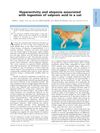
May 2001 in “Journal of the American Veterinary Medical Association” A cat's hyperactivity and hair loss were caused by eating valproic acid but improved after stopping access to the drug.
12 citations
,
February 1986 in “PubMed” Injecting newborn mice with a niacin blocker caused skin, gut, and brain damage similar to human pellagra.
 2 citations
,
August 2023 in “Ecotoxicology and environmental safety”
2 citations
,
August 2023 in “Ecotoxicology and environmental safety” Vitamin A helps rabbit skin cells grow and survive heat stress.
16 citations
,
November 2008 in “Journal of the American Academy of Dermatology” Consider necrolytic acral erythema in similar cases and treat with oral zinc sulfate.
 June 2023 in “International Journal of Pharmaceuticals Nutraceuticals and Cosmetic Science”
 New information shows Valproate may protect the brain and reduce breathing failure risk but can cause liver damage and other side effects, with genetics affecting dosage needs.
 184 citations
,
August 1983 in “The journal of pediatrics/The Journal of pediatrics”
184 citations
,
August 1983 in “The journal of pediatrics/The Journal of pediatrics” Biotinidase deficiency has various symptoms and can be treated with biotin supplements.
 34 citations
,
August 2002 in “British Journal of Dermatology”
34 citations
,
August 2002 in “British Journal of Dermatology” ALA-PDT is effective and safe for chronic X-ray dermatitis, providing complete or partial remission.
20 citations
,
February 2017 in “European journal of pharmaceutical sciences” The MPA-ISO cocrystal improved solubility and dissolution rate, while the others did not.
2 citations
,
May 2024 in “International Journal of Medical Arts” Diphenylcyclopropenone (DPCP) is more effective than anthralin for treating resistant alopecia areata.
 6 citations
,
August 2020 in “Dermatology and Therapy”
6 citations
,
August 2020 in “Dermatology and Therapy” People with Alopecia Areata often have lower vitamin D levels, and vitamin D supplements might help treat it.
3 citations
,
January 2007 in “Korean Journal of Pediatrics” Zinc supplements can help skin issues even if blood zinc levels are normal.
 6 citations
,
August 1989 in “European journal of pediatrics”
6 citations
,
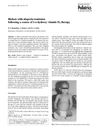
August 1989 in “European journal of pediatrics” Child with rickets improved with a specific vitamin D therapy, but alopecia did not change.
 1 citations
,
May 2017 in “Journal of The American Academy of Dermatology”
1 citations
,
May 2017 in “Journal of The American Academy of Dermatology” A woman's hair grew back after stopping acitretin for psoriasis and getting steroid treatment, and low vitamin D might be linked to alopecia severity.
January 2000 in “대한피부과학회지” Preventing zinc deficiency is crucial, especially in bowel disease and chronic malabsorption, with recommended skin checks and zinc supplements.
 2 citations
,
July 1982 in “British Journal of Dermatology”
2 citations
,
July 1982 in “British Journal of Dermatology” Retinol acetate can reduce the harmful effects of the drug benoxaprofen on white blood cells.

Not having the gene PLAAT3 leads to fat loss, high insulin resistance, and abnormal fat levels in the blood due to a disruption in fat cell development and function.
96 citations
,
August 1995 in “Bone” Vitamin D3 is important for bone health and may help treat various diseases beyond bone-related conditions.
28 citations
,
April 2017 in “Journal of cosmetic dermatology” Low vitamin D can worsen pediatric alopecia areata.
50 citations
,
December 2017 in “Nanoscale” Polymeric micelle nanocarriers deliver adapalene more effectively to hair follicles than commercial products.
2 citations
,
June 1972 in “PubMed” 246 citations
,
April 1976 in “Annals of Surgery” Zinc is crucial in nutrition, and its deficiency can cause health issues like diarrhea and hair loss, which improve with zinc therapy.
38 citations
,
June 2015 in “PubMed” Calcipotriol cream can effectively and safely treat mild-to-moderate patchy hair loss.
101 citations
,
August 2008 in “Mayo Clinic Proceedings” PAD is common but often missed, needing lifestyle changes and medication for better outcomes.