 12 citations
,
January 2005 in “Pediatric Dermatology”
12 citations
,
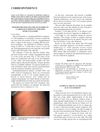
January 2005 in “Pediatric Dermatology” Fox Fordyce disease might be more common in prepubertal girls than thought and can be managed with treatment.
 November 2022 in “Journal of the Endocrine Society”
 A rare ovarian tumor caused high testosterone and excess hair in a woman, which was resolved after tumor removal.
157 citations
,
October 2002 in “Journal of Cutaneous Pathology” p63 may influence skin cancer development and cell differentiation.
 4 citations
,
July 2014 in “International Journal of Dermatology”
4 citations
,
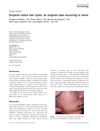
July 2014 in “International Journal of Dermatology” Twins had rare skin cysts likely due to genetics.
1 citations
,
March 1991 in “PubMed” Naevoid bundle hair is an unusual hair growth pattern where multiple hairs fuse together.
 1 citations
,
March 2010 in “Internal medicine journal”
1 citations
,
March 2010 in “Internal medicine journal” A 72-year-old man with sudden taste issues and hair growth was diagnosed with a severe stomach cancer and died within 5 months.
9 citations
,
May 2013 in “European Journal of Dermatology” Dermoscopy can non-invasively detect eruptive vellus hair cysts on the labia majora.
August 2000 in “Chinese Journal of Dermatology” Dermal papilla cells can successfully grow and maintain hair follicles.
January 2011 in “The Chinese Journal of Dermatovenereology” DPC-hTERT cells can create hair follicle-like structures.
 2 citations
,
January 2022 in “Journal of Investigative Dermatology”
2 citations
,
January 2022 in “Journal of Investigative Dermatology” Hedgehog signaling in skin cells is crucial for hair growth and skin healing, but needs to be balanced to avoid harmful effects like scarring and cancer.
 1 citations
,
February 2009 in “Clinical and Experimental Dermatology”
1 citations
,
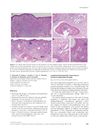
February 2009 in “Clinical and Experimental Dermatology” Hormone-replacement therapy improved a woman's skin condition known as lymphomatoid papulosis.
 February 2026 in “International Journal of Molecular Sciences”
 Muscarinic acetylcholine receptors in skin cells help regulate and promote hair growth.
44 citations
,
January 1999 in “Dermatology” Nevus comedonicus is a rare skin condition with grouped open pores, sometimes linked to other body issues.
 7 citations
,
June 1967 in “Journal of Investigative Dermatology”
7 citations
,
June 1967 in “Journal of Investigative Dermatology” Plucking hairs in a certain way can result in intact hair roots, not related to baldness.
 89 citations
,
September 2010 in “Annual Review of Genomics and Human Genetics”
89 citations
,
September 2010 in “Annual Review of Genomics and Human Genetics” The document concludes that understanding the genes and pathways involved in hair growth is crucial for developing treatments for hair diseases.
2 citations
,
August 1993 in “Archives of Dermatology” A 39-year-old woman developed uncombable hair syndrome after taking oral contraceptives.
19 citations
,
June 2020 in “BMC Cancer” Trichilemmal carcinoma shares genetic changes with other skin cancers, suggesting similar causes and potential treatments.
 51 citations
,
August 2013 in “Journal of Investigative Dermatology”
51 citations
,
August 2013 in “Journal of Investigative Dermatology” Human skin cells can create new hair follicles when transplanted into mice.
35 citations
,
April 1998 in “PubMed” Activated erbB-2 in mice skin causes severe skin and hair abnormalities.
11 citations
,
September 1990 in “Clinical Endocrinology” Girls with prepubertal simple hypertrichosis have higher dihydrotestosterone (DHT) levels.
17 citations
,
June 1997 in “Baillière's clinical obstetrics and gynaecology” Scientists now better understand how human hair growth is controlled, including the roles of specific genes and proteins.
October 1995 in “Pediatric Research” 
Inhibiting AP-1 changes skin tumor types and affects tumor cell identity.
9 citations
,
January 2002 in “Dermatology” Reduced CD44 expression may cause abnormal hyaluronate buildup in cutaneous myxoma.
 April 2018 in “Journal of Investigative Dermatology”
 The conclusion introduces a new way to classify skin cysts using their shape and genetic markers.
 3 citations
,
January 1988 in “PubMed”
3 citations
,
January 1988 in “PubMed” The review found that basal cell carcinomas on the scalp are not more aggressive than those in other locations.
87 citations
,
January 1999 in “British Journal of Dermatology” Trichoblastic fibroma and basal cell carcinoma are similar but different from trichoepithelioma.
June 2021 in “The Journal of Family Practice” A 69-year-old woman has a fast-growing hand lesion that didn't improve with salicylic acid.
January 2022 in “Optometric clinical practice” A woman had a non-cancerous skin tumor on her eyelid removed successfully.
4 citations
,
February 2018 in “Annales de Dermatologie et de Vénéréologie” Onychomatricome is a benign nail tumor with specific dermoscopic features that help distinguish it from cancer.